6 Best Ice Fishing Transducer Mounts For Shelters Tested
We tested 6 top ice fishing transducer mounts for shelters. Discover which designs offer the best stability, ease of use, and signal clarity for your setup.
There is nothing quite like the silence of a frozen lake, broken only by the sudden flash of a sonar screen indicating a trophy fish moving below your shelter. Getting that transducer perfectly positioned is the difference between a frustrating day of empty lines and a bucket full of perch. This guide breaks down the best mounting solutions to ensure your gear stays locked in place all winter long.
Disclosure: As an Amazon Associate, this site earns from qualifying purchases. Thank you!
Understanding Ice Fishing Transducer Mount Types
When fishing from inside a shelter, your transducer mount needs to be more than just a holder; it must be a stable platform that keeps your cone angle centered directly beneath your ice hole. We generally see three primary types: float-style mounts, rigid arm mounts, and specialized suction or bracket systems. Each serves a specific purpose depending on whether you are hole-hopping or setting up a base camp for the day.
Float-style mounts are the most common, utilizing a foam collar to keep the transducer just below the water’s surface. Rigid arms, on the other hand, provide a fixed position that is less prone to drifting if there is a slight current under the ice. Understanding your specific fishing style is the first step toward selecting a mount that won’t let you down when the temperature drops.
Garmin Striker Vivid 5cv Portable Mount System


The Garmin Striker Vivid 5cv system is the gold standard for anglers who prioritize high-resolution imaging and portability. This mount is integrated into a rugged carrying case that doubles as a base, making it incredibly stable on the uneven floor of a pop-up shelter. It’s perfect for the tech-heavy angler who doesn’t want to fumble with loose wires or unstable brackets.
If you are already invested in the Garmin ecosystem, this is a no-brainer. The mount holds the transducer at the perfect depth with minimal effort, allowing you to focus on the screen rather than adjusting your gear. It is a robust, reliable choice for anyone who needs a "grab-and-go" solution that stands up to the rigors of a full winter season.
Humminbird ICE PTC UN 2 Portable Shuttle Mount

Humminbird’s PTC UN 2 shuttle is a legendary piece of gear that has earned its reputation through sheer durability. This mount is designed to house your unit and transducer arm in a single, compact footprint, which is vital when you are sharing a small shelter with a buddy. It keeps everything organized and prevents the dreaded "tangle" of cables that can ruin a fishing trip.
This mount is ideal for the angler who appreciates a clean, clutter-free workspace. While it is slightly heavier than some minimalist options, the stability it provides on the ice is unmatched. If you want a mount that feels like a permanent fixture despite being portable, this is the one to buy.
Vexilar Pro-View Ice Transducer Suction Mount

The Vexilar Pro-View suction mount is a clever solution for those who occasionally fish outside of a shelter or need to attach their transducer to the side of a bucket or cooler. It utilizes a powerful suction mechanism to lock onto smooth surfaces, providing a surprisingly rigid hold. It is a niche tool, but for specific setups, it is incredibly effective.
However, be aware that suction cups can lose their grip in extreme, fluctuating temperatures. This mount is best suited for anglers who move frequently and need a temporary, lightweight way to keep their transducer vertical. If you prioritize extreme portability over long-term, static stability, this is a solid addition to your kit.
MarCum Technologies Dual Beam Transducer Arm

MarCum has mastered the art of the transducer arm, and their dual-beam mount is a masterclass in functional design. It features an adjustable length that allows you to easily switch between shallow and deep water setups without removing the transducer from the hole. The arm locks firmly into place, ensuring your cone angle stays consistent even if you accidentally bump the mount.
This is the best choice for anglers who fish a variety of depths throughout the day. The build quality is exceptional, and it feels sturdy enough to last for years of hard use. If you want a mount that feels like an extension of your sonar unit, MarCum is the brand to trust.
Lowrance Portable Power Pack Transducer Mount

The Lowrance Portable Power Pack is designed for the angler who values simplicity and reliability above all else. The mount is straightforward, featuring a classic arm design that clips onto the power pack base with ease. It’s a "set it and forget it" system that works perfectly for those who aren’t interested in complex adjustments.
This mount is perfectly suited for beginners or those who prefer a minimalist approach to ice fishing. It isn’t the flashiest piece of equipment on the market, but it does exactly what it’s supposed to do every single time. If you want a dependable mount that won’t break the bank, look no further.
Aqua-Vu Multi-Vu Universal Transducer Bracket
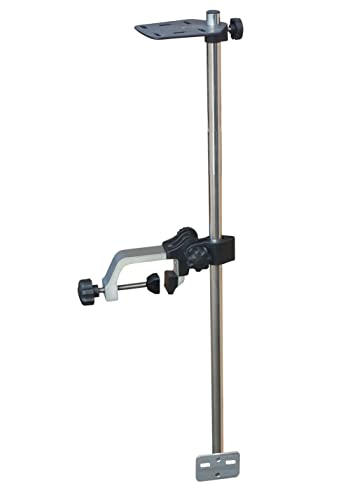
The Aqua-Vu Multi-Vu bracket is a versatile powerhouse designed for anglers who use underwater cameras alongside their sonar. This mount is unique because it allows you to combine your camera and transducer into a single, cohesive unit. It saves precious space in your hole and ensures that you can see exactly what your sonar is marking.
This is the ultimate choice for the angler who wants to maximize their situational awareness. While it requires a bit more setup time than a standard arm, the payoff in data is immense. If you are serious about seeing the fish you are targeting, this bracket is a game-changer.
Essential Tips for Mounting Transducers in Shelters
When setting up inside a shelter, always ensure your transducer cable is not resting against the edge of the ice hole. Friction from the ice can wear down the cable casing over time, leading to internal wire damage that is difficult to spot. Use a simple foam pad or a cable guide to keep the wire centered and protected.
Additionally, always check that your transducer is hanging perfectly level. Even a slight tilt can throw off your sonar readings, causing you to misinterpret the depth or the position of fish relative to your lure. A level transducer ensures your "cone" is pointing straight down, providing the most accurate representation of the water column.
Adjusting Transducer Depth for Optimal Accuracy
Finding the "sweet spot" for depth is critical for clear sonar returns. You want the transducer face to be fully submerged below the slush and ice, but not so deep that it becomes a target for a stray lure or a hooked fish. A good rule of thumb is to keep it just a few inches below the bottom of the ice.
If you are fishing in very shallow water, raising the transducer closer to the bottom of the ice can actually help reduce the "dead zone" at the top of the water column. Conversely, in deep water, keeping it slightly deeper can help maintain a more stable signal. Experiment with these adjustments during your first few minutes on the ice to find what works best for your specific conditions.
Maintaining Your Transducer Mounts for Winter Use
Winter gear takes a beating, and your transducer mounts are no exception. After every trip, take a moment to wipe down your arms and brackets to remove any slush or ice buildup. If left to freeze, this moisture can expand and crack plastic components, leading to premature failure of the locking mechanisms.
At the end of the season, inspect your cables for any nicks or kinks that may have occurred during transport. Store your mounts in a dry, room-temperature environment rather than leaving them in a cold garage. A little bit of preventative maintenance now will ensure your gear is ready to go the moment the first ice forms next year.
Investing in a quality transducer mount is one of the most practical upgrades you can make for your ice fishing setup. By choosing a mount that matches your specific fishing style and maintaining it with care, you eliminate equipment headaches and focus on what really matters: the bite. Get your gear dialed in, stay safe, and enjoy the unique rewards of a successful day on the hard water.