6 Best Durable Kayak Anchors For Windy Conditions
Tackle gusty waters with confidence. We review the 6 most durable kayak anchors designed to keep you stable and secure in even the windiest conditions.
There is nothing more frustrating than watching your perfect fishing hole drift away because a sudden gust of wind turned your kayak into a giant sail. Finding the right anchor system isn’t just about convenience; it is the difference between a productive day on the water and a constant, exhausting battle against the elements. These six durable anchors are engineered to keep you locked in place, regardless of what the weather decides to throw your way.
Disclosure: As an Amazon Associate, this site earns from qualifying purchases. Thank you!
Understanding Anchor Physics for Windy Waters
When anchoring a kayak in high wind, you are fighting two distinct forces: the surface wind pushing against the high profile of your boat and the subsurface current pulling at your hull. Most people assume a heavier anchor is always better, but physics dictates that the angle of pull is actually the most critical factor. If your anchor line is too short, the wind will lift the anchor off the bottom, causing it to skip along the lakebed rather than biting into it.
To achieve a true "hold," you need to create a horizontal pull rather than a vertical one. This is why using a length of anchor chain or a longer scope—the ratio of rope length to water depth—is essential. By keeping the anchor shank parallel to the bottom, the flukes or weight can dig in deep, effectively turning your kayak into a stable platform even in gusty conditions.
Choosing the Right Anchor Weight for Kayaks
A common misconception is that a heavier anchor is universally superior, but for kayaks, weight management is a delicate balance. A 3-pound anchor is generally sufficient for most calm conditions, but when the wind kicks up, you may need to bump up to 5 pounds or incorporate a specialized design that uses geometry rather than sheer mass. Adding too much weight makes your kayak sluggish and difficult to maneuver, especially when you are trying to stow the gear quickly.
Always consider the type of bottom you frequent when selecting your weight. Muddy or sandy bottoms often require more surface area on the anchor to prevent dragging, whereas rocky bottoms require a design that can hook into crevices. Don’t be afraid to carry a small amount of extra chain; it adds weight at the lowest point of your rig, which significantly improves the anchor’s ability to set firmly.
YakAttack ParkNPole: Best Shallow Water Anchor


If you spend your time stalking redfish in the shallows or navigating grassy flats, the YakAttack ParkNPole is a game-changer. This isn’t a traditional anchor; it’s a stake-out pole that you physically drive into the lakebed. It’s incredibly silent, which is vital if you are trying to remain stealthy, and it eliminates the tangled mess of ropes that usually comes with traditional anchoring.

Because it pins your kayak in place, you don’t have to worry about the "swing" that occurs when an anchor drags slightly in the wind. This is the perfect tool for the angler who wants to lock down in under four feet of water and stay there with absolute certainty. If you frequent shallow, soft-bottomed environments, this is the most reliable piece of gear you can own.
Grapnel Folding Anchor: Best for Rocky Bottoms
The classic grapnel folding anchor is a staple for a reason: its four-pronged design is specifically meant to snag onto rocks, ledges, and submerged debris. When you are fishing in areas with unpredictable, rocky terrain, the ability for one of these prongs to find a secure grip is unmatched. They are also incredibly compact, folding down into a small footprint that fits easily into a kayak hatch.
The trade-off is that they can sometimes get too stuck, so it is wise to rig them with a breakaway system. By attaching your rope to the bottom eyelet and using a zip tie to secure it to the top ring, you can force the anchor to release if it becomes wedged. This is the go-to anchor for rocky lakes and rivers where you need a reliable, aggressive bite.
Richter Anchor: Best for High-Wind Stability
The Richter anchor is a feat of engineering that relies on a unique, weight-forward design to set itself quickly. Unlike traditional grapnels, the Richter is shaped to roll onto its side and dig its flukes into the bottom as soon as tension is applied. It is exceptionally good at resetting itself if the wind shifts, which saves you from having to constantly adjust your position.
This anchor is the gold standard for kayakers who don’t want to mess around with multiple attempts to get a solid hold. It is slightly bulkier than a folding grapnel, but the peace of mind it provides in choppy, windy conditions is well worth the extra storage space. If you are tired of your anchor dragging every time the breeze picks up, the Richter is your best bet.
SandShark Pocket Anchor: Best for Sandy Shores
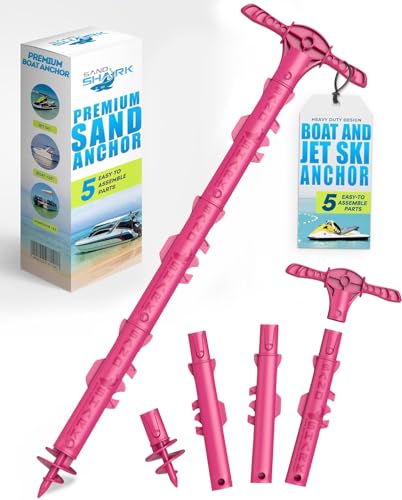
When you are dealing with sandy bottoms or loose silt, a traditional anchor often just slides across the surface. The SandShark Pocket Anchor uses a screw-in design that bites deep into the sand, creating a hold that is nearly impossible to dislodge. It is lightweight and easy to handle, making it a favorite for those who want to secure their kayak while they take a quick break on the beach.
It is specifically designed for sandy environments, so don’t expect it to perform well in rocky or heavily weeded areas. However, for its intended purpose, it is remarkably effective and incredibly easy to deploy. If your local waters consist primarily of sandbars and soft bottoms, this should be the primary anchor in your kit.
Bass Pro Shops Folding Anchor: Best Value Kit
Secure your small boat or dinghy with this durable, 3-1/2 lb folding grapnel anchor. Its galvanized steel construction resists corrosion, and the compact, foldable design allows for easy storage.

Sometimes you don’t need a specialized piece of equipment; you just need a reliable, all-in-one solution that gets the job done. The Bass Pro Shops Folding Anchor kit is a fantastic entry-level choice that includes the anchor, rope, and a storage bag. It’s a no-nonsense, functional setup that works well in a variety of bottom types, from mud to light gravel.
This kit is perfect for the casual paddler who wants to be prepared without spending a fortune. While it might not have the high-end engineering of a Richter or the specialized utility of a ParkNPole, it provides excellent value and durability for the price. If you are just starting your kayak journey, this kit provides everything you need to anchor safely.
Extreme Max BoatTector: Best Coated Grapnel
The Extreme Max BoatTector is a refined version of the classic grapnel, featuring a protective PVC coating. That coating is the hidden hero of this product; it prevents the anchor from scratching your kayak’s finish or making loud, metallic clanking noises against the hull. It maintains the same excellent holding power as a standard grapnel while offering a much more user-friendly experience.
The galvanized steel core ensures it has enough weight to sink quickly, while the coating provides a layer of protection that lasts for years. This is an excellent choice for anyone who takes pride in their gear and wants to avoid the scuffs and dings that come with uncoated metal. If you want a durable, quiet, and protective anchor, the BoatTector is the clear winner.
Essential Rigging Tips for Anchor Systems
Rigging your anchor correctly is just as important as the anchor itself. You should always use an anchor trolley system, which allows you to move your anchor point from the bow to the stern of your kayak. This gives you the ability to adjust your boat’s angle relative to the wind or current, ensuring you stay comfortable and stable throughout the day.
Never tie your anchor line directly to a fixed point on your kayak without a quick-release mechanism. In an emergency, you need to be able to ditch your anchor instantly to prevent your kayak from being pulled under by a strong current. A simple cleat or a quick-release float system can be the difference between a minor inconvenience and a serious safety hazard.
Safety Protocols for Anchoring in Currents
Anchoring in a current is significantly more dangerous than anchoring in still water, and it should be approached with extreme caution. Never anchor from the side of your kayak, as the force of the current can easily flip you over—this is known as "side-loading." Always anchor from the bow or stern to keep your hull pointed directly into the flow of the water.
Finally, always maintain a sharp knife within reach whenever you are anchored in a moving current. If your anchor becomes snagged and the current is strong, you may need to cut your line in seconds to regain control of your vessel. Stay vigilant, watch the weather, and never hesitate to pull your anchor if the conditions turn sour.
Mastering the art of anchoring turns a chaotic day on the water into a controlled and relaxing experience. By matching your anchor to the bottom type and respecting the physics of wind and current, you can confidently explore any body of water. Stay safe, keep your gear maintained, and enjoy the stability that comes with being perfectly locked in place.