
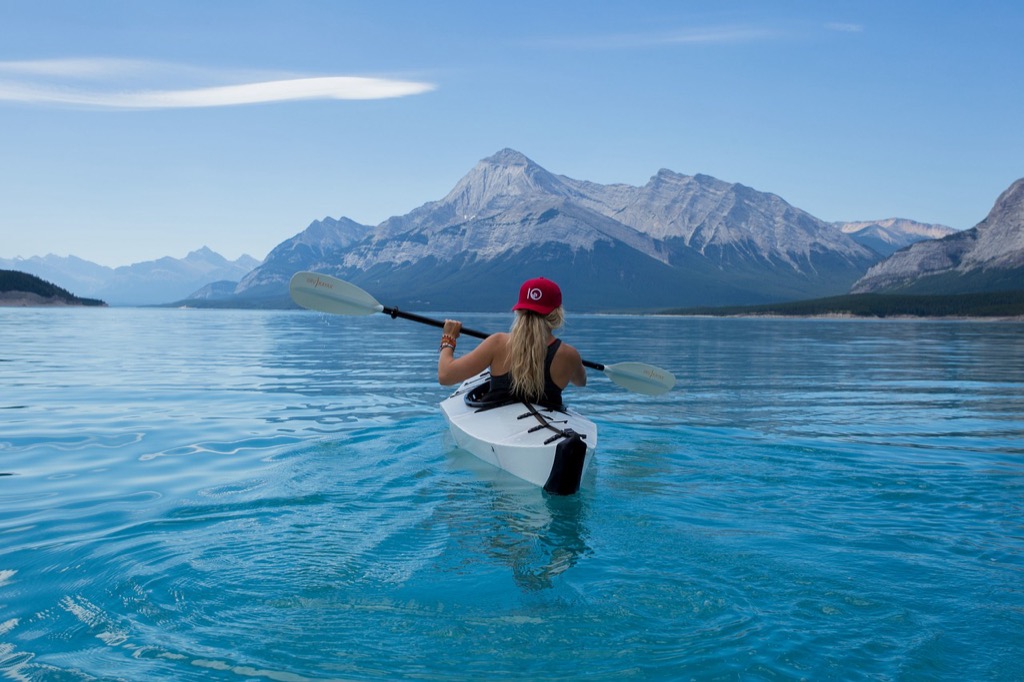
7 Ideas for Planning a Water Adventure Day Trip That Maximize Fun
Discover 7 thrilling water adventure ideas for your perfect day trip! From kayaking to rafting, get expert tips on gear, safety, budgeting & planning your aquatic escape.
Why it matters: Water adventures offer the perfect escape from routine while providing an adrenaline rush that’ll leave you refreshed and energized.
The big picture: From serene lake kayaking to thrilling whitewater rafting you’ve got countless options to create an unforgettable day on the water.
What’s ahead: We’ll break down seven proven water adventure ideas that transform an ordinary day into an extraordinary aquatic experience you’ll be talking about for weeks.
Disclosure: As an Amazon Associate, this site earns from qualifying purchases. Thank you!
Choose Your Perfect Water Adventure Destination
Your destination choice shapes everything from gear needs to safety considerations. The right location transforms a good day into an unforgettable water adventure.
Research Local Lakes and Rivers
Start with what’s closest to home – your local waterways often offer the most reliable conditions and lowest costs. Check state park websites for current water levels, boat launch fees, and seasonal restrictions before heading out. Many lakes provide perfect conditions for beginners while offering challenging areas for experienced adventurers.
Consider Ocean and Beach Options
Ocean adventures deliver unmatched excitement but require serious preparation and respect for changing conditions. Tide charts, weather forecasts, and local surf reports become essential reading. Saltwater activities like surfing, sea kayaking, and snorkeling offer incredible experiences when you understand marine safety fundamentals.
Evaluate Water Parks and Recreation Centers
Controlled environments eliminate weather uncertainty while providing guaranteed fun for mixed-skill groups. Modern water parks offer everything from lazy rivers to extreme slides, making them ideal for families or groups with varying comfort levels. Indoor facilities extend your season and provide backup options when natural waters aren’t cooperating.
Pack Essential Water Adventure Gear
Smart gear selection transforms your water adventure from risky to remarkable. You’ll need the right combination of safety equipment, waterproof storage, and activity-specific tools to handle whatever conditions you encounter.
Safety Equipment and Life Jackets
Coast Guard-approved life jackets aren’t optional—they’re your primary insurance policy on the water. Choose Type III vests for active paddling since they offer freedom of movement while maintaining flotation. Whistle attachments and bright colors help rescuers locate you quickly in emergencies.
Pack a first aid kit in a waterproof case and include emergency signaling devices like waterproof flashlights.
Waterproof Storage Solutions
Dry bags in multiple sizes keep your essentials protected from unexpected splashes and full submersion. Use 10-20 liter bags for electronics and clothing, while smaller 5-liter options work perfectly for snacks and keys. Double-bag your phone and wallet for extra protection.
Clear waterproof cases let you access your phone’s camera without removing it from protection.
Activity-Specific Equipment
Your chosen activity determines your gear load—kayaking requires paddles and spray skirts while snorkeling needs masks and fins. Research rental options at your destination to avoid hauling bulky equipment like paddleboards or wetsuits. Quality sunglasses with retention straps prevent costly losses in the water.
Pack backup gear for critical items like paddles or snorkel masks that could break or get lost.
Plan Your Water Activities Schedule
Smart timing transforms good water adventures into unforgettable experiences. Your body’s energy levels and natural water conditions shift throughout the day, so matching activities to these rhythms maximizes both enjoyment and safety.
Morning High-Energy Adventures
Wake up with adrenaline-pumping activities that leverage your peak energy levels and calmer morning water conditions. Wakeboarding, waterskiing, and jet skiing work best before 10 AM when winds are lighter and boat traffic is minimal.
Start with challenging activities like whitewater rafting or surfing lessons while your reflexes are sharp and your body is fresh for learning new skills.
Afternoon Relaxation Options
Shift to gentler activities as the sun peaks and your energy naturally dips around midday. Paddleboarding, lazy river tubing, and snorkeling offer perfect mid-day escapes without exhausting your reserves.
Take advantage of warmer water temperatures for swimming, floating, or beach volleyball when the sun has heated shallow areas to comfortable levels.
Evening Wind-Down Activities
End with peaceful water experiences that complement your body’s natural transition toward relaxation. Sunset kayaking, fishing, or quiet lake swimming provide serene closures to action-packed days.
Choose activities with minimal physical demands like floating on inflatables or gentle canoeing that let you process the day’s adventures while staying cool.
Prepare Safety Measures and Emergency Plans
Water adventures demand thorough safety preparation before you leave shore. Smart adventurers know that emergency readiness transforms potential disasters into manageable situations.
Check Weather Conditions and Water Alerts
Weather changes can turn calm waters into dangerous conditions within hours. Check local marine forecasts and water advisories 24 hours before departure and again morning-of for updated conditions.
Monitor wind speeds above 15 mph for small watercraft safety. Lightning warnings require immediate evacuation from all water activities regardless of your planned schedule.
Share Your Itinerary With Others
Always inform someone reliable about your exact water adventure plans and expected return time. Provide specific launch points, planned routes, and emergency contact numbers for local authorities.
Text or call your contact person when departing and returning. This simple step ensures rescue teams know where to search if you don’t return as scheduled.
Pack First Aid and Emergency Supplies
Water environments amplify minor injuries into serious emergencies without proper medical supplies. Pack waterproof first aid kits containing bandages, antiseptic, pain relievers, and any personal medications.
Include emergency signaling devices like whistles, flares, or waterproof flashlights for visibility. Store emergency supplies in easily accessible waterproof containers that won’t sink if dropped overboard.
Budget for Your Water Adventure Day Trip
Smart budgeting transforms your water adventure from a financial surprise into a well-planned experience. Setting realistic expectations for costs helps you enjoy every moment without wallet worries.
Calculate Transportation and Parking Costs
Transportation often becomes your biggest hidden expense on water adventure trips. Gas prices fluctuate, and popular water destinations charge $10-25 for parking during peak season.
Research your route ahead of time and factor in tolls, especially for coastal destinations. Consider carpooling with friends to split fuel costs and reduce the per-person transportation burden significantly.
Plan for Equipment Rentals and Activity Fees
Equipment rentals typically range from $20-50 per person for basic gear like kayaks or paddleboards. Activity fees at guided tours or water parks add another $25-75 to your day’s expenses.
Call rental locations directly to ask about group discounts or multi-hour packages. Many places offer better rates for full-day rentals compared to hourly pricing structures.
Budget for Food and Refreshments
Food costs escalate quickly at water destinations where concession stands charge premium prices. Plan $15-30 per person for meals and snacks if you’re buying on-site.
Pack your own cooler with sandwiches, fruits, and plenty of water to cut food expenses in half. Remember that staying hydrated during water activities requires more fluids than typical outdoor adventures.
Create Your Water Adventure Packing Checklist
Smart packing transforms your water adventure from a stress-inducing scramble into a smooth, enjoyable experience. Your checklist ensures you’re prepared for changing conditions while keeping your gear manageable and accessible.
Sun Protection and Weather Gear
Sunscreen becomes your most critical defense during extended water exposure. Pack SPF 30+ waterproof sunscreen and reapply every two hours, even on cloudy days since water reflects UV rays intensely.
Wide-brimmed hats with chin straps prevent loss during windy conditions. Lightweight rain jackets pack small but provide essential protection when afternoon storms develop unexpectedly over water.
Comfortable Water-Appropriate Clothing
Quick-dry fabrics outperform cotton in every water adventure scenario. Synthetic materials or merino wool maintain comfort when wet and dry rapidly between activities.
Water shoes with grippy soles prevent slips on wet rocks and protect feet from sharp objects. Pack an extra shirt and shorts in waterproof storage since staying in wet clothes reduces body temperature quickly.
Snacks and Hydration Supplies
Water activities dehydrate you faster than land-based adventures due to sun exposure and physical exertion. Pack twice the water you think you’ll need, aiming for one liter per person per four hours.
Energy-dense snacks like trail mix, granola bars, and fruit maintain blood sugar during demanding activities. Avoid salty snacks that increase thirst, and pack everything in waterproof containers to prevent soggy disappointment.
Maximize Your Day With Smart Timing Tips
Timing transforms an average water adventure into an extraordinary experience. Strategic planning around crowds, weather, and activity transitions ensures you’ll spend more time enjoying the water and less time dealing with frustrations.
Beat the Crowds With Early Arrival
Arriving at popular water destinations by 8 AM puts you ahead of 90% of day-trippers. You’ll secure prime parking spots, claim the best beach areas, and enjoy calmer waters before afternoon winds pick up. Early morning also offers the most reliable equipment availability at rental shops.
Plan Around Optimal Weather Windows
Morning hours typically provide the calmest conditions for paddling and swimming activities. Afternoon thunderstorms peak between 2-4 PM in many regions, making late morning your sweet spot for water adventures. Check hourly forecasts rather than daily summaries to identify the best 4-6 hour window.
Allow Buffer Time Between Activities
Schedule 30-45 minutes between water activities to account for gear changes, travel, and unexpected delays. This buffer prevents rushed transitions that often lead to forgotten equipment or skipped safety checks. You’ll also have time to grab snacks and stay properly hydrated between adventures.
Conclusion
Your perfect water adventure day trip awaits with proper planning and preparation. By selecting the right destination considering your group’s skill level and implementing smart budgeting strategies you’ll create an unforgettable experience without breaking the bank.
Remember that timing and safety preparation make all the difference between a good day and an exceptional one. Pack your essentials arrive early and stay flexible with weather conditions to maximize your time on the water.
Whether you choose a peaceful lake paddle or an adrenaline-pumping rapids run these seven planning strategies will help you craft the ideal aquatic escape. Now it’s time to grab your gear gather your crew and dive into your next water adventure!
Frequently Asked Questions
What types of water adventures are available for beginners?
Beginners can enjoy peaceful lake kayaking, calm river tubing, paddleboarding on still waters, or visiting controlled water parks. These activities offer gentle introductions to water sports with minimal risk. Local lakes and rivers provide reliable conditions, while water parks offer supervised environments perfect for building confidence before progressing to more challenging adventures.
How do I choose the right water adventure destination?
Consider your skill level, budget, and safety requirements. Local lakes and rivers offer cost-effective options with predictable conditions, perfect for beginners. Ocean adventures provide more excitement but require careful preparation and respect for changing conditions. Water parks are ideal for mixed-skill groups, offering controlled environments that guarantee fun for everyone.
What essential gear do I need for water adventures?
Essential gear includes Coast Guard-approved life jackets for safety, waterproof dry bags to protect valuables, and activity-specific equipment. Research rental options to avoid carrying bulky gear. Always pack backup items for critical equipment and ensure you have proper sun protection, water shoes, and quick-dry clothing for comfort and safety.
How should I plan my water activities schedule?
Align activities with your natural energy levels and daily water conditions. Start with high-energy activities in the morning when conditions are typically calmer. Allow buffer time between activities for safety checks and transitions. Check weather conditions and water alerts before departing, and always share your itinerary with someone reliable.
What safety preparations are necessary before water adventures?
Check weather conditions and water alerts, monitor wind speeds, and inform someone of your plans. Pack a waterproof first aid kit and signaling devices for emergencies. Ensure all participants have proper flotation devices and understand basic water safety. Research local hazards and emergency contact information for your chosen destination.
How much should I budget for a water adventure day trip?
Budget for transportation, parking, equipment rentals, activity fees, and food. Research routes and consider carpooling to reduce costs. Contact rental companies directly for group discounts. Pack a cooler with meals and snacks to save money, but ensure you bring twice the expected water intake for proper hydration throughout the day.
What should I pack for a water adventure?
Pack SPF 30+ waterproof sunscreen, wide-brimmed hat, quick-dry clothing, and water shoes. Bring lightweight rain jacket for weather changes, waterproof dry bags for essentials, and adequate hydration supplies. Include energy-dense snacks while avoiding salty foods. Don’t forget first aid supplies and emergency signaling devices for safety.
When is the best time to start water adventures?
Arrive early at popular destinations to secure prime parking and enjoy calmer water conditions. Morning hours typically offer optimal weather windows with less wind and better visibility. Starting early also helps you beat crowds and allows more time for multiple activities while maintaining proper safety margins throughout your adventure.

