

6 Best Hot Tub Insulation Panels For Cold Climates Tested
Struggling to keep your spa warm? We tested 6 top hot tub insulation panels to help you slash energy costs and maintain heat in harsh, freezing climates today.
There is nothing quite like the contrast of a sub-zero winter night while submerged in the steaming, therapeutic waters of your own backyard hot tub. However, without proper insulation, your heater will work overtime, turning your relaxing soak into an expensive utility nightmare. Investing in high-quality insulation panels is the smartest move you can make to keep the heat in and the operational costs down.
Disclosure: As an Amazon Associate, this site earns from qualifying purchases. Thank you!
Why Quality Insulation Matters for Cold Climates
In freezing temperatures, the heat differential between your 104°F water and the surrounding air creates a massive energy drain. Standard factory insulation often degrades over time, leaving gaps that allow heat to escape through the cabinet walls. By upgrading to high-performance rigid panels, you create a thermal barrier that maintains water temperature consistently, regardless of how low the mercury drops.
Beyond just saving money on your monthly electric bill, quality insulation protects your plumbing components from the harsh elements. When the cabinet stays warm, the pumps, heaters, and jets are less likely to freeze or suffer from condensation-related corrosion. It is a proactive measure that extends the functional lifespan of your entire hot tub system.
Choosing the Right R-Value for Your Hot Tub Setup
The "R-value" refers to a material’s ability to resist heat flow; the higher the number, the better the insulation. For hot tubs in cold climates, you want to aim for an R-value of at least R-5 per inch of thickness. Keep in mind that while thicker is generally better, you must ensure your cabinet has enough clearance to accommodate the panels without putting pressure on the internal plumbing.
Don’t fall for the trap of thinking that simply stuffing the cabinet with fiberglass batting is enough. Unlike rigid foam, loose insulation can sag, hold moisture, and provide a cozy home for rodents or insects. Rigid boards offer a clean, structural solution that provides a consistent thermal envelope around your tub’s shell.
Installation Tips for Rigid Foam Insulation Boards
Before you start, measure your cabinet interior meticulously to ensure a snug fit. Use a sharp utility knife to score and snap the panels into place, making sure to seal the seams with high-quality, moisture-resistant HVAC tape. This prevents "thermal bridging," where heat escapes through the tiny gaps between boards.
This durable WORKPRO utility knife features a retractable blade with three adjustable positions for precise cuts. The quick-change blade mechanism and included 10 extra blades make it ideal for various cutting tasks.


Never block the ventilation requirements for your pump and heater motor. While you want the cabinet insulated, these components need a small amount of airflow to prevent overheating during operation. Always leave a clear path for air intake and exhaust, focusing your insulation efforts on the cabinet walls and the underside of the spa shell.
Owens Corning FOAMULAR: Best for Moisture Resistance
If you live in a region where snowmelt and humidity are constant threats, Owens Corning FOAMULAR is the gold standard. This extruded polystyrene (XPS) board is virtually impervious to water, meaning it won’t lose its R-value even if it gets slightly damp from a leak or exterior moisture. It is a dense, closed-cell product that provides excellent structural integrity for years.
This is the right choice for the homeowner who wants a "set it and forget it" solution. Because it resists moisture so effectively, you don’t have to worry about mold or rot developing behind your spa panels. If your hot tub is situated on a deck or patio prone to puddling, FOAMULAR is the most reliable investment you can make.
Kingspan GreenGuard: Top Choice for Thermal Value
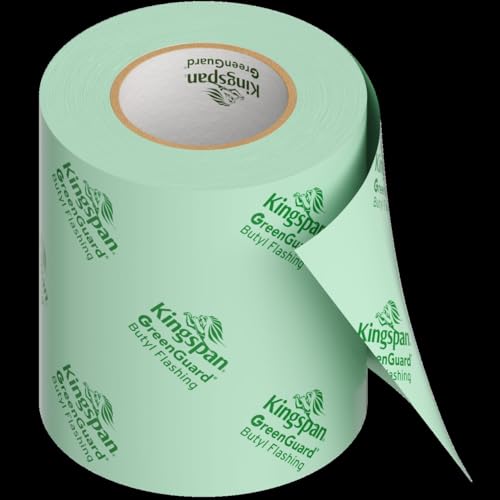
Kingspan GreenGuard is engineered for those who need maximum thermal performance in a slim profile. Its high R-value per inch makes it perfect for hot tubs with tight cabinet clearances where you cannot fit thicker, bulkier insulation. It provides a robust thermal barrier that effectively stops conductive heat loss in its tracks.
I recommend this for users in extreme cold zones who struggle to keep their water temperature stable during mid-winter. Its consistent density ensures that heat is reflected back toward the tub shell rather than dissipating into the cold air. If space is at a premium but efficiency is non-negotiable, this is your best bet.
DuPont Styrofoam Brand: Best for Durability
DuPont’s classic blue boards are legendary for their ruggedness and resistance to compression. When you are installing insulation in a tight, awkward space, you need a material that won’t crumble or crack when you press it into place. This product is incredibly easy to work with and stands up to the vibration of the spa pumps without breaking down.
This is the ideal product for the DIYer who wants a material that is forgiving and easy to cut. It is a workhorse that provides a solid, long-lasting barrier against the cold. If you want a product with a proven track record that won’t let you down after a few seasons, go with the DuPont brand.
R-Tech EPS Insulation: Lightweight Performance

R-Tech is an Expanded Polystyrene (EPS) product that offers a great balance between cost and performance. It is lighter than XPS boards, making it very easy to maneuver when you are working inside the cramped confines of a hot tub cabinet. It features a laminated film on both sides, which adds a bit of extra durability and moisture protection.
This is the perfect choice for the budget-conscious owner who still wants a professional-grade thermal upgrade. It is highly effective, yet it doesn’t carry the premium price tag of high-density XPS boards. If your hot tub is in a moderately cold climate and you need a cost-effective way to boost efficiency, R-Tech is a solid contender.
Celotex PIR Boards: High Efficiency for Heat Loss
Celotex PIR (polyisocyanurate) boards offer some of the highest thermal efficiency on the market today. Because of their unique chemical structure, they provide a higher R-value than most standard foam boards of the same thickness. This makes them the ultimate solution for extreme cold where every fraction of an inch counts.
These boards are for the serious enthusiast who wants the absolute best thermal protection possible. They are slightly more rigid and can be more brittle, so handle them with care during installation. If you are dealing with sub-zero temperatures for months on end, the efficiency of Celotex is worth the extra installation effort.
Atlas EnergyShield: Best for Reflective Insulation
Atlas EnergyShield boards often feature a reflective foil facing that acts as a radiant barrier. This is a clever design choice; while the foam core stops heat conduction, the foil reflects radiant heat back toward the hot tub shell. It is a dual-action approach that maximizes the retention of every degree of heat generated by your heater.
I suggest this for tubs that have significant gaps between the shell and the cabinet walls. The reflective surface works exceptionally well when there is a small air gap, bouncing heat back rather than letting it radiate outward. If your goal is to create the most efficient heat-trapping environment possible, Atlas EnergyShield is a top-tier choice.
Long-Term Maintenance of Hot Tub Insulation Panels
Once your panels are installed, perform an annual inspection to ensure no moisture has bypassed the seams. Check the tape for signs of peeling and re-seal any areas where the adhesive may have failed due to temperature fluctuations. A quick check during your seasonal water change is usually sufficient to keep everything in top shape.
Keep an eye out for any signs of pests, as some insulation can be attractive to rodents looking for winter shelter. If you notice any debris or nesting materials near your pump area, clean it out immediately and reinforce your seals. By keeping the insulation clean and intact, you ensure your hot tub remains a cozy sanctuary for years to come.
Taking the time to properly insulate your hot tub is a game-changer for your winter soaking experience. By choosing the right material for your specific climate and cabinet layout, you significantly reduce your energy costs and protect your investment. Stay warm, stay efficient, and enjoy those icy nights from the comfort of your perfectly heated oasis.
