6 Lake Precipitation Sensors For Planning Water Projects
Accurate data is vital for water management. Explore six essential lake precipitation sensors that improve project planning and long-term resource stability.
Whether you are managing a private dock or planning a community regatta, knowing exactly how much rain hits your lake can mean the difference between a perfect weekend and a flooded shoreline. Precise precipitation data is the backbone of responsible water management, helping you stay ahead of runoff and potential hazards. These six sensors turn guesswork into actionable intelligence for any lake enthusiast.
Disclosure: As an Amazon Associate, this site earns from qualifying purchases. Thank you!
Why Lake Precipitation Data Matters for Safety
When you live or play on the water, precipitation isn’t just weather—it’s a direct input into your environment. Heavy rainfall can lead to rapid rises in water levels, which may dislodge docks, submerge hazards, or trigger dangerous runoff that impacts water quality. By tracking precipitation, you gain a vital lead time to secure equipment or adjust your recreation plans before conditions turn risky.
Beyond immediate safety, precipitation data helps you understand the long-term health of your lake. You can correlate rain events with changes in water clarity or algae blooms, allowing for better stewardship of the ecosystem. It transforms your relationship with the lake from passive observation to active, informed management.
Understanding Lake Water Level Fluctuations
Lake levels are dynamic, responding to a complex dance between precipitation, evaporation, and groundwater inflow. A sudden downpour might not raise the lake level immediately, but it often signals a delayed surge as runoff makes its way through the watershed. Understanding this lag is crucial for anyone responsible for boat lifts or shoreline landscaping.
Many people mistakenly believe that a heavy storm always equals a higher lake level, but evaporation and soil saturation play massive roles. If the ground is parched, that rain might soak in rather than run off, leaving your water levels unchanged. Tracking your own local data helps you distinguish between a temporary weather event and a broader hydrological trend.
Davis Vantage Pro2: The Professional Standard


If you are serious about data accuracy and need a system that survives the harsh, humid conditions of a lakeside environment, the Davis Vantage Pro2 is the gold standard. It features a rugged, industrial-grade design that stands up to salt air and heavy winds better than almost anything else on the market. Its tipping-bucket rain gauge is exceptionally precise, ensuring you aren’t just guessing how much rain fell.
While it comes with a higher price tag, the investment is justified by its modularity and long-term reliability. It is the perfect choice for homeowners associations or serious lake managers who need consistent data year after year. If you want a "set it and forget it" solution that offers professional-grade insights, this is your unit.
Ambient Weather WS-2902: Best Smart Integration
Track your home weather with the Ambient Weather WS-2902. This WiFi-enabled station measures wind, rain, temperature, and more, sending data to your smart home via IFTTT, Alexa, and Google Home.
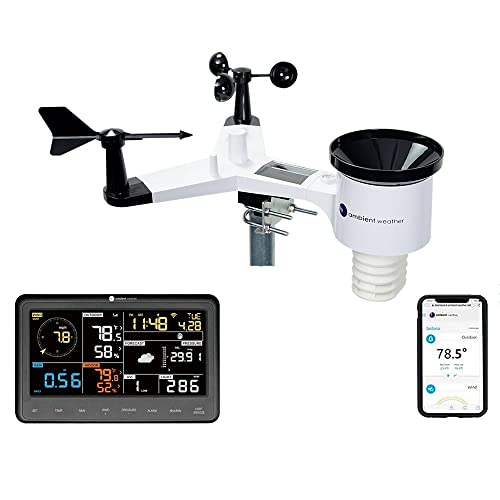
For the tech-savvy lake lover who wants to check their backyard weather from a smartphone while sitting on the dock, the Ambient Weather WS-2902 is hard to beat. It integrates seamlessly with platforms like Weather Underground, allowing you to share your data with the community or pull it into home automation systems. The interface is intuitive, making it a joy to use for daily monitoring.
The sensor array is comprehensive, covering everything from wind speed to UV radiation, giving you a full picture of the day’s conditions. It is ideal for those who value connectivity and want their weather data to be part of a broader smart home ecosystem. If you want a modern, connected experience without the professional-grade cost, this station is the right fit.
AcuRite Iris 02077: Best Value Weather Station
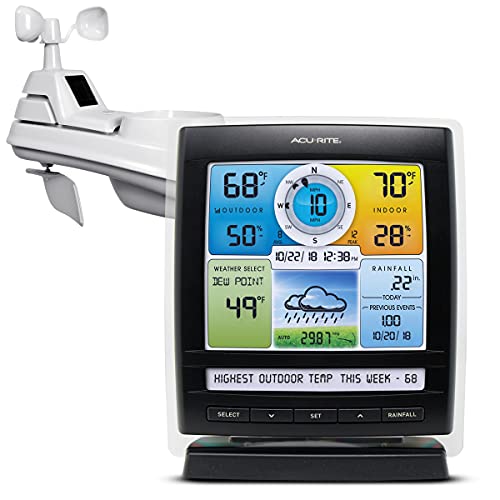
The AcuRite Iris 02077 is the quintessential "bang for your buck" option for someone just starting their journey into lake monitoring. It provides reliable precipitation tracking and basic atmospheric data in a simple, easy-to-install package. It’s perfect for the casual user who wants to know if they need to cover the boat or pull in the cushions before a storm.
While it lacks the heavy-duty components of more expensive professional stations, it is perfectly adequate for standard residential use. It’s a low-barrier entry point that provides enough data to make informed decisions about your weekend activities. If you are looking for a reliable, no-frills tool to keep on your deck, look no further.
Tempest Weather System: Best Ultrasonic Choice
Get real-time weather data with the Tempest Weather System. This solar-powered, wireless device features accurate forecasts, lightning detection, and reports on temperature, wind, rain, and more, accessible via app and integrations.

The Tempest Weather System is a game-changer because it uses haptic and ultrasonic technology instead of traditional moving parts. This means there are no mechanical buckets to clog with leaves or debris—a major advantage in a lakeside environment where wind-blown needles and organic matter are common. Its sleek, minimalist design also looks great on a dock post.
Because it is completely silent and requires virtually no maintenance, it is the best choice for remote properties where you can’t visit to clear the sensors. It relies on advanced AI to provide remarkably accurate, localized data. If you prioritize modern innovation and want a sensor that stays clean without manual intervention, the Tempest is your clear winner.
RainWise MK-III: Best for Remote Lake Sites
When you need to monitor a remote lake site where power and internet are scarce, the RainWise MK-III is your workhorse. It is built to withstand extreme environments, featuring heavy-duty components that are designed to operate for years without human oversight. It’s a favorite for those who manage large properties or remote cabins.
The data transmission options are robust, ensuring that you get your readings even in challenging terrain. It isn’t the most "user-friendly" for a casual backyard hobbyist, but for the serious property manager, it is an essential piece of equipment. If you need a rugged, reliable system for a site that is off the grid, this is the tool for the job.
La Crosse Technology 724-1415: Best Compact Tool

Sometimes you don’t need a full weather station; you just need a simple, accurate way to track rainfall. The La Crosse Technology 724-1415 is a compact, self-emptying rain gauge that fits perfectly on a fence post or a small pier. It is straightforward, easy to read, and provides the essential data you need without any unnecessary complexity.
It is ideal for those with limited space or those who only care about precipitation data to inform their gardening or boat-covering needs. The display is clear and the sensor is surprisingly accurate for its size. If you want a focused, space-saving tool that does one thing exceptionally well, this compact gauge is the way to go.
Essential Features for Lake Monitoring Gear
When selecting your equipment, keep these non-negotiable features in mind to ensure your data is actually useful:
- Self-Emptying Gauges: Essential for avoiding manual maintenance after every storm.
- Wireless Range: Ensure the transmitter can reach your home from the dock or shoreline.
- Data Logging Capabilities: Look for systems that store historical data to help you identify seasonal patterns.
- Durability: Prioritize UV-resistant materials and robust seals to withstand the high humidity of a lakefront.
Interpreting Precipitation Data for Planning
Data is only useful if you know how to apply it to your specific lake environment. Use your precipitation readings to establish a "baseline" for your shoreline—note how much rain it takes to cause minor flooding or runoff issues. This allows you to create your own early-warning system for when you need to move gear or check on your dock.
Always remember that precipitation is just one piece of the puzzle. Combine your rain data with observations of wind direction and water clarity to gain a deeper understanding of how your lake behaves. By consistently tracking these factors, you’ll become a more proactive steward of your water space.
Investing in a quality precipitation sensor turns the unpredictable nature of lake weather into a manageable, data-driven routine. Whether you choose a high-tech ultrasonic system or a reliable mechanical gauge, the insights you gain will protect your property and enhance your time on the water. Start tracking today, and you will quickly wonder how you ever managed your lakeside life without the data.