6 Quiet Beach Photography Tips That Capture Serene Moments
Capture the beach’s quiet beauty. Our guide covers using soft light, long exposure, and minimalist composition for truly serene and calming photos.
There’s a profound difference between a snapshot of a beach and a photograph that captures its soul. Anyone can point a camera at the ocean, but conveying the deep, quiet serenity of the coast requires intention and technique. These tips move beyond the basics to help you create images that feel as peaceful as the moment you experienced them.
Disclosure: As an Amazon Associate, this site earns from qualifying purchases. Thank you!
Scouting the Perfect Unspoiled Beach Location
Finding a truly quiet beach is the first, and most critical, step. The most popular, easily accessible spots are often crowded, which is the enemy of serene photography. Your goal is to find a location where the primary sounds are the waves and the wind, not radios and chatter.
Start your search digitally. Use satellite views on mapping apps to look for coves, small pocket beaches, or long stretches of sand far from main parking lots. Look for access points that require a bit of a walk; that small barrier is often enough to ensure solitude. Also, check tide charts. A beach that seems unremarkable at high tide might reveal incredible rock formations, tide pools, and sweeping sand flats at low tide.
Don’t just look for emptiness; look for character. A perfect, featureless beach can be less interesting than one with a unique sea stack, a gnarled piece of driftwood, or a gracefully curving shoreline. These elements provide a focal point and add a sense of place to your images. The best locations are often a combination of seclusion and unique natural features.
Mastering Golden Hour Light for Serene Photos
The quality of light dictates the mood of your photograph more than any other single factor. Midday sun is harsh, creating sharp shadows and blowing out highlights, which results in a busy, high-energy feel. For serenity, you need the soft, warm light of the "golden hour."
This magical period occurs roughly during the first hour after sunrise and the last hour before sunset. The sun is low in the sky, and its light travels through more of the atmosphere, scattering the blue light and leaving behind warm, golden tones. This light wraps around subjects gently, creating long, soft shadows that reveal texture in the sand and rocks. It’s the visual equivalent of a whisper.
To make the most of it, you have to be committed. Arrive at your location at least 30-45 minutes before sunrise or an hour before sunset. This gives you time to set up and watch how the light interacts with the landscape as it changes. Often, the moments just before the sun appears or just after it dips below the horizon—the "blue hour"—offer an even quieter, more ethereal mood.
Using a Manfrotto Tripod for Long Exposures
Capture stable shots with the Manfrotto 290 Xtra tripod, featuring robust aluminum construction and adjustable leg locks for reliable support. Its 4 leg angles and included shoulder bag offer versatile framing and easy portability.


If you want to create those dreamy, peaceful beach scenes, a tripod isn’t optional—it’s essential. The techniques that produce serene images, like blurring water motion, require your camera to be perfectly still for seconds or even minutes at a time. Hand-holding is simply not an option.
A sturdy tripod, like those from Manfrotto, provides the stability needed to withstand coastal breezes and the subtle vibrations of the sand. Look for one with robust legs that you can push firmly into the wet sand for a solid base. A quality ball head is also crucial, as it allows you to fine-tune your composition smoothly and lock it down securely.
Think of the tripod as your creative foundation. It frees you from the limitations of fast shutter speeds, allowing you to see the world in a different way. It enables you to capture the passage of time in a single frame, which is the very essence of a tranquil photograph.
Tiffen ND Filters for Creating Silky Water
Control light from 2 to 8 stops with this Tiffen 82mm Variable Neutral Density filter. Its high-quality optical glass and wide outer optics ensure sharp images and minimize vignetting, even at wide angles.

The secret to that smooth, misty water effect you see in professional seascapes is a Neutral Density (ND) filter. Think of it as a pair of high-quality sunglasses for your lens. Its only job is to reduce the amount of light reaching your camera’s sensor without changing the colors.
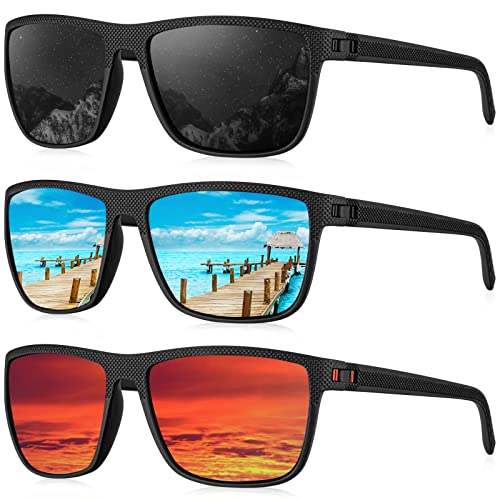
Enjoy clear vision and UV400 protection with KALIYADI polarized sunglasses. The lightweight, durable design and classic rectangular frame are perfect for driving, fishing, and everyday wear.
By cutting the light, an ND filter allows you to use a much slower shutter speed than would otherwise be possible, especially during the day. A shutter speed of 1 to 30 seconds will blur the chaotic motion of individual waves into a soft, silky surface. This technique strips away the visual noise of crashing surf, leaving behind a feeling of pure calm.
Quality filters, like those from Tiffen, are important to avoid color casts or a loss of sharpness. A variable ND filter offers great flexibility, allowing you to dial in the exact amount of light reduction you need. Alternatively, a 6-stop or 10-stop fixed ND filter provides maximum effect for creating dramatic long exposures even in bright golden hour light. This single tool can completely transform the mood of your beach photography.
Canon 100mm Macro Lens for Intimate Details
Capture stunning detail with the Canon RF100mm F2.8 L Macro lens, the world's first medium telephoto macro lens with 1.4x magnification. Achieve exceptional image quality and bokeh control with its bright f/2.8 aperture and unique SA Control Ring, while the 5-stop Optical Image Stabilizer ensures sharp shots.

Serenity isn’t always found in the grand, sweeping vista. Sometimes, it’s in the small, overlooked details. A macro lens opens up a miniature world, forcing you to slow down and observe the intricate beauty at your feet.
Instead of focusing on the entire coastline, use a lens like the Canon 100mm Macro to isolate tiny subjects.
- The swirling patterns left in the sand by a receding wave.
- The texture of barnacles on a weathered rock.
- A lone, perfect seashell half-buried in the sand.
- Water droplets clinging to a strand of seaweed.
This type of photography is a meditative practice. It shifts your perspective from the overwhelming scale of the ocean to the quiet perfection of a single object. These intimate scenes tell a different kind of story—one of subtlety, delicacy, and the quiet resilience of nature. It’s a powerful way to convey peace without showing the horizon at all.
Using Leading Lines to Guide the Viewer’s Eye
A strong composition is what separates a snapshot from a compelling photograph. One of the most effective compositional tools at the beach is the use of leading lines. These are natural lines within the scene that draw the viewer’s eye from the foreground deep into the image, creating a sense of depth and journey.
The beach is full of powerful leading lines. The most obvious is the shoreline itself, the curve where water meets sand. Use it to lead the eye towards a distant sea stack or a colorful sunset. Other examples include the patterns left by receding tides, a row of old pier pilings, or a line of rocks stretching out into the sea.
When you compose your shot, consciously look for these lines and position yourself so they start near the bottom corner of your frame and travel towards your main subject. This creates a more dynamic and engaging image than one where the shoreline is just a flat, horizontal line across the middle. It invites the viewer to step into the scene and explore.
Embrace Negative Space for a Minimalist Feel
In a world full of visual clutter, simplicity is calming. In photography, this is achieved by embracing negative space—the large, empty areas of your composition that surround your subject. On a quiet beach, you have an abundance of it: the vast sky, the smooth ocean, and the clean slate of wet sand.
Instead of trying to fill the frame with interesting things, do the opposite. Find a single, compelling subject—a lone rock, a piece of driftwood, a single bird—and place it deliberately within a vast, empty scene. This technique isolates the subject, giving it importance and creating a powerful sense of scale and solitude.
A common approach is to use the "rule of thirds," placing your small subject off-center and letting the rest of the frame be dominated by the simple textures of sky and water. This minimalist approach creates a breathing room in your photograph, giving the viewer’s eye a place to rest and fostering a feeling of peace. It’s a statement that less is truly more.
Protecting Gear with a Peak Design Camera Bag
Carry essentials comfortably with the Peak Design Everyday Sling. Customize the internal space with FlexFold dividers and attach larger items externally using the Cord Hook System.

The beach is a hostile environment for camera equipment. Salt spray is corrosive, sand gets into every crevice, and an unexpected wave can be catastrophic. Protecting your gear isn’t just a good idea; it’s essential for ensuring it lasts.
A purpose-built camera bag is your first line of defense. Brands like Peak Design are known for their weather-resistant materials and thoughtful designs that help seal out the elements. A good bag provides not only padding but also a clean, sand-free "home base" for your equipment while you’re shooting.
Develop good beach habits. Always place your bag on a towel or a dry rock, never directly on the sand. Keep it zipped shut unless you are actively getting something out. If you must change lenses, turn your back to the wind to shield the camera’s sensor from airborne sand and salt. A few simple precautions can prevent a very expensive and heartbreaking accident.
Ultimately, capturing serene beach photos is as much about your mindset as your equipment. It’s about slowing down, observing carefully, and connecting with the quiet rhythm of the coast. The right gear and techniques simply allow you to translate that peaceful feeling into a lasting image.