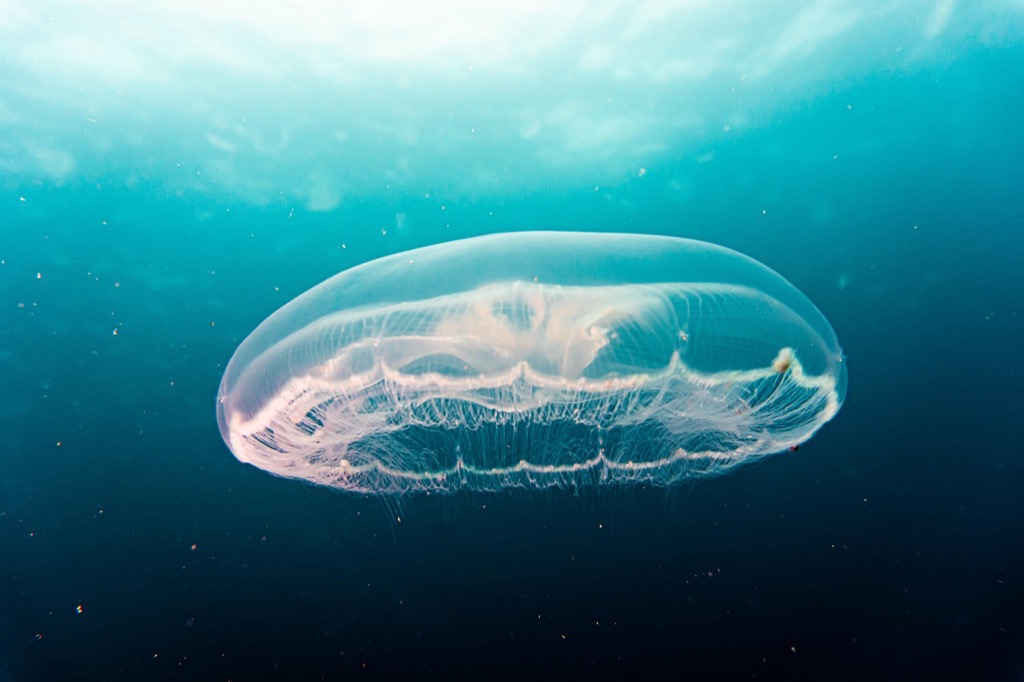
7 Tips for Photographing Jellyfish Safely That Protect Our Waters
Discover 7 essential safety tips for stunning jellyfish photography. Learn protective gear, camera techniques, and emergency protocols to capture these mesmerizing creatures safely while protecting marine life.
Why it matters: Jellyfish photography offers stunning visual opportunities but requires careful planning to avoid painful stings and protect delicate marine ecosystems.
The big picture: These ethereal creatures present unique challenges for underwater photographers – from their translucent bodies that require specific lighting techniques to their potentially dangerous tentacles that demand respect and distance.
What’s ahead: You’ll discover essential safety protocols and technical strategies that let you capture breathtaking jellyfish images while minimizing risks to both yourself and these fascinating marine animals.
Disclosure: As an Amazon Associate, this site earns from qualifying purchases. Thank you!
Understand Jellyfish Behavior and Habitat Before Your Shoot
Knowing your subject’s natural patterns will keep you safe while capturing stunning shots. Most jellyfish species follow predictable movement and feeding cycles that directly impact your photography opportunities.
Research Local Jellyfish Species and Their Activity Patterns
Different jellyfish species have distinct behaviors that affect when and where you’ll find them. Moon jellies typically surface during dawn and dusk feeding times, while box jellyfish prefer shallow, warm waters during specific seasons.
Study your target species’ sting severity, tentacle reach, and seasonal migrations before planning your shoot. This research determines your safety equipment needs and optimal shooting distances.
Identify Safe Viewing Locations and Optimal Timing
Marine sanctuaries and established dive sites offer controlled environments with known jellyfish populations. These locations provide safety protocols, emergency equipment, and experienced guides who understand local jellyfish behavior patterns.
Plan shoots during calm weather conditions when jellyfish drift predictably near the surface. Avoid stormy periods when strong currents push jellyfish into unexpected areas or closer to shore.
Maintain a Safe Distance Using Telephoto Lenses
Telephoto lenses let you capture stunning jellyfish details while keeping a safe buffer zone between you and potentially dangerous tentacles. You’ll maintain professional image quality without risking painful stings or disturbing these delicate marine creatures.
Select Appropriate Focal Length for Jellyfish Photography
Choose 85-200mm lenses for most jellyfish photography situations. You’ll get excellent detail capture while staying 3-6 feet away from your subject. Underwater photographers often prefer 100-135mm focal lengths since water magnifies images by approximately 25%, giving you effective reach without bulky equipment that’s harder to maneuver in currents.
Use Zoom Capabilities to Capture Detail Without Risk
Zoom functionality eliminates the need to move closer when jellyfish behavior changes unexpectedly. You can quickly adjust framing from wide environmental shots to tight detail captures without repositioning your body. Variable zoom lenses like 70-200mm options let you track jellyfish movement while maintaining consistent distance, especially important when photographing species with long, trailing tentacles that extend beyond visible range.
Wear Protective Gear When Photographing Near Water
Protective gear creates a crucial barrier between you and jellyfish stings when photographing in marine environments. The right equipment prevents painful encounters while allowing you to focus on capturing exceptional shots.
Choose Full-Body Wetsuit Protection for Water Photography
Full-body wetsuits offer the most comprehensive protection for underwater jellyfish photography. A 3-5mm wetsuit provides excellent coverage while maintaining flexibility for camera operation. Choose wetsuits with reinforced knees and elbows for durability when kneeling on surfaces. Ensure proper fit around wrists and ankles to prevent gaps where tentacles could make contact with exposed skin.
Select Appropriate Gloves and Footwear for Beach Shooting
Neoprene gloves protect your hands while maintaining dexterity for camera controls and lens adjustments. Choose 2-3mm thickness for optimal tactile sensitivity when handling delicate equipment. Water shoes with thick soles shield your feet from tentacle fragments washed onto shore. Select footwear with secure ankle straps to prevent loss in waves or strong currents during beach photography sessions.
Never Touch or Handle Jellyfish for Photo Opportunities
Physical contact with jellyfish can cause severe stings even after the animal appears dead. You’ll risk painful welts, allergic reactions, and potentially life-threatening complications by handling these creatures for better photo angles.
Understand the Dangers of Direct Contact with Jellyfish
Direct contact triggers immediate nematocyst discharge, delivering venom through thousands of microscopic stingers. Even beached jellyfish retain stinging capability for hours after washing ashore. You can’t determine toxicity levels by appearance alone, as some species like box jellyfish cause excruciating pain within seconds of contact.
Use Natural Positioning and Lighting Instead of Manipulation
Natural sunlight creates stunning backlighting effects that highlight jellyfish translucency without requiring repositioning. Position yourself to capture side-lit or backlit shots using available water movement and currents. You’ll achieve more authentic compositions by waiting for natural jellyfish behavior rather than attempting to direct their movement through manipulation.
Prepare Emergency First Aid Knowledge and Supplies
Even with careful distance and protective gear, jellyfish encounters can still happen during photography sessions. You’ll want immediate response capabilities when shooting in marine environments where stings are possible.
Learn Proper Jellyfish Sting Treatment Procedures
Remove tentacle fragments with tweezers – never your bare hands – to prevent additional venom release. Rinse the affected area with hot water (104-113ðF) for 20 minutes to deactivate proteins in the venom. Apply vinegar only for box jellyfish stings, as it can worsen other species’ reactions.
Pack Essential First Aid Items for Beach Photography
Carry waterproof first aid supplies including tweezers, instant hot packs, and antihistamines in your camera bag. Pack vinegar in a spray bottle for potential box jellyfish encounters and include pain relief medication for immediate comfort. Store emergency contact numbers in a waterproof case alongside your photography equipment.
Use Underwater Camera Housing for Aquatic Shots
Waterproof camera housing transforms your jellyfish photography by allowing you to capture shots from unique underwater angles. You’ll get closer perspectives while maintaining protective barriers between you and potentially dangerous tentacles.
Select Waterproof Equipment Suitable for Marine Photography
Choose camera housings rated for saltwater environments with clear polycarbonate or aluminum construction. Look for depth ratings exceeding your planned shooting depth by at least 30 feet as safety margin.
Professional housings from manufacturers like Ikelite, Nauticam, and Sea&Sea offer superior durability and control access. Budget options include waterproof cases from companies like DiCAPac for basic protection during shallow water photography sessions.
Ensure Proper Sealing and Buoyancy Control
Test your housing’s O-ring seals in shallow water before each jellyfish photography session. Replace O-rings annually and lubricate them with silicone grease to prevent water infiltration that could damage expensive camera equipment.
Add foam floats or weighted strips to achieve neutral buoyancy that prevents your camera from sinking or floating uncontrollably. Proper buoyancy control helps you maintain steady shots while keeping safe distances from jellyfish tentacles.
Work with Marine Biologists or Experienced Guides
Professional guidance transforms risky jellyfish photography into safe, educational experiences. These experts know species behavior, optimal timing, and emergency protocols that keep you protected while capturing stunning images.
Connect with Local Aquariums and Research Facilities
Contact marine research centers and aquariums near your shooting location for scientific guidance. They’ll provide species identification charts, seasonal migration patterns, and current jellyfish activity reports that help you plan safer photography sessions.
Many facilities offer guided photography programs or research partnerships that give you supervised access to jellyfish habitats while contributing valuable data to ongoing conservation studies.
Hire Professional Guides Familiar with Jellyfish Photography
Book experienced underwater guides who specialize in jellyfish encounters and marine photography safety protocols. They’ll position you at optimal distances, identify dangerous species, and monitor conditions throughout your shoot.
Professional guides carry specialized safety equipment including vinegar solutions, emergency communication devices, and first aid supplies specifically designed for jellyfish encounters in marine environments.
Conclusion
Jellyfish photography offers incredible rewards when you prioritize safety and preparation. By following these essential tips you’ll capture stunning images while protecting yourself from potentially dangerous encounters.
Remember that your safety always comes first – no photograph is worth risking your health. The combination of proper equipment protective gear and expert guidance creates the foundation for successful jellyfish photography sessions.
With patience and the right approach you’ll develop the skills to photograph these mesmerizing creatures safely. Your commitment to responsible photography practices also helps preserve marine ecosystems for future generations of photographers and wildlife enthusiasts.
Frequently Asked Questions
What equipment do I need for safe jellyfish photography?
Use telephoto lenses (85-200mm) to maintain 3-6 feet distance from jellyfish. Wear full-body wetsuits for underwater shots, neoprene gloves, and thick-soled water shoes for beach photography. Consider underwater camera housing for added protection. Always carry waterproof first aid supplies including tweezers, hot packs, antihistamines, and vinegar.
Can I touch or move jellyfish to get better photos?
Never handle jellyfish directly, even if they appear dead on the beach. Physical contact can cause severe stings, allergic reactions, and life-threatening complications. Even beached jellyfish retain stinging capability. Instead, use natural positioning and lighting like side-lit or backlit shots with sunlight to create authentic compositions.
What should I do if I get stung by a jellyfish while photographing?
Remove tentacle fragments with tweezers, then rinse the area with hot water (not cold) to deactivate venom. Apply vinegar for box jellyfish stings. Take antihistamines for swelling and pain relief medication as needed. Seek immediate medical attention for severe reactions or if symptoms worsen.
How do I choose the best locations for jellyfish photography?
Research local jellyfish species and their activity patterns before shooting. Choose established locations like marine sanctuaries and dive sites. Plan shoots during calm weather for predictable jellyfish movement. Connect with local aquariums and research facilities for current activity reports and safe viewing locations.
Should I work with a guide for jellyfish photography?
Yes, working with marine biologists or experienced guides significantly improves safety and results. They provide species behavior insights, optimal timing advice, emergency protocols, and specialized safety equipment. Many facilities offer guided photography programs that allow supervised habitat access while supporting conservation efforts.
What camera settings work best for jellyfish photography underwater?
Use underwater camera housing rated for saltwater environments. Test O-ring seals before each session and replace annually. Consider 100-135mm focal lengths due to water magnification effects. Use buoyancy aids to maintain steady shots while keeping safe distance. Ensure proper sealing and buoyancy control for optimal results.