
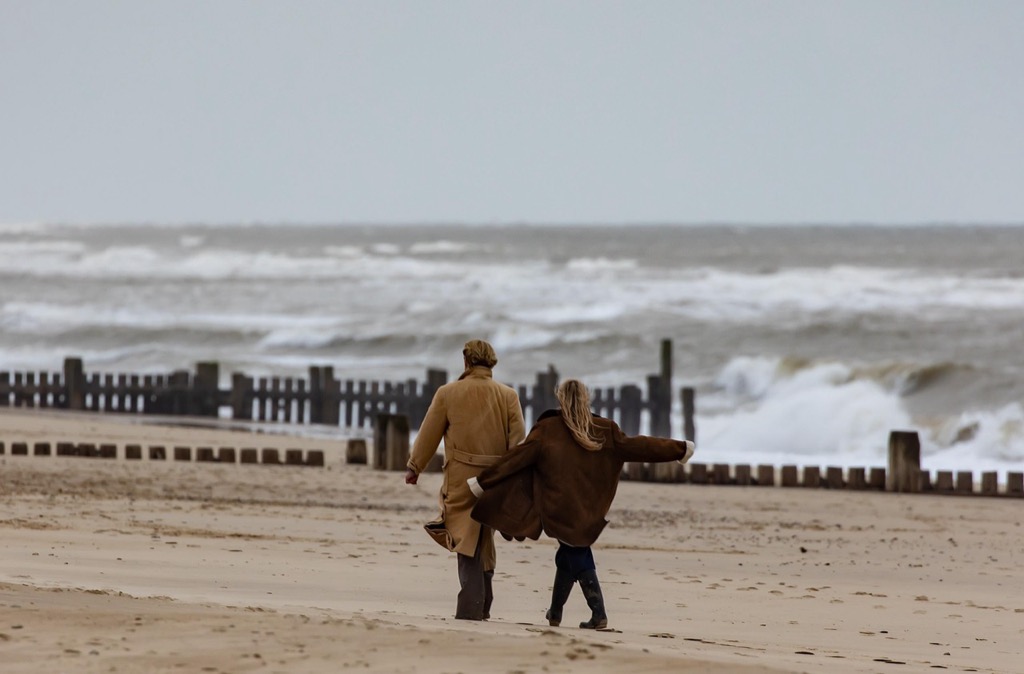
7 Creative Beach Photography Tips in Windy Conditions That Pros Use
Transform windy beach days into stunning photo opportunities! Discover 7 creative tips for capturing dynamic movement, protecting gear, and mastering camera settings in blustery coastal conditions.
Why it matters: Windy beach conditions can transform your photography from ordinary snapshots into dynamic masterpieces when you know the right techniques.
The challenge: Most photographers avoid beaches on blustery days but you’re missing out on incredible opportunities to capture movement drama and unique compositions that calm weather simply can’t provide.
What’s ahead: These seven creative strategies will help you harness wind as your creative partner rather than fighting against it turning challenging conditions into your biggest advantage for stunning coastal imagery.
Disclosure: As an Amazon Associate, this site earns from qualifying purchases. Thank you!
Embrace the Wind as Your Creative Partner
Wind transforms static beach scenes into dynamic visual stories. You’ll discover that blustery conditions offer movement and energy that calm days simply can’t match.
Use Wind-Blown Hair and Clothing as Dynamic Elements
Wind-tossed hair creates natural movement that adds life to your portraits. Position your subject so flowing hair catches the light and creates graceful lines across your frame.
Loose clothing like scarves, dresses, or flowing shirts become sculptural elements in windy conditions. Time your shots when fabric peaks in its wind-blown arc for maximum dramatic impact.
Capture Movement in Sand and Beach Grass
Blowing sand creates ethereal veils and dramatic textures that add mystery to your compositions. Use faster shutter speeds to freeze sand particles mid-flight or slower speeds to show flowing movement patterns.
Beach grass swaying in strong winds forms natural leading lines and creates rhythm throughout your frame. Position yourself low to emphasize the grass movement against dramatic sky backgrounds for compelling foreground interest.
Master Camera Settings for Sharp Windy Beach Shots
Getting your camera settings right becomes critical when wind threatens to blur your shots and create challenging exposure conditions.
Increase Your Shutter Speed to Freeze Motion
Windy beach photography demands faster shutter speeds to capture sharp images of moving subjects and swaying elements. Start with 1/500th second as your baseline, then increase to 1/1000th or faster when photographing flying sand particles or dramatic hair movement. You’ll freeze those dynamic moments that make windy beach shots so compelling while avoiding motion blur that ruins otherwise perfect compositions.
Adjust ISO and Aperture for Optimal Exposure
Balance your exposure triangle by raising ISO to 400-800 when faster shutter speeds darken your images in challenging beach light. Use apertures between f/5.6 and f/8 to maintain sharp focus across your frame while allowing enough light for proper exposure. Modern cameras handle higher ISOs well, so don’t hesitate to push ISO to 1600 if you need that critical shutter speed for tack-sharp results.
Protect Your Photography Equipment From Sand and Salt
Windy beach conditions create a perfect storm for equipment damage, with sand particles acting like tiny projectiles and salt spray corroding metal components within hours of exposure.
Use Lens Filters and Camera Rain Covers
Install UV or clear protective filters on every lens before stepping onto the beach. These inexpensive barriers take the brunt of sand impacts and salt spray while preserving your expensive glass underneath. Quality rain covers designed for DSLR cameras create a sealed barrier against both elements, allowing full camera operation while keeping sand and moisture out of critical components.
Keep Cleaning Supplies Within Easy Reach
Pack microfiber cloths, lens cleaning solution, and a small blower brush in easily accessible pockets. Sand particles bond with salt residue quickly in windy conditions, creating abrasive compounds that can scratch surfaces if wiped incorrectly. Clean your equipment every 15-20 minutes during active shooting, starting with the blower to remove loose particles before wiping with dampened microfiber cloths.
Position Yourself Strategically Against Wind Direction
Smart positioning transforms wind from an obstacle into a creative tool. Your location relative to the wind determines whether you’ll struggle with camera shake or capture those stunning dynamic shots you’re after.
Find Natural Windbreaks Like Rocks and Driftwood
Rocks and large driftwood pieces create protective pockets where you can shoot comfortably while still capturing wind effects in your frame. Position yourself behind these natural barriers with your subject in the windy zone beyond.
Look for tide pools surrounded by rocks or weathered logs that provide shelter from direct gusts. You’ll maintain steady hands while photographing hair and clothing dancing dramatically just steps away from your protected position.
Use Low Angles to Minimize Wind Impact on Stability
Getting low to the ground significantly reduces wind’s effect on your camera stability since air currents are typically weaker closer to the sand. Crouch or lie prone to create a more stable shooting platform.
Low angles also add dramatic perspective to your beach shots, making subjects appear more powerful against expansive skies. You’ll capture upward-flowing fabric and hair while maintaining sharp focus through reduced camera shake.
Capture Dramatic Wave Action Enhanced by Wind
Wind transforms ordinary waves into photographic gold by creating bigger swells and more dramatic spray patterns. You’ll find that breezy conditions produce the most spectacular wave crashes with towering whitecaps and explosive water displays.
Time Your Shots With Wind-Driven Wave Patterns
Wind creates predictable wave sets that arrive in groups of 3-7 larger waves followed by smaller ones. Watch for 2-3 cycles to identify when the biggest waves hit, then position yourself 30 seconds before the next set arrives. This timing strategy lets you capture the most dramatic crashes with explosive spray reaching 15-20 feet high.
Use Continuous Shooting Mode for Perfect Wave Moments
Set your camera to continuous shooting at 5-8 frames per second to capture the split-second when waves explode against rocks or crash onto shore. Wind-enhanced waves move unpredictably, making single shots nearly impossible to time perfectly. Shoot in bursts of 10-15 frames during each wave impact to ensure you capture the peak moment of spray and foam.
Create Stunning Silhouettes With Wind-Swept Subjects
Wind transforms ordinary beach portraits into dramatic silhouettes that capture both human form and nature’s energy. You’ll achieve the most compelling results by positioning your subjects strategically and harnessing backlighting effectively.
Position Models Between Camera and Bright Sky
Position your subjects directly between your camera and the brightest part of the sky for maximum contrast. Wind-blown hair and flowing clothing create dynamic shapes that define the silhouette’s edges beautifully. Keep subjects at least 10-15 feet away to avoid lens flare while maintaining sharp outline definition against the luminous backdrop.
Use Backlighting to Emphasize Wind Movement
Backlighting transforms wind-tossed hair and fabric into glowing elements that highlight movement patterns. Position yourself so the sun sits just behind your subject’s shoulder or head to create rim lighting effects. This technique makes every strand of hair and fold of clothing visible as flowing lines that emphasize the wind’s invisible force.
Turn Challenging Conditions Into Artistic Opportunities
Windy beach conditions aren’t obstacles – they’re creative catalysts that can transform ordinary shots into extraordinary art. Embrace the chaos and use wind’s unpredictable energy to create images that calm days simply can’t deliver.
Experiment With Intentional Camera Movement
Blend your camera’s motion with the wind’s rhythm to create dreamy, painterly effects that capture the essence of coastal movement. Move your camera in smooth, deliberate arcs during longer exposures (1/15th to 1/4 second) while wind whips through beach grass or waves crash nearby. This technique transforms sharp details into flowing streaks of color and light, creating abstract interpretations of familiar beach scenes that feel both ethereal and dynamic.
Capture Abstract Patterns in Blowing Sand
Transform flying sand particles into mesmerizing visual textures by shooting directly into backlit conditions where wind carries sand across your frame. Use fast shutter speeds (1/1000th second or faster) to freeze individual grains mid-flight, creating intricate patterns that look like golden smoke against darker backgrounds. Position yourself low and shoot upward to emphasize the sand’s graceful arcs, turning this common beach annoyance into stunning abstract compositions.
Conclusion
Windy beach conditions don’t have to derail your photography plans. Instead they offer unique opportunities to create compelling images that showcase nature’s raw energy and movement.
You’ve learned how to transform challenging elements into creative advantages. From capturing dramatic wave spray to creating stunning silhouettes with wind-swept subjects these techniques will help you stand out from typical beach photography.
Remember that practice makes perfect when shooting in windy conditions. The more you experiment with these methods the more natural they’ll become during your beach sessions.
Your next windy beach day is calling. Pack your gear grab your protective filters and head out to capture the extraordinary images that only challenging conditions can provide.
Frequently Asked Questions
What camera settings work best for windy beach photography?
Use a shutter speed of at least 1/500th of a second to freeze motion and prevent blur from flying sand or moving subjects. Set your ISO between 400-800 and use apertures between f/5.6 and f/8 for optimal sharpness. Modern cameras handle higher ISOs well, so don’t hesitate to increase sensitivity for proper exposure in challenging lighting conditions.
How can I protect my camera equipment from sand and salt at windy beaches?
Use UV or clear protective filters on your lenses and invest in quality rain covers to shield your camera from sand and moisture. Keep microfiber cloths and blower brushes easily accessible for regular cleaning. Clean your equipment every 15-20 minutes during shoots, as sand and salt create abrasive compounds that can scratch delicate surfaces.
What positioning techniques help minimize wind impact while shooting?
Position yourself against the wind direction to reduce camera shake and use natural windbreaks like rocks and driftwood for shelter. Adopt low shooting angles by crouching or lying prone to create a more stable platform. This positioning not only improves stability but also provides dramatic perspectives that enhance your beach photography compositions.
How do I capture dramatic wave action in windy conditions?
Use continuous shooting mode to capture split-second moments when waves crash against rocks or shore. Time your shots with wind-driven wave patterns, as waves typically arrive in predictable sets. Position yourself to capture the most explosive spray patterns, and be ready for larger swells that windy conditions naturally create.
What techniques work for creating wind-swept silhouettes?
Position your subjects between the camera and the brightest part of the sky for maximum contrast. Use backlighting by placing the sun behind your subject to create rim lighting effects that highlight flowing hair and fabric. Allow wind-blown elements to form dynamic shapes against the bright background for dramatic silhouette compositions.
How can I use wind as a creative element in beach portraits?
Embrace wind-blown hair and clothing as dynamic compositional elements rather than obstacles. Position subjects to catch light and create graceful flowing lines. Use faster shutter speeds to freeze dramatic hair movement or slower speeds to show motion blur. The key is working with the wind’s natural rhythm rather than fighting against it.
What creative techniques can I try with blowing sand and beach grass?
Capture movement in swaying beach grass by positioning low to emphasize motion against dramatic skies. For blowing sand, shoot into backlit conditions using fast shutter speeds to freeze individual grains mid-flight, creating intricate visual textures. Try longer exposures with intentional camera movement to blend your motion with the wind’s rhythm for painterly effects.

