
7 Key Safety Feature Differences: Above Ground vs In-Ground Pools That Every Parent Should Know
Discover 7 crucial safety differences between above-ground and in-ground pools. From barriers to emergency access, make an informed choice for your family’s protection.
The big picture: You’re considering a pool installation, but safety concerns are weighing heavily on your decision between above-ground and in-ground options.
Why it matters: Pool safety features vary dramatically between these two types, affecting everything from childproofing to emergency response capabilities. Understanding these differences can help you make an informed choice that protects your family while meeting your backyard goals.
What’s ahead: We’ll break down seven critical safety distinctions that could influence your pool investment decision.
Disclosure: As an Amazon Associate, this site earns from qualifying purchases. Thank you!
Above Ground Pool Barriers vs In-Ground Pool Fencing Requirements
• POOL SAFETY FENCE – Protects against unauthorized access to your pool, keeping your loved ones safe. Sturdy & extremely safe while in use, it’s easy to remove. For best results, install on cement or concrete tiled decks. NOT recommended for use with pavers • STRONG & DURABLE – WaterWarden Inground Pool Safety Fences are UL-Certified and made of super-strong, UV protected Meshylene fabric with reinforced edging to prevent fraying. The maximum UV inhibitors make it suitable for all climates. • DIMENSIONS – Each section of fence measures 4’ high and 12’ long. The spring-loaded safety latch system quickly and easily joins fence sections together, and you can buy as many sections as you need to safely surround your pool. • DIY INSTALLATION – This WaterWarden pool enclosure fence installs in minutes by simply drilling ⅝” holes and inserting the poles. A drilling template, instructions, hardware, hooks, and insert caps to cover holes are included. • WATERWARDEN – With state-of-the-art technology and a keen understanding of pool safety born of over five decades of experience, WaterWarden consistently leads the industry in product quality, reliability, ease-of-use, and service.

Pool barrier regulations vary dramatically between above-ground and in-ground installations, creating distinct safety compliance challenges you’ll need to navigate.
Height and Construction Standards
Above-ground pools naturally provide their own 4-foot barrier through the pool wall structure. You’ll only need additional fencing if your pool has a deck that reduces the effective wall height below 48 inches. In-ground pools require complete perimeter fencing at 4-6 feet depending on local codes, with no climbable surfaces within 3 feet of the fence top.
Gate and Latch Specifications
Self-closing and self-latching gates are mandatory for in-ground pool fencing systems. Latches must be positioned at least 54 inches above ground level or use magnetic mechanisms. Above-ground pools with removable ladders often satisfy gate requirements by simply removing ladder access, though permanent deck installations require the same latch specifications as in-ground pools.
Installation and Maintenance Differences
Above-ground pool barriers require minimal ongoing maintenance since the pool structure serves as the primary barrier. You’ll mainly inspect ladder security and any supplemental deck fencing. In-ground pool fencing demands regular hinge lubrication, latch adjustment, and structural integrity checks. Weather exposure causes faster deterioration of in-ground perimeter fencing compared to integrated above-ground barriers.
Pool Access Control: Ladder Removal vs Permanent Entry Points
Above-ground pools offer a unique safety advantage through removable access systems, while in-ground pools create permanent entry points that require different security approaches.
Removable Ladder Safety Benefits
Removing your above-ground pool ladder creates an instant 4-foot barrier that prevents unsupervised access. You’ll eliminate the primary climbing route when you take away the ladder after each swimming session.
This system works particularly well for families with young children since toddlers can’t reach the pool deck without assistance. Storage takes minimal space in your garage or shed.
In-Ground Pool Step and Handrail Risks
In-ground pool steps and handrails remain permanently accessible regardless of your security measures. Children can use built-in steps, shallow-end ledges, and decorative features as climbing aids even when gates are locked.
These permanent fixtures require additional safety layers like pool covers or door alarms. Your perimeter fencing becomes the primary defense since you can’t remove the entry points themselves.
Emergency Access Considerations
Ladder removal can delay emergency response if someone needs immediate pool access during a crisis. You’ll need to retrieve and position the ladder before rescuers can enter the water quickly.
In-ground pools provide instant emergency access through multiple entry points including steps and shallow ends. This permanent accessibility benefits both emergency responders and swimmers experiencing distress.
Water Depth Variations and Diving Safety Concerns
Water depth creates the most critical safety divide between above-ground and in-ground pools. Your pool’s depth profile directly determines what activities are safe and which diving equipment you can legally install.
Above Ground Pool Shallow Water Protection
Above-ground pools typically max out at 4-5 feet deep, creating a natural barrier against dangerous diving accidents. You’ll never face the temptation of installing diving boards since most models don’t meet the 8-foot minimum depth requirement for safe diving.
In-Ground Pool Deep End Safety Requirements
In-ground pools with deep ends require extensive safety markings and depth indicators at multiple points around the pool perimeter. You must install clearly visible depth markers every few feet and maintain them regularly to prevent fading that could lead to misjudged diving attempts.
Diving Board and Slide Regulations
Upgrade your pool with the S.R. Smith 8-foot Radiant White Fibre-Dive diving board. Featuring a SureFoot non-slip tread and corrosion-resistant stainless steel hardware, it's designed to retrofit Flyte-Deck II and U-Frame stands.
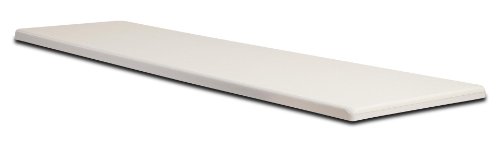
Diving boards require minimum 8-foot depths with specific clearance zones, while water slides need 3-4 feet minimum depending on slide height and design. You can’t retrofit most above-ground pools for diving equipment, but in-ground pools must meet strict dimensional requirements before any diving apparatus installation.
Supervision and Visibility Differences Between Pool Types
Pool visibility fundamentally changes how you monitor swimmers and detect potential dangers. Your sightlines and supervision angles vary dramatically between elevated above-ground installations and ground-level in-ground designs.
Above Ground Pool Elevated Viewing Advantages
Above-ground pools place water surfaces 3-4 feet higher than ground level, creating natural observation decks. You’ll spot struggling swimmers instantly from deck chairs or nearby windows. The elevated position eliminates blind spots that plague ground-level installations, letting you maintain constant visual contact with children.
In-Ground Pool Sightline Challenges
In-ground pools sit flush with decking, forcing you to position yourself strategically for complete pool visibility. Deep-end corners and pool equipment areas create hidden zones where children can slip underwater unnoticed. You’ll need multiple supervision positions around the perimeter to eliminate dangerous blind spots.
Deck Design Impact on Child Supervision
Deck height and layout directly affect your ability to intervene during emergencies. Above-ground decks require you to climb down or jump into action, potentially delaying response times. In-ground pool decks provide immediate pool access from any point, but furniture and landscaping can block critical sightlines to pool areas.
Pool Cover Safety Features and Requirements
Keep your rectangular Intex pool clean and protected with this durable cover. Designed for 103" x 69" or 120" x 72" pools, it helps prevent debris from entering the water.

Pool covers create your strongest defense against accidental drowning when properly installed and maintained. The type of pool you choose dramatically affects your cover options and safety requirements.
Above Ground Pool Cover Installation
Above-ground pools use lighter safety covers that attach to deck anchors or weight systems around the perimeter. You’ll install spring-loaded straps that connect to anchor points every 2-3 feet. These covers require annual inspection of attachment points since deck movement can compromise anchor integrity over time.
In-Ground Pool Automatic Cover Systems

In-ground pools accommodate motorized safety covers that deploy with the push of a button across the entire pool surface. These systems use tracks built into your pool deck and can support up to 2,000 pounds when properly installed. You’ll need professional installation and annual motor maintenance to ensure reliable operation during emergencies.
Safety Cover Weight and Mesh Specifications
Safety covers must support 485 pounds per 5 square feet according to ASTM standards for both pool types. Mesh covers allow water drainage while blocking access, typically weighing 12-16 ounces per square yard. Solid covers provide complete barrier protection but require pump systems to prevent water accumulation that could compromise structural integrity.
Electrical Safety and GFCI Protection Variations
Get GFCI protection anywhere with this 2-foot, 12/3 gauge in-line cord set. It features a lighted tri-source receptacle and manual reset for safe indoor/outdoor use with power tools and more.

Electrical safety requirements differ dramatically between above-ground and in-ground pools due to their distinct installation methods and proximity to water. Your pool type determines specific GFCI protection standards and bonding requirements that directly impact your family’s safety.
Above Ground Pool Electrical Requirements
Above-ground pools require GFCI protection for all electrical equipment within 20 feet of the pool wall. You’ll need dedicated 20-amp circuits for pumps and heaters, with outlets positioned at least 6 feet from the pool’s edge. Most above-ground electrical systems use portable GFCI devices that plug directly into standard outlets.
In-Ground Pool Bonding and Grounding Systems
In-ground pools must have comprehensive equipotential bonding that connects all metal components within 5 feet of the pool structure. You’ll need professional installation of copper bonding wire that links pool equipment, ladders, and nearby metal fixtures to eliminate voltage differences. This permanent grounding system requires inspection and testing by certified electricians.
Lighting and Equipment Safety Differences
Above-ground pool lighting typically uses low-voltage LED systems or battery-powered options that eliminate direct electrical connections near water. In-ground pools can accommodate hardwired underwater lighting with specialized wet-niche fixtures, but these require GFCI protection and proper grounding. You’ll face higher installation costs and ongoing maintenance for in-ground electrical systems.
Emergency Response and Rescue Accessibility
Emergency response scenarios reveal critical differences between above-ground and in-ground pool designs. These accessibility factors can determine rescue success during life-threatening situations.
Above Ground Pool Emergency Exit Challenges
Above-ground pool walls create significant exit barriers during emergencies. Swimmers in distress can’t easily climb out independently due to the 4-foot height requirement and smooth wall surfaces.
Emergency responders face delayed access when removable ladders are stored away. You’ll need to keep rescue equipment strategically positioned since traditional pool edges don’t provide grab points for exhausted swimmers.
In-Ground Pool Rescue Equipment Placement
In-ground pools offer multiple rescue equipment mounting locations around the perimeter. Pool decks provide stable platforms for positioning life rings, reaching poles, and emergency phones within regulation distances.
Built-in steps and handrails serve as natural rescue assist points for conscious victims. You can install permanent rescue equipment anchors directly into concrete decking without compromising structural integrity or safety barriers.
First Aid Access and Response Time Factors
In-ground pool decks provide immediate flat surfaces for CPR and first aid administration. Emergency responders access victims directly without navigating elevated structures or unstable surfaces.
Above-ground pool decks may require victim transport to ground level before effective resuscitation begins. You’ll face additional response delays when emergency personnel must climb deck stairs while carrying medical equipment and potentially an unconscious victim.
Conclusion
When choosing between above-ground and in-ground pools your family’s safety should drive your decision. Each pool type offers distinct advantages and challenges that directly impact your ability to protect loved ones and respond to emergencies.
Above-ground pools excel in access control and child safety through removable ladders and built-in barriers. However they present visibility challenges and emergency response delays that you’ll need to address through proper planning and equipment placement.
In-ground pools provide superior emergency access and rescue capabilities but require comprehensive safety systems including perimeter fencing and professional electrical installations. The permanent access points and sightline obstacles demand constant vigilance and strategic pool area design.
Your local building codes climate conditions and family composition will ultimately determine which safety features matter most for your situation. Consider consulting with pool safety professionals to ensure you’re making the choice that best protects your family while meeting your recreational goals.
Frequently Asked Questions
What are the main safety differences between above-ground and in-ground pools?
The primary safety differences include barrier requirements, access control, water depth limitations, supervision visibility, electrical safety needs, and emergency response accessibility. Above-ground pools provide inherent 4-foot barriers and removable ladder access, while in-ground pools require complete perimeter fencing and have permanent entry points that pose additional safety challenges.
Do above-ground pools require fencing like in-ground pools?
Above-ground pools often don’t require additional fencing because their 4-foot walls serve as an inherent barrier. However, in-ground pools must have complete perimeter fencing that meets local height codes, along with self-closing and self-latching gates for proper safety compliance.
Are above-ground pools safer for families with young children?
Above-ground pools offer certain safety advantages for families with young children, including removable ladders that prevent unsupervised access, better supervision visibility from elevated viewing positions, and shallow water depth that eliminates diving risks. However, proper safety measures are essential for both pool types.
What diving safety considerations apply to different pool types?
Above-ground pools typically max out at 4-5 feet deep, preventing diving board installation and reducing diving accident risks. In-ground pools with deep ends require extensive safety markings, depth indicators, and must meet strict dimensional requirements for any diving equipment installation.
How do electrical safety requirements differ between pool types?
Above-ground pools need GFCI protection for equipment within 20 feet and dedicated 20-amp circuits. In-ground pools require comprehensive equipotential bonding connecting all metal components within 5 feet, plus professional installation and inspection of underwater lighting systems with proper GFCI protection and grounding.
Which pool type offers better emergency response access?
In-ground pools provide better emergency response access with multiple rescue equipment mounting locations, stable first aid surfaces, and immediate entry points. Above-ground pools can present challenges with wall barriers and removable ladders potentially delaying emergency responder access during critical situations.
What pool cover safety features should I consider?
Above-ground pools use lighter safety covers with deck anchors requiring annual inspections. In-ground pools can utilize motorized covers with automatic deployment and professional maintenance. Both types must meet specific weight standards, with mesh covers allowing drainage while solid covers provide complete barrier protection.