7 Tips: How to Make the Most of Infant Swim Time That Every Parent Should Know
Transform splash time into developmental magic! Discover 7 expert tips for safe, fun infant swimming that builds confidence, strengthens bonds, and teaches water safety skills from day one.
Why it matters: Introducing your baby to water early builds confidence and creates lifelong positive associations with swimming.
The big picture: You can transform basic splash time into meaningful developmental moments that strengthen your bond while teaching essential water safety skills.
What’s next: These seven proven strategies will help you maximize every minute in the pool and set your infant up for swimming success.
Disclosure: As an Amazon Associate, this site earns from qualifying purchases. Thank you!
Choose the Right Time for Your Baby’s Swimming Session
Timing transforms an ordinary swim session into a magical experience for your infant. Your baby’s natural rhythms determine whether water time becomes joyful exploration or a struggle against fatigue and fussiness.
Pick Times When Your Baby Is Alert and Happy
Schedule swim sessions during your baby’s most content periods of the day. Most infants show peak alertness mid-morning or early afternoon when they’re naturally curious and engaged. You’ll notice your baby making eye contact, cooing, and showing interest in their surroundings – these are perfect swimming cues.
Avoid Swimming Right After Feeding or When Baby Is Tired
Wait at least 30-45 minutes after feeding before entering the water. A full stomach combined with water movement can cause discomfort or spit-up. Similarly, cranky or drowsy babies won’t engage with water activities and may develop negative associations with swimming that last for months.
Maintain Proper Water Temperature for Infant Comfort
Water temperature makes or breaks your baby’s swimming experience. Getting this right from the start prevents those heart-wrenching moments when your little one starts shivering or crying the moment they touch the water.
Keep Pool Water Between 84-86°F (29-30°C)
You’ll want your pool warmer than typical adult swimming temperatures. Babies lose body heat 25% faster than adults due to their higher surface area-to-body weight ratio. At 84-86°F your infant stays comfortable without overheating while maintaining that crucial positive water association you’re building.
Test Water Temperature Before Each Session
Your pool thermometer becomes your best friend during infant swim sessions. Test the water at your baby’s entry point since temperature can vary by 2-3 degrees across different pool areas. I’ve watched too many parents skip this step and wonder why their happy baby suddenly becomes fussy mid-session.
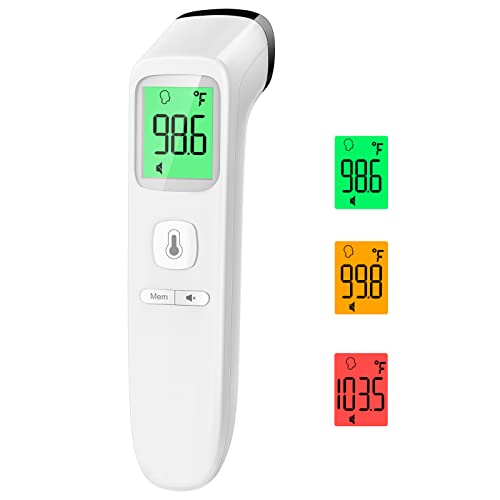
Get fast, accurate temperature readings for the whole family with this no-touch thermometer. It features both forehead and object temperature modes, with results displayed in Celsius or Fahrenheit.

Start with Short Swimming Sessions to Build Tolerance
Building your baby’s swimming tolerance requires patience and gradual progression. Starting with brief sessions prevents overwhelming your infant and creates positive water associations that’ll last a lifetime.
Begin with 10-15 Minute Sessions for Newborns
Newborns need ultra-short water exposure to prevent stress and temperature regulation issues. Your first few sessions should last just 10-15 minutes maximum. Watch for signs like blue lips, shivering, or fussiness – these indicate it’s time to exit immediately. Focus on gentle water entry and simple floating rather than structured activities during these initial sessions.
Gradually Increase Time as Baby Gets Comfortable
Add 5-10 minutes to each session once your baby shows consistent comfort signs. Look for relaxed facial expressions, calm movements, and contentment in the water before extending time. Most babies can handle 20-30 minute sessions by 3-4 months old. Never rush this progression – some infants need weeks to build tolerance while others adapt within days.
Use Gentle Introduction Techniques for First-Time Swimmers
Your baby’s first water encounter sets the foundation for their entire swimming journey. Rushing this critical moment can create lasting anxiety that takes months to overcome.
Achieve a flawless, semi-matte complexion with e.l.f. Flawless Satin Foundation. This lightweight, vegan formula provides medium coverage that blends seamlessly to improve skin tone and texture.

Enter Water Slowly While Holding Baby Securely
Step into the water first and hold your baby chest-to-chest with one arm supporting their neck and head. Lower yourself gradually into the water while maintaining eye contact and speaking softly to reassure them. This technique prevents the startle reflex that occurs when babies are lowered feet-first into unfamiliar water temperatures.
Allow Baby to Splash and Play at Water’s Edge First
Sit on the pool steps or shallow end with your baby on your lap, letting their feet dangle in the water. Encourage gentle splashing with their hands and feet while you support their torso securely. This playful introduction helps them associate water with fun rather than fear before progressing to deeper immersion.
Easily enter and exit your above-ground pool with the Confer Curve Step, supporting up to 400 lbs. It features sturdy handrails, wide steps, and adjustable base pads for stability on slightly uneven floors.

Focus on Safety Equipment and Proper Supervision
Never compromise on safety gear when your baby’s in the water. Quality equipment and vigilant supervision form your essential safety foundation.
Invest in Quality Infant Flotation Devices
Stay safe on the water with this U.S. Coast Guard-approved throwable flotation cushion. Its durable nylon shell and bright red color ensure visibility and reliable performance in emergencies.

Choose Coast Guard-approved infant life jackets over arm floaties or swim rings. Type II personal flotation devices designed for babies under 30 pounds provide proper head support and keep airways clear if your infant becomes unconscious. Arm floaties can slip off or deflate unexpectedly, creating dangerous false security that puts your baby at risk.
This clear storage bag contains four US Coast Guard-approved adult life jackets for convenient storage and boating safety. The Type II vests fit adults 90+ lbs with adjustable straps and provide essential flotation.

Maintain Constant Eye Contact and Physical Proximity
Stay within arm’s reach of your baby at all times during water activities. Your eyes should never leave your infant, even for seconds – drowning happens silently and incredibly fast. Position yourself so you can make immediate physical contact, keeping one hand free to support your baby while maintaining visual connection throughout the entire swim session.
Create a Calm and Soothing Swimming Environment
Your baby’s swimming environment directly impacts their comfort and willingness to explore the water. A peaceful atmosphere helps infants stay relaxed and builds positive water associations.
Play Soft Music or Sing Gentle Songs
Gentle melodies create familiarity in an unfamiliar environment. Soft background music or your own quiet singing provides auditory comfort that helps your baby stay calm during water activities.
Choose lullabies or nature sounds you’ve played during bath time at home. This familiar audio connection makes the pool feel less foreign and more secure for your infant.
Minimize Loud Noises and Sudden Movements
Abrupt sounds and jerky motions trigger your baby’s startle reflex in water. Keep your movements slow and deliberate while maintaining a quiet speaking voice throughout the swimming session.
Avoid splashing loudly or making quick directional changes while holding your infant. These sudden disruptions can instantly shift their mood from relaxed to anxious, ending your swim time prematurely.
Make Swimming a Bonding Experience with Your Baby
Swimming sessions offer unique opportunities to strengthen your connection with your infant while introducing them to water activities. The combination of physical closeness and shared exploration creates lasting memories that extend far beyond the pool.
Use Skin-to-Skin Contact During Water Time
Skin-to-skin contact provides immediate comfort and security for your baby during swimming sessions. Hold your infant chest-to-chest while moving through the water, allowing them to feel your heartbeat and body warmth. This position helps regulate their temperature while building trust through familiar physical connection. You’ll notice your baby relaxes more quickly when they can feel your skin against theirs.
Talk and Interact with Your Baby Throughout the Session
Maintain constant verbal communication to keep your baby engaged and reassured during water activities. Describe what you’re doing as you move through the water, using a calm and encouraging voice. Sing familiar songs or make gentle sounds that capture their attention and create positive associations with swimming. Your voice becomes an anchor of comfort that helps them feel secure in the unfamiliar aquatic environment.
Conclusion
Your baby’s swimming journey starts with these foundational steps. By implementing proper timing warm water temperatures and gradual exposure you’re building a lifetime love of water activities.
Remember that every splash and giggle during these early sessions contributes to your child’s water confidence. The patience you show now while maintaining safety standards will pay dividends as your little one grows into a confident swimmer.
Each pool session strengthens your bond while teaching essential water skills. Trust the process stay consistent with your approach and watch as your baby transforms from tentative water explorer to enthusiastic little swimmer who looks forward to every aquatic adventure.
Frequently Asked Questions
When is the best time to take my baby swimming?
Schedule swimming sessions during your baby’s most alert and happy periods, typically mid-morning or early afternoon. Avoid swimming immediately after feeding or when your baby is tired, as these conditions can lead to discomfort and create negative associations with water activities.
What temperature should the pool water be for my baby?
Pool water should be kept between 84-86°F (29-30°C) for infant comfort. This temperature range is crucial since babies lose body heat 25% faster than adults. Always test the water temperature before each session, particularly at your baby’s entry point.
How long should my baby’s first swimming sessions be?
Start with ultra-short sessions of just 10-15 minutes for newborns to prevent stress and temperature regulation issues. Watch for signs of discomfort like blue lips or shivering. Gradually increase session length by 5-10 minutes, aiming for 20-30 minute sessions by 3-4 months old.
How should I introduce my baby to water for the first time?
Enter the water slowly while securely holding your baby chest-to-chest, maintaining eye contact and speaking softly. Allow them to splash and play at the water’s edge first before progressing to deeper immersion. This prevents the startle reflex and helps create positive water associations.
What safety equipment do I need for baby swimming?
Invest in Coast Guard-approved infant life jackets rather than arm floaties or swim rings, which can create false security. Maintain constant eye contact and stay within arm’s reach at all times, as drowning can occur silently and quickly.
How can I create a calming swimming environment for my baby?
Play soft music or sing gentle songs to provide auditory comfort. Minimize loud noises and sudden movements that can trigger your baby’s startle reflex. Use slow, deliberate movements to help your baby stay relaxed and enjoy the swimming experience.
Why is early water introduction important for babies?
Early water introduction fosters confidence and creates positive associations with swimming. It enhances parent-child bonding through skin-to-skin contact and provides valuable developmental experiences that teach essential water safety skills while building comfort in aquatic environments.