7 Swim Stroke Improvement Techniques Pro Athletes Swear By
Master 7 essential swim techniques to boost speed & efficiency. Learn proper body position, breathing, stroke mechanics & training methods for better performance.
Your swimming technique could be holding you back from reaching your full potential in the pool. Whether you’re a beginner struggling with basic strokes or an experienced swimmer looking to shave seconds off your time, mastering proper technique is the key to faster and more efficient swimming.
Small adjustments to your stroke mechanics can deliver dramatic improvements in speed, endurance, and overall performance. The seven techniques we’ll cover target the most common mistakes swimmers make and provide actionable solutions you can implement immediately.
Ready to transform your swimming? These proven methods will help you swim smarter, not just harder.
Disclosure: As an Amazon Associate, this site earns from qualifying purchases. Thank you!
Master Your Body Position for Better Hydrodynamics
Your body position in the water determines how efficiently you’ll cut through it. Think of yourself as a torpedo – the more streamlined you are, the less energy you’ll waste fighting against drag.
Maintain a Neutral Head Position
Keep your head aligned with your spine by looking straight down at the pool bottom. When you lift your head to breathe or look forward, your hips drop and create drag. Practice breathing to the side while keeping one eye underwater to maintain proper alignment.
Keep Your Hips High in the Water
Your hips should float near the surface, not sink toward the bottom. Press your chest down slightly to lift your hips naturally – this creates a balanced body position. If your legs drag, focus on engaging your core and maintaining forward momentum through consistent stroke rhythm.
Engage Your Core for Stability
Tighten your abdominal muscles like you’re bracing for a punch to create a solid connection between your upper and lower body. This prevents your body from fishtailing side to side with each stroke. Strong core engagement also helps transfer power from your torso to your arms more efficiently.
Perfect Your Breathing Technique and Timing
Breathing inefficiency kills more swimming workouts than poor stroke mechanics. You’ll struggle to maintain consistent pace and find yourself gasping for air if you haven’t mastered the fundamental breathing patterns that support your stroke rhythm.
Develop Bilateral Breathing Patterns
Bilateral breathing creates stroke balance and prevents muscle imbalances. Practice breathing every three strokes to alternate sides, which helps you maintain straight swimming lines and develop equal strength on both sides of your body. Start with shorter distances and gradually increase as this pattern becomes natural.
Practice Exhaling Underwater
Continuous underwater exhalation prevents CO2 buildup and reduces breathing panic. Release air steadily through your nose while your face is submerged, creating a gentle stream of bubbles. This technique ensures you’re ready for a quick, efficient inhale when you rotate to breathe.
Coordinate Breath Timing with Stroke Rhythm
Proper breath timing synchronizes with your stroke’s natural rotation phases. Begin your breath as your pulling arm starts its catch phase, allowing your body’s rotation to naturally lift your mouth above water. Complete your inhale before your arm finishes the pull, then return your head to neutral position as you begin the next stroke cycle.
Strengthen Your Catch and Pull Mechanics
Your pull phase generates the majority of your forward propulsion, making it the most critical component of efficient swimming. Mastering these mechanics transforms your entire stroke from energy-wasting flailing into powerful, purposeful movement.
Focus on High Elbow Catch Position
You’ll maximize water displacement by keeping your elbow higher than your hand during the catch. Picture your forearm as a paddle that grabs the water while your elbow stays locked in position above it. This technique engages your lats and core muscles instead of relying solely on smaller shoulder muscles, preventing fatigue and injury while increasing power output significantly.
Maximize Your Pull Through Phase
You should accelerate your hand speed as it moves from chest to hip during the pull phase. Start slowly at the catch, then gradually increase velocity until your hand exits the water at maximum speed near your thigh. This acceleration pattern mimics the most efficient propulsion mechanics and helps you maintain momentum throughout each stroke cycle.
Improve Hand Entry Technique
You’ll reduce drag by entering the water fingertips-first at a 45-degree angle about 12 inches in front of your shoulder. Your hand should slice through the surface like a knife rather than slapping down flat, which creates turbulence and wastes energy. Keep your wrist straight and fingers slightly apart to create a larger surface area for the upcoming catch phase.
Optimize Your Kick Technique for Propulsion
Your kick generates up to 15% of your forward propulsion, but most swimmers waste this power through inefficient technique. Proper kicking mechanics complement your stroke rhythm rather than fighting against it.
Develop a Consistent Flutter Kick
Flutter kick efficiency comes from your hips, not your knees. Keep your legs relatively straight with slight knee bend, initiating movement from your core and hip flexors.
Your kick should create a narrow flutter pattern approximately 12-18 inches from top to bottom. Focus on pointed toes and relaxed ankles to maximize propulsion while minimizing drag resistance.
Practice Kick Drills for Timing
Kickboard drills help you isolate and perfect your flutter kick mechanics. Practice 6-beat kick patterns (six kicks per arm cycle) to establish consistent rhythm and timing.
Try vertical kicking in deep water for 30-second intervals. This drill forces proper hip-driven motion and builds the core strength necessary for maintaining kick efficiency during full stroke swimming.
Balance Kick Strength with Stroke Rhythm
Your kick should complement your arm stroke without overwhelming it. Strong kickers often over-kick, creating unnecessary turbulence and wasting energy that could power their pull phase.
Match your kick intensity to your swimming pace. During distance swimming, use a gentle 2-beat kick to maintain body position. Reserve powerful 6-beat kicking for sprint intervals and race finishes.
Enhance Your Stroke Rate and Timing
Your stroke rate and timing determine whether you’re swimming efficiently or just churning through water. Mastering these elements transforms your swimming from exhausting to effortless.
Find Your Optimal Stroke Tempo
Count your strokes per minute during easy swimming to establish your baseline tempo. Most efficient swimmers maintain 50-70 strokes per minute, but your ideal rate depends on your stroke length and body mechanics. Use a tempo trainer or waterproof metronome to practice consistent timing until it becomes natural.
Improve your golf swing tempo and build muscle strength with this training aid. The weighted head and flexible shaft promote proper weight transfer and body alignment for a more powerful, controlled swing.


Practice Distance Per Stroke Drills
Track how many strokes you take per pool length to measure your stroke efficiency. Aim to reduce stroke count while maintaining speed by extending your reach and improving your catch. Practice golf drills where you count total strokes for multiple lengths, trying to achieve your lowest score consistently.
Coordinate Arms and Legs for Efficiency
Synchronize your kick timing with your arm strokes to maximize propulsion without wasting energy. Most efficient swimmers use a 2-beat or 6-beat kick pattern that complements their stroke rhythm. Practice one-arm drills to feel how your kick naturally supports each arm’s pull phase and breathing pattern.
Build Endurance Through Progressive Training
Building swimming endurance requires a systematic approach that challenges your cardiovascular system while maintaining proper technique. Progressive training allows you to gradually increase your capacity without compromising stroke mechanics.
Implement Interval Training Sessions
Interval training builds both aerobic and anaerobic capacity by alternating between high-intensity efforts and recovery periods. Start with 50-meter intervals at 80% effort with 15-second rest between repeats. Gradually increase distance to 100-meter intervals while maintaining consistent stroke technique throughout each set.
Focus on Technique During Long Sets
Long continuous swims develop aerobic endurance while reinforcing proper stroke mechanics under fatigue. Swim 800-1200 meter sets at 70% effort while concentrating on maintaining streamlined body position and efficient catch mechanics. Count your strokes per length to ensure technique doesn’t deteriorate as you tire.
Use Pull Buoys and Kickboards for Isolation
Improve your body position and build upper body strength with the Speedo Pull Buoy. Its soft, durable EVA foam construction helps elevate hips and legs, allowing you to focus on stroke technique.
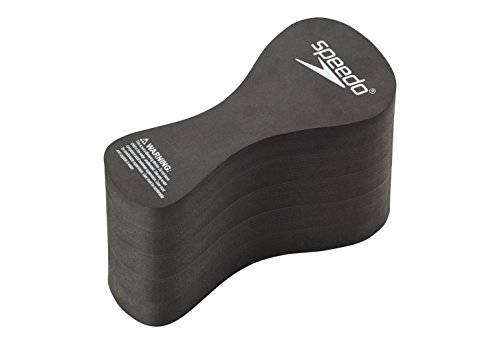
Training equipment isolates specific muscle groups to build targeted endurance without compromising overall stroke development. Pull buoys between your legs force your upper body to work harder while kickboards develop leg strength and timing. Alternate between 200-meter pull sets and 100-meter kick sets during endurance workouts.
Analyze and Refine Your Technique Regularly
Consistent technique analysis transforms good swimmers into great ones. Regular assessment helps you identify inefficiencies before they become ingrained habits.
Record Underwater Video for Self-Assessment
Underwater video reveals stroke flaws that feel invisible during swimming. You’ll spot hand positioning errors, body rotation issues, and timing problems that mirrors can’t show.
Mount your phone in a waterproof case or use an underwater camera to capture your stroke from multiple angles. Review footage in slow motion to identify specific areas needing improvement.
Capture stunning 4K video and 20MP photos with the AKASO EK7000 action camera. Its Electronic Image Stabilization (EIS) ensures smooth footage, and the included waterproof case protects it up to 131ft underwater.

Work with a Qualified Swim Coach
Professional coaching accelerates improvement through expert technique analysis and personalized correction strategies. A qualified coach spots subtle inefficiencies you’ll miss and provides immediate feedback.
Schedule monthly technique sessions even if you swim independently. Coaches offer objective assessments and introduce progressive drills that target your specific weaknesses systematically.
Practice Specific Stroke Correction Drills
Targeted drills isolate problematic stroke elements for focused improvement. Single-arm freestyle exposes timing issues while catch-up drills improve hand entry and rotation coordination.
Dedicate 20% of each practice session to correction drills addressing your identified weaknesses. Repeat drills consistently until proper mechanics become automatic muscle memory.
Conclusion
Implementing these seven swim stroke improvement techniques will transform your performance in the pool. Remember that consistency beats perfection â focus on mastering one technique at a time rather than overwhelming yourself with too many changes at once.
Your swimming journey is unique and progress happens at different rates for everyone. Some techniques might click immediately while others require weeks of dedicated practice. Stay patient with the process and celebrate small victories along the way.
The key to lasting improvement lies in making these techniques second nature through regular practice. Set aside time during each swim session to work on specific areas and don’t hesitate to revisit fundamentals when you feel your form slipping.
Start incorporating these strategies into your next workout and watch as your efficiency speed and confidence in the water reach new heights.
Frequently Asked Questions
What is the most important aspect of swimming technique for beginners?
Body position is the foundation of efficient swimming. Maintain a neutral head position by looking straight down at the pool bottom, keep your hips high in the water, and engage your core muscles for stability. This torpedo-like position reduces drag and improves hydrodynamics, making every stroke more effective.
How can I improve my breathing technique while swimming?
Develop bilateral breathing patterns by breathing on both sides to maintain balance and prevent muscle imbalances. Practice exhaling underwater to reduce panic, and coordinate your breath timing with your stroke rhythm. Inhale as your pulling arm begins the catch phase for optimal timing.
What is the proper hand entry technique for freestyle swimming?
Enter the water fingertips-first at a 45-degree angle to minimize drag. Focus on a high elbow catch position to maximize water displacement and engage larger muscle groups. This technique improves your pull mechanics and overall stroke efficiency.
How much propulsion does the kick contribute to swimming speed?
A swimmer’s kick can generate up to 15% of forward propulsion. Proper kicking mechanics should complement your stroke rhythm rather than work independently. Practice kick drills to improve timing and develop core strength for better overall coordination.
What is the optimal stroke rate for efficient swimming?
The optimal stroke tempo typically ranges between 50-70 strokes per minute, depending on your skill level and swimming goals. Use a tempo trainer to practice maintaining consistent rhythm and focus on quality over quantity to improve efficiency.
How can I build swimming endurance effectively?
Use progressive interval training starting with 50-meter intervals at 80% effort, gradually increasing to 100-meter intervals. Incorporate long sets of 800-1200 meters at 70% effort to reinforce proper technique under fatigue while building cardiovascular endurance.
What’s the best way to analyze and improve my swimming technique?
Record underwater video for self-assessment to identify stroke flaws not visible during swimming. Work with a qualified swim coach for expert feedback and personalized corrections. Dedicate time in each practice session to specific stroke correction drills.
Should I use training equipment to improve my swimming?
Yes, training equipment like pull buoys and kickboards can isolate specific muscle groups and enhance targeted endurance. However, use them strategically to complement your training without compromising overall stroke development or becoming overly dependent on them.