7 Key Differences: Floating Docks vs Fixed Docks For Any Water Conditions
Discover the 7 crucial differences between floating and fixed docks to make the right choice for your waterfront property based on water conditions, budget, and intended use.
When it’s time to install a dock at your waterfront property, you’ll face a crucial decision: floating or fixed. Each option offers distinct advantages depending on your specific needs, local water conditions, and how you plan to use your waterfront space.
Understanding the key differences between floating docks and fixed docks can save you thousands of dollars and years of maintenance headaches. From water level adaptability to installation complexity, these seven critical distinctions will help you make the most informed choice for your waterfront investment.
Disclosure: As an Amazon Associate, this site earns from qualifying purchases. Thank you!
What Are Floating Docks and Fixed Docks?
Build your own floating dock or swim platform with this complete 4'x8' Patriot Docks section. Features durable aluminum decking and foam-filled floats with a 413 lbs buoyancy rating each.


Defining Floating Dock Systems
Floating docks are platforms that rest on the water’s surface using buoyant materials like plastic, foam, or air-filled chambers. They rise and fall with water levels, making them ideal for areas with significant tidal changes or fluctuating water depths. These systems are typically anchored using chains, cables, or poles that allow vertical movement while maintaining horizontal position.
Understanding Fixed Dock Structures
Fixed docks are permanent structures built on pilings or supports that extend into the lakebed or seabed. These docks remain at a constant height regardless of water level changes, providing stable platforms in consistent water conditions. The foundation typically consists of concrete footings, wooden posts, or metal pilings driven deep into the underwater terrain for maximum stability.
Difference 1: Installation and Construction Methods
When choosing between dock types, understanding the installation processes is crucial as they significantly impact cost, timeline, and long-term maintenance requirements.
Floating Dock Installation Process
Floating docks feature a modular installation process that’s typically faster and less invasive. You’ll need floating elements (pontoons, drums, or air-filled compartments), a frame structure, and decking materials. The entire assembly can often be completed in 1-3 days without specialized heavy equipment, making it a DIY-friendly option for many waterfront property owners.
Fixed Dock Building Requirements
Fixed docks demand more intensive construction methods and usually require permits before building begins. You’ll need to drive pilings or posts deep into the lakebed or seabed—often necessitating specialized equipment like pile drivers. The process typically involves concrete footings, significant excavation work, and structural engineering considerations, resulting in construction timelines of 1-2 weeks or longer.
Difference 2: Adaptability to Water Level Changes
How Floating Docks Move With Water Levels
Floating docks rise and fall naturally with changing water levels, maintaining a consistent height relative to the water’s surface. This self-adjusting feature eliminates accessibility issues during tidal shifts or seasonal fluctuations. Owners never need to worry about their dock becoming submerged or suspended too high above the water, making boarding boats safer and more convenient year-round.
Fixed Docks and Seasonal Water Fluctuations
Fixed docks maintain a constant elevation regardless of water level changes, creating potential access challenges during extreme conditions. During droughts, the distance between the dock and water surface can increase significantly, sometimes requiring additional ladders for boat access. Conversely, during flooding or high-water periods, fixed docks may become partially or completely submerged, rendering them temporarily unusable.
Difference 3: Maintenance Requirements and Longevity
Floating Dock Upkeep Essentials
Floating docks typically require regular inspection of flotation components every 3-6 months. You’ll need to check connecting hardware, hinges, and gangways for corrosion, especially in saltwater environments. Most floating systems need component replacement every 15-20 years, though high-quality polyethylene floats can last 25+ years with proper maintenance. The modular design allows for replacing individual damaged sections without disrupting the entire structure.
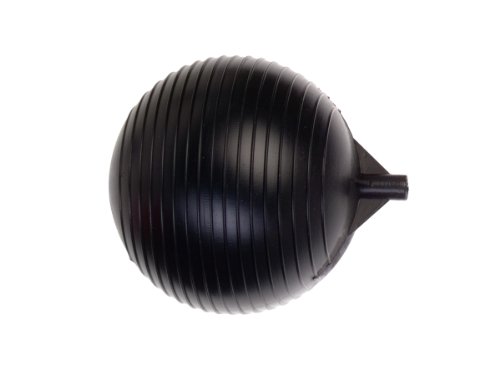
This 6" polyethylene float ball is ideal for 3/8" to 1" inlet float valves. Its one-piece molded design and chemical resistance ensure reliable, leak-free performance.
Fixed Dock Maintenance Considerations
Fixed docks demand vigilant structural inspections, particularly of submerged pilings which can suffer from wood rot, marine borers, or metal corrosion. You’ll face more extensive repairs when issues arise, often requiring specialized contractors and equipment. While initial maintenance might seem minimal, fixed docks typically need major overhauls every 10-15 years in harsh environments. The longevity advantage comes in freshwater locations with minimal ice damage, where well-built fixed docks can last 30+ years.
Difference 4: Cost Factors and Initial Investment
When evaluating dock options, understanding the financial implications of each type can significantly impact your decision. Both initial costs and long-term financial considerations vary substantially between floating and fixed docks.
Floating Dock Price Points
Floating docks typically cost $20-$30 per square foot for standard configurations, with premium materials reaching $50-$70 per square foot. A 10′ x 20′ floating dock averages $4,000-$6,000 for basic models, while modular systems allow for phased investment—starting small and expanding later as your budget permits.
Fixed Dock Construction Expenses
Fixed docks command higher initial investments, ranging from $50-$100+ per square foot due to intensive labor and material requirements. A standard 10′ x 20′ permanent dock typically costs $10,000-$20,000, with deeper water installations often exceeding $25,000. Pilings alone can cost $150-$300 each, with most installations requiring 6-12 pilings depending on water depth and dock size.
Difference 5: Environmental Impact and Permits
Floating Dock Ecological Considerations
Floating docks typically create less environmental disruption during installation than fixed alternatives. They don’t require dredging or extensive seabed modification, minimizing habitat disturbance for aquatic plants and animals. Most floating systems use environmentally friendly materials like polyethylene or aluminum that don’t leach harmful chemicals into the water. Permitting for floating docks is often streamlined, with approvals typically processed within 2-4 weeks in most jurisdictions.
Enhance your aquarium with Hornwort Coontail, a low-maintenance plant that oxygenates water and removes excess nitrates. Its vibrant green foliage provides natural hiding spots for aquatic life, promoting a healthy ecosystem.

Fixed Dock Environmental Regulations
Fixed docks face stricter environmental scrutiny due to their permanent impact on aquatic ecosystems. The installation process disturbs the lakebed or seabed significantly, potentially disrupting natural habitats and affecting local wildlife. Permit applications for fixed docks typically require environmental impact assessments and can take 2-3 months or longer for approval. Many coastal areas and protected waterways have established specific restrictions on fixed dock construction to preserve sensitive ecological zones.
Difference 6: Stability and Safety Features
Floating Dock Movement and Stability
Floating docks naturally move with water conditions, creating a noticeable rocking sensation during wave action. This movement can be challenging for those with balance issues or during high-traffic situations. High-quality floating systems with wave attenuators can reduce motion by up to 60%, but some movement will always exist, especially in open water locations with larger waves.
Fixed Dock Strength and Security
Fixed docks provide exceptional stability with virtually no movement, offering a land-like experience even in choppy water conditions. Their rigid structure supports heavier loads (typically 100+ pounds per square foot) compared to floating alternatives. This unwavering stability makes fixed docks preferable for elderly users, businesses handling heavy equipment, and locations with significant wave action where safety is paramount.
Difference 7: Usage and Application Suitability
The final critical distinction between floating and fixed docks lies in their ideal usage scenarios and specific applications where each type excels.
Best Scenarios for Floating Docks
Floating docks shine in locations with significant water level fluctuations, making them perfect for coastal areas with tidal changes or reservoirs with seasonal drawdowns. They’re ideal for rental properties where quick installation and potential relocation are valuable. Recreational boaters particularly benefit from their consistent water-level access, especially with smaller watercraft like kayaks, canoes, and personal watercraft that require easy boarding.
Ideal Applications for Fixed Docks
Fixed docks excel in areas with minimal water level changes and moderate-to-severe wave action, such as large lakes or protected ocean bays. They’re the superior choice for commercial applications including marinas, fishing charters, and boat rental businesses that require maximum stability for customer safety. Property owners planning permanent waterfront structures with utilities, lighting systems, or who need to accommodate heavier watercraft exceeding 30 feet will find fixed docks provide the necessary structural integrity.
Choosing Between Floating and Fixed Docks: Final Considerations
Your perfect dock depends on your specific waterfront conditions and personal needs. Floating docks offer flexibility with water level changes and easier installation at a lower cost but sacrifice some stability. Fixed docks provide unmatched stability and longevity but require higher investment and face more complex permitting.
Consider your local water conditions carefully – tidal changes favor floating options while calm waters with minimal fluctuation might warrant fixed structures. Also evaluate your budget constraints against long-term plans for your waterfront property.
Remember that hybrid solutions exist too combining the benefits of both dock types. Whether you prioritize adaptability or stability your dock choice should ultimately enhance your waterfront experience for years to come.
Frequently Asked Questions
What is the main difference between floating and fixed docks?
Floating docks rest on the water’s surface using buoyant materials and move vertically with changing water levels. Fixed docks are permanent structures anchored to the lake or seabed with concrete footings, wooden posts, or metal pilings, maintaining a constant height regardless of water level changes.
How long does it take to install each type of dock?
Floating docks typically have a faster installation process, usually completed in 1-3 days without specialized equipment, making them DIY-friendly. Fixed docks require more intensive construction, including driving pilings into the lakebed, often necessitating permits and specialized equipment, with timelines of 1-2 weeks or more.
Which dock type is better for areas with significant water level changes?
Floating docks are ideal for areas with significant water level fluctuations. They rise and fall naturally with the water, maintaining a consistent height relative to the water’s surface. This eliminates accessibility issues during tidal shifts or seasonal changes, ensuring safer and more convenient boat boarding year-round.
How do maintenance requirements compare between the two dock types?
Floating docks require inspections every 3-6 months and component replacement every 15-20 years. Their modular design allows for replacing individual damaged sections. Fixed docks need vigilant structural inspections, particularly of submerged pilings, and often require major overhauls every 10-15 years in harsh environments, though they can last 30+ years in favorable conditions.
What’s the cost difference between floating and fixed docks?
Floating docks typically cost $20-$30 per square foot for standard configurations, with premium options reaching $50-$70. A 10’x20′ floating dock averages $4,000-$6,000. Fixed docks require higher initial investments of $50-$100+ per square foot, with a standard 10’x20′ dock costing $10,000-$20,000, and deeper water installations exceeding $25,000.
Which dock type has less environmental impact?
Floating docks generally create less environmental disruption as they don’t require dredging or extensive seabed modification. They minimize habitat disturbance for aquatic life and often use eco-friendly materials. Permitting is typically streamlined (2-4 weeks). Fixed docks face stricter regulations due to their permanent ecosystem impact, requiring environmental assessments and longer approval times (2-3+ months).
How does stability compare between floating and fixed docks?
Floating docks move with water conditions, creating a rocking sensation that may challenge those with balance issues. Even high-quality systems with wave attenuators will have some movement. Fixed docks provide exceptional stability with virtually no movement, offering a land-like experience even in choppy conditions. They support heavier loads (100+ pounds per square foot) and are safer in significant wave action.
Which dock type is best for commercial applications?
Fixed docks excel for commercial applications like marinas and fishing charters. Their sturdy construction supports heavier loads, accommodates larger watercraft, and allows for permanent utilities. They’re ideal for businesses handling heavy equipment and situations requiring maximum stability. Floating docks are better suited for recreational use and locations with significant water level changes.