
8 Essential Water Safety Gear Items for Lake Swimming
Stay safe during your next swim with our guide to 8 essential water safety gear items for lake swimming. Pack your bag and enjoy the water with confidence today.
Standing on the edge of a vast, glass-like lake on a quiet morning offers an unmatched sense of freedom for open-water swimmers. However, beneath that serene freshwater surface lie unpredictable currents, sudden temperature drops, and motorized boat traffic that can quickly turn a peaceful dip into a survival situation. Equipping yourself with the right safety gear ensures that you remain visible, buoyant, and fully prepared for whatever the lake throws your way.
Disclosure: As an Amazon Associate, this site earns from qualifying purchases. Thank you!
Why Lake Swimming Requires Specialized Safety Gear
Lakes present a completely different environment than the controlled confines of a backyard or community swimming pool. Murky water significantly reduces underwater visibility, making it difficult to spot submerged hazards like logs, sharp rocks, or sudden drop-offs. Furthermore, lakes are subject to rapid temperature shifts, where a warm surface layer can suddenly give way to bone-chilling thermoclines that cause immediate muscle cramping.
Unlike pools with clear lane lines and lifeguards just feet away, lake swimming often involves sharing the water with motorized boats, jet skis, and windsurfers. Motorized boaters frequently struggle to see a low-profile swimmer’s head bobbing in the chop, especially during early morning or late afternoon glare. Having specialized gear is not about doubting your swimming ability, but about ensuring you can be seen and rescued if conditions change.
Additionally, wind can whip up choppy waves in minutes, creating unexpected currents that drain your energy rapidly. Without a way to rest or signal for help, fatigue can quickly escalate into panic in deep water. Specialized safety gear bridges the gap between self-reliance and external rescue, allowing you to enjoy the water with confidence.
Swim Buoy – New Wave Inflatable Swim Buoy
A swim buoy is the single most important visibility aid for any open-water swimmer. Towed behind you on a lightweight waist belt, it floats effortlessly on the water’s surface, serving as a bright beacon for oncoming boaters, paddlers, and shore-based spotters. In moments of fatigue, leg cramps, or sudden panic, it also serves as a temporary flotation device to hang onto while you catch your breath.
The New Wave Inflatable Swim Buoy stands out for its heavy-duty PVC construction and dual-chamber inflation design. Its ultra-bright color options—such as neon yellow, pink, and orange—ensure high visibility even in choppy, dark lake water. The buoy features a built-in dry storage compartment, allowing you to keep keys, phones, and ID safe and dry while you swim.
- Material: Eco-friendly PVC
- Capacity Options: 15 Liters or 20 Liters
- Key Feature: Dual-chamber safety system with dry storage
Before heading out, ensure the waist strap is adjusted tightly enough to stay in place without restricting your breathing or swim stroke. Regularly rinse the valves to clear out lake silt, which can cause slow air leaks over time. It is crucial to remember that this buoy is a swimming aid, not a Coast Guard-approved personal flotation device (PFD) designed to keep an unconscious person afloat.
This buoy is ideal for solo swimmers, triathletes, and anyone crossing active boating channels. It is not suitable for small children or weak swimmers who require constant, certified flotation support.
Life Jacket – Onyx Movement Dynamic Paddle Vest
While a swim buoy provides excellent visibility, some lake conditions or local regulations require a dedicated, wearable personal flotation device (PFD). A traditional life jacket can be too bulky, restricting your arm movement and ruining your swim stroke. A specialized, low-profile vest keeps you safe without locking up your shoulders.
The Onyx Movement Dynamic Paddle Vest is designed with large armholes and a high-back profile that accommodates the repetitive motion of swimming and paddling. Constructed from heavy-duty 200-denier nylon, it offers excellent tear resistance while remaining remarkably lightweight. The soft flotation foam contours to your body, minimizing the annoying riding-up effect common in generic life jackets.
- Material: 200-Denier Nylon Oxford
- USCG Rating: Type III PFD
- Key Feature: High-back design with mesh lower for seat and movement clearance
When fitting this vest, adjust the side straps first, then the shoulder straps, ensuring a snug fit that does not restrict deep inhalation. Air dry this PFD out of direct sunlight after each use to prevent the internal foam from degrading. Because it is a Type III vest, it will not automatically turn an unconscious swimmer face-up, meaning it requires active participation from the wearer.
This vest is perfect for long-distance lake swimmers who also paddleboard or kayak, providing dual-purpose safety. It is not intended for high-speed motorized water sports like tubing or water skiing, which require high-impact-rated jackets.
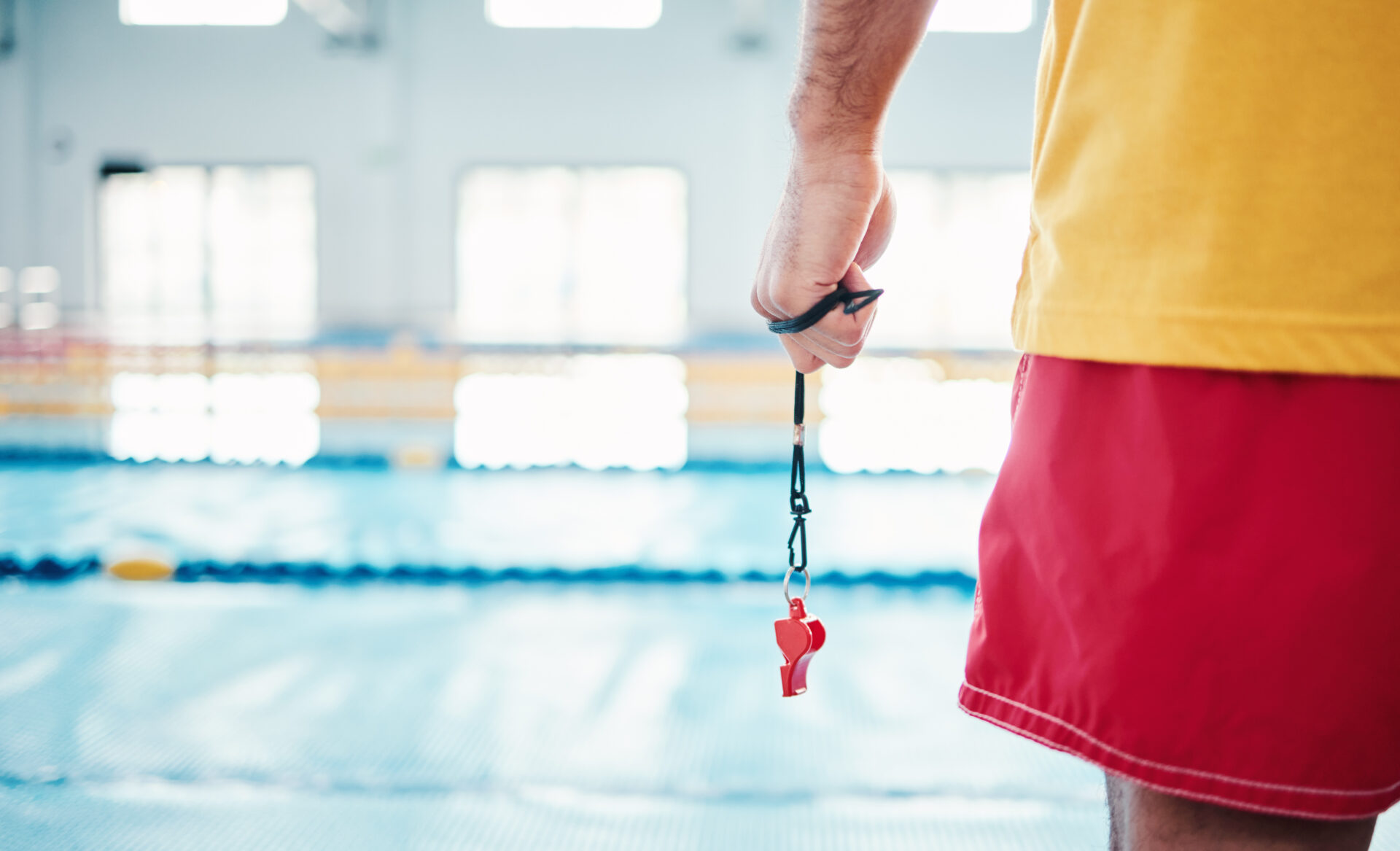
Safety Whistle – Fox 40 Classic Pealess Whistle
In a lake emergency, your voice is rarely enough to cut through the sound of wind, waves, and distant boat motors. A high-decibel safety whistle provides a piercing sound that can carry for miles across open water, quickly alerting rescue crews or nearby boaters to your location. It requires minimal physical effort to blow, preserving your energy when you are fatigued or cold.
The Fox 40 Classic Pealess Whistle is the gold standard for marine safety due to its patented three-chamber pealess design. Traditional whistles rely on a small cork pea inside, which can swell, rot, or get stuck when wet, rendering the whistle useless. The Fox 40 has no moving parts to fail, meaning it will clear itself of water instantly and perform flawlessly in any weather condition.
- Sound Output: 115 decibels
- Design: Pealess, injection-molded plastic
- Key Feature: Works wet or dry, cannot be overblown
Attach this whistle directly to the zipper pull of your PFD or the waist strap of your swim buoy using a small marine-grade lanyard. Practice locating and using the whistle blindly so you can find it instantly in low-visibility or high-stress situations. Ensure you rinse it occasionally to clear out any sand or lake debris that could block the sound chambers.
Swim Cap – Zone3 Neoprene High-Visibility Cap
Heat escapes rapidly through your head when swimming in deep, spring-fed lakes, which can lead to early-onset hypothermia even in late spring. A high-quality swim cap serves a dual purpose: retaining vital body heat and making your head highly visible to boats as it cuts through the water. Standard silicone caps offer visibility but fail miserably at thermal protection.
The Zone3 Neoprene High-Visibility Cap combines high-performance thermal insulation with an eye-catching, high-vis orange color scheme. Crafted from premium 4mm neoprene, it features an under-chin strap that keeps the cap securely anchored during rough water starts or heavy chop. The hydrodynamic design minimizes drag while protecting your ears from cold water flushing.
- Material: 4mm high-stretch neoprene
- Closure: Built-in chin strap
- Key Feature: High-visibility color paneling with thermal lining
Finding the right fit is essential, as a cap that is too tight can cause headaches, while one that is too loose will trap water and lose its insulating properties. Put the cap on by holding it at the sides, stretching it gently over your forehead, and pulling it down over your ears before securing the chin strap. Neoprene requires careful rinsing in fresh water and should never be dried on a heater or in direct sunlight, which ruins the rubber.
This cap is a must-have for shoulder-season swimmers and those tackling deep, cold lakes. It is not suitable for warm, shallow summer lakes, where it can easily cause overheating.
Water Shoes – Astral Loyak Outdoor Water Shoes
Entering and exiting natural lakes often requires navigating slippery clay, sharp rocks, submerged branches, or invasive zebra mussel shells. Bare feet are highly vulnerable to deep cuts and infections from lake bacteria, which can ruin a swim before it even starts. A specialized water shoe protects your feet during entry without acting like heavy anchors once you start swimming.
The Astral Loyak Outdoor Water Shoes offer the perfect balance of robust protection, exceptional grip, and low-profile design. Featuring a high-performance Flex-Grip outsole made from G.15 rubber, these shoes stick to wet, slimy boat ramps and rocks with ease. The durable canvas upper sheds water instantly through drainage holes at the toe and heel, ensuring they do not drag down your swim stroke.
- Outsole: Flex-Grip G.15 high-friction rubber
- Upper Material: Hydrophobic canvas with Cordura reinforcements
- Key Feature: Level footbed (zero-drop) for natural stability
Because these shoes are designed to be worn barefoot, sizing is critical to prevent blisters; select a snug fit that keeps your foot from sliding inside the shoe when wet. After swimming, loosen the laces completely and remove the insoles to allow them to dry thoroughly, preventing odor and mold growth.
These shoes are perfect for swimmers who must trek over rough shoreline terrain to reach their entry points. They are not intended for competitive pool racers who require bare feet for optimal wall turns and starts.
First Aid Kit – Adventure Medical Kits Marine 200
Shorelines and remote lake beaches are far from medical clinics, making a localized first aid kit an absolute necessity for any lakeside outing. Minor injuries like fishhook punctures, cuts from submerged glass, and insect stings require immediate treatment to prevent infection from freshwater pathogens. Having a kit specifically tailored for wet environments ensures your medical supplies remain dry and usable.
The Adventure Medical Kits Marine 200 is housed in a rugged, 100% waterproof dry bag that floats, keeping your medical supplies bone-dry even if dropped in the lake. The kit is thoughtfully organized by injury type, allowing you to quickly find antiseptic wipes, sterile bandages, or wound care supplies during a stressful moment. It includes specialized marine treatments for burns, stings, and lacerations that standard household kits omit.
- Packaging: Waterproof, roll-top dry bag
- Capacity: Designed for trips lasting 1 to 2 days
- Key Feature: Marine-specific medical supplies with easy-to-use injury guides
Check the kit before every season to replace expired medications and ensure no moisture has breached the inner packaging. Keep the kit easily accessible near your shoreline setup or on your support paddleboard, rather than buried deep inside a gear duffel.
This kit is ideal for families, swim coaches, and solo adventurers who swim in remote lake locations. It is not intended for long-term offshore marine expeditions, which require more advanced surgical and trauma equipment.
Rescue Throw Bag – NRS Standard Rescue Throw Bag
If a swimming partner or a bystander struggles in deep water, swimming out to rescue them should always be a last resort, as a panicking swimmer can easily drag a rescuer under. A rescue throw bag allows you to safely assist a struggling swimmer from the safety of the shore, a dock, or a support kayak. It is a fundamental tool for any lake safety plan.
The NRS Standard Rescue Throw Bag features a durable Cordura bag packed with 75 feet of high-tensile, 3/8-inch polypropylene rope that floats on the surface for easy visibility. The bag utilizes a foam floatation collar to keep it on the surface where a struggling swimmer can easily grab it. Its bright orange color makes it highly visible in low light or choppy lake conditions.
- Rope Length: 75 feet of floating polypropylene
- Tensile Strength: 1,900 lbs
- Key Feature: Quick-release buckle with mesh panels for fast drying
Using a throw bag requires practice; you must learn to throw past the victim rather than directly at them, letting the rope drape across their shoulders. When repacking the bag, never coil the rope, but instead stuff it back into the bag handful by handful to ensure it deploys smoothly without knotting on the next throw.
This tool is essential for swim spotters, kayakers, and lakeside property owners. It is not a toy, nor is it suitable for towing boats or heavy marine salvage operations.
Swim Goggles – Aqua Sphere Kayenne Polarized Goggles
Lake swimming requires constant navigation, known as “sighting,” to keep yourself on course and avoid boat traffic or shallow areas. Standard pool goggles have narrow lenses and clear glass, which can lead to severe eye strain from surface glare and a limited field of view. Specialized open-water goggles solve these issues, protecting your eyes while keeping you oriented.
The Aqua Sphere Kayenne Polarized Goggles feature oversized, curved lenses that provide an expansive 180-degree field of vision, allowing you to sight landmarks without breaking your swim rhythm. The polarized lenses filter out the intense solar glare bouncing off the lake’s surface, reducing eye fatigue and improving depth perception. Built with a leak-resistant Softeril skirt, they provide a comfortable, watertight seal that lasts for miles.
- Lens Type: Polarized, curved polycarbonate
- Seal Material: Hypoallergenic Softeril
- Key Feature: One-touch, Quick-Fit Buckle for easy strap adjustment
To prevent fogging, avoid touching the inside of the lenses with your fingers, as this rubs off the protective anti-fog coating. If the goggles leak, adjust the nose bridge or strap tension rather than overtightening them, which can cause discomfort around your eye sockets.
These goggles are perfect for open-water swimmers, triathletes, and recreational lake explorers who swim during peak daylight hours. They are not ideal for indoor pool swimming or night swims, where the polarized tint will make the environment too dark.
How to Assess Open Water Conditions Before Swimming
Before dipping a toe in the water, a thorough safety assessment of the lake and weather conditions is vital. Start by analyzing the local weather forecast, paying close attention to wind speed, wind direction, and any incoming storm fronts or lightning risks. High winds can turn a calm lake into a washing machine of choppy waves and create powerful undercurrents near drop-offs and narrow channels.
Next, scan the physical water environment for hazards such as active boat lanes, fishing lines, and underwater vegetation. Thick weeds and milfoil can entangle a swimmer’s limbs, causing panic and exhaustion if you swim directly through them. Check for water clarity and watch out for bright green or blue-green algal blooms, which contain harmful toxins that can cause skin rashes, illness, or worse.
Finally, plan your exact entry and exit points before entering the water, keeping in mind that wind and currents can push you far off course. Choose a landmark on the shore, such as a tall tree or a bright building, to use as a sighting reference during your swim. Having a clear plan of action allows you to navigate the lake safely and avoid unexpected physical exertion.
Cleaning and Storing Your Safety Gear After Use
Freshwater lakes are teeming with organic matter, bacteria, silt, and sometimes invasive species like zebra mussels or Eurasian watermilfoil. Failing to clean your gear after a swim can ruin expensive materials, cause unpleasant odors, and inadvertently spread invasive species to other water bodies. Proper maintenance begins the moment you step out of the lake.
Always rinse all your safety gear—including your PFD, swim buoy, goggles, and water shoes—in clean, fresh tap water as soon as possible. Gently scrub away any visible mud, silt, or algae, paying close attention to zippers, buckles, and inflation valves where grit can accumulate. Hang all items to air dry in a well-ventilated, shaded area out of direct sunlight, as UV rays break down synthetic fabrics and neoprene over time.
For long-term or off-season storage, make sure every item is completely dry to prevent mold and mildew from taking hold. Store your gear in a cool, dark, climate-controlled space rather than a hot attic or a damp garage. Avoid compressing neoprene caps or PFD foam under heavy boxes, as this permanently damages their buoyancy and insulating properties.
Essential Lake Communication and Emergency Planning
No amount of safety gear can completely replace a solid communication plan when swimming in open water. Whenever possible, swim with a partner or have a dedicated spotter on the shore or in a kayak keeping a close eye on your progress. If you must swim alone, always inform someone on land of your exact swim route, entry point, and estimated return time.
Create a simple emergency action plan with your swim group or shoreline spotter before anyone enters the water. Establish clear hand signals for “I am okay” (tapping the top of your head) and “I need help” (waving one arm slowly side-to-side). Ensure that your spotter has quick access to a cell phone with local emergency numbers programmed in, as well as a PFD and a rescue throw bag.
Keep in mind that emergency response times on lakes can be significantly longer than in urban areas, especially on remote shorelines. Being self-reliant and having a pre-arranged communication protocol is your ultimate safety net. By pairing high-quality gear with smart planning, you can fully enjoy the freedom of lake swimming with peace of mind.
Conclusion
Equipping yourself with specialized safety gear and a solid emergency plan ensures that every lake swim is both exhilarating and safe. By investing in the right tools and respecting the open water, you can confidently explore new depths with absolute peace of mind.


