9 Essential Crabbing Gear Items for Dock and Boat Beginners
Gear up for your next haul with our guide to 9 essential crabbing gear items for dock and boat beginners. Shop our expert recommendations and start crabbing today.
Picture the early morning mist rising off a quiet salt marsh as you prep your gear for a day on the water. While tossing a line over a dock seems simple, returning home with a cooler full of keepers requires the right tool for every step of the process. Having reliable, saltwater-tested equipment makes the difference between a frustrating day of lost bait and a successful haul for a backyard crab boil.
Disclosure: As an Amazon Associate, this site earns from qualifying purchases. Thank you!
Choosing the Right Spot: Dock Crabbing vs. Boat Crabbing
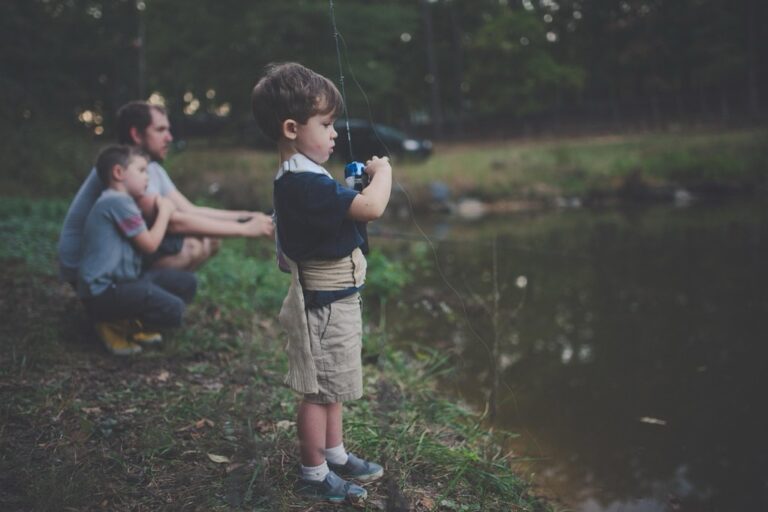
Dock crabbing is the ultimate entry point for beginners because of its accessibility and low cost. Public piers, tidal bridges, and marina docks put you right over active structures where blue crabs and Dungeness love to forage for food. You only need basic hand lines or lightweight traps, making it incredibly easy to manage with kids or a small group of friends.
Boat crabbing opens up deeper waters, quieter sloughs, and richer crabbing grounds that land-bound recreationalists simply cannot reach. Operating from a 20-foot day boat or a stable skiff allows you to deploy heavier pots across a wider area, maximizing your catch potential. However, boat crabbing demands sturdier gear, heavier weights to combat strong currents, and careful navigation to avoid tangling lines in your outboard propeller.
The choice between dock and boat crabbing dictates your entire gear setup. Pier crabbing favors lighter traps, shorter hand lines, and long-handled dipping nets to bridge the distance to the water. Boat crabbing requires heavy-duty weighted ropes, larger collapsible pots, and reliable storage solutions to keep the deck safe and clutter-free during transit.
Collapsible Crab Trap – Promar Deluxe Folding Crab Pot
A reliable trap is the foundation of any successful crabbing setup, acting as your silent underwater hunter while you wait. The Promar Deluxe Folding Crab Pot is an excellent standard for recreational crabbers who need high performance without sacrificing storage space. Its vinyl-coated steel wire frame resists saltwater corrosion while providing the structural rigidity needed to withstand strong tides and hungry crabs.
- Dimensions: 24″ x 24″ x 11″ (unfolded)
- Design: Three tunnel entrances with one-way escape doors
- Materials: Heavy-duty vinyl-coated wire steel construction
- Storage: Folds flat to under two inches thick
Setting up this trap takes seconds, but beginners should ensure the internal escape ramps are properly aligned before dropping it into the water. This collapsible design is perfect for weekend warriors with limited trunk space or small boat decks where bulkier, rigid pots would create a tripping hazard. However, if you plan to leave pots submerged for days at a time in high-current ocean swells, a heavier, non-collapsible commercial pot might be a more stable option.
Dipping Net – Ranger Nets Heavy Duty Crab Net
When pulling up a hand line or an open-top ring trap, crabs will let go the moment they break the water’s surface. A high-quality dipping net like the Ranger Nets Heavy Duty Crab Net is essential to scoop them up before they can scurry back to the depths. Built with a rugged, lightweight aluminum handle and a reinforced hoop, this net is designed to withstand the physical abuse of scraping against barnacle-covered dock pilings.
- Handle Length: 4-foot heavy-duty aluminum handle
- Hoop Size: 12″ x 13″ hoop with extra-deep bag
- Mesh Material: High-strength, tangle-free nylon webbing
- Weight: Lightweight construction for fast, one-handed sweeps
The key to using this net successfully is sweeping from behind and beneath the crab, as they swim backward when startled. While the four-foot handle is perfect for boats and low-profile floating docks, high public piers may require attaching an extension pole to reach the waterline during low tide. This net is a must-have for active hand-line crabbers but is less critical for those solely using fully enclosed, escape-proof traps.
Weighted Crab Line – Promar Polyethylene Rope
Using cheap, standard nylon rope is a recipe for disaster because floating lines easily wrap around boat propellers and create navigation hazards. The Promar Polyethylene Rope is engineered specifically for crabbing, designed to sink quickly and stay clear of surface traffic. This heavy-duty, highly visible yellow line resists rotting, mildew, and UV damage, ensuring it won’t snap when pulling a heavy trap up from a muddy bottom.
- Line Length: Available in 50-foot and 100-foot spools
- Diameter: 1/4-inch thickness for comfortable hand-over-hand pulling
- Material: Sinking polyethylene braid
- Color: High-visibility safety yellow
Beginners often underestimate the toll that pulling wet, thin rope takes on their hands, making the 1/4-inch diameter of this rope a savior for hand-over-hand hauling. Keep in mind that you will need to coil this line neatly into a bucket or basket after each use to prevent stubborn knots from forming during storage. This rope is an absolute necessity for boaters deploying pots in high-traffic channels, whereas casual pier crabbers using short hand lines can sometimes get away with lighter, unweighted cords.
Wire Bait Cage – Danielson Vinyl Coated Bait Cage
If you tie your bait directly to the bottom of the trap, crabs and bait-stealing fish will shred it to pieces within minutes, leaving your trap empty. The Danielson Vinyl Coated Bait Cage keeps your chicken necks, fish carcasses, or shad secure, forcing crabs to pick at the bait slowly and hang around the trap longer. The thick vinyl coating prevents rust in harsh saltwater environments and protects your fingers from sharp metal edges.
- Material: Heavy-duty vinyl-coated steel wire
- Closure: Secure spring-loaded lid latch
- Dimensions: Compact 6″ x 4″ x 4″ design
- Mounting: Integrated spring clip for quick installation inside the pot
While the wire mesh is perfectly spaced to let scent trails escape while keeping predators out, sea lions and seals can still crush these cages if they are determined enough. For areas with high sea mammal activity, pairing this cage with a heavy-duty bait box is highly recommended. This tool is a smart buy for anyone looking to maximize their soak times, but it might be overkill for quick, supervised hand-line crabbing where bait is monitored constantly.
Crab Measuring Gauge – Promar Aluminum Crab Gauge
Game wardens do not tolerate size limit violations, and a single undersized crab in your bucket can result in hefty fines. The Promar Aluminum Crab Gauge provides an instant, foolproof way to measure your catch across the carapace before tossing them into the livewell. Crafted from anodized aluminum, this tool will not rust, warp, or bend, ensuring its measurements remain perfectly accurate season after season.
- Material: Rustproof anodized aluminum
- Measurements: Multi-stage increments for various crab species (Dungeness, Blue, Red Rock)
- Design: High-contrast engraved markings
- Portability: Pre-drilled lanyard hole for easy wrist or belt attachment
Measuring a thrashing crab requires a bit of technique; you must measure the widest span of the shell, excluding the protective spikes on the very tips depending on state laws. Keep this gauge on a lanyard around your neck or attached to your crab basket so it is always within arm’s reach when a pot comes over the rail. This is an essential safety and compliance tool for every single crabber on the water, regardless of whether you are fishing from a dock or a skiff.
Protective Gloves – Showa Atlas 660 Waterproof Gloves
A pinch from a mature blue crab or Dungeness crab can easily break the skin, ending your crabbing trip with a painful injury. The Showa Atlas 660 Waterproof Gloves provide a heavy-duty barrier against powerful claws, sharp barnacles, and abrasive ropes. Featuring a triple-dipped PVC coating, these gloves remain completely waterproof while offering excellent resistance to marine oils and fuels.
- Material: Triple-dipped PVC over seamless cotton knit liner
- Grip Texture: Rough finish on palms and fingers for wet/dry handling
- Length: Extended cuff to protect wrists and forearms
- Flexibility: Designed to remain supple even in cold water temperatures
While these gloves offer incredible protection, they do reduce fine motor skills, making tasks like tying delicate knots or threading small bait clips slightly challenging. It is best to choose a size that fits snugly to maintain as much dexterity as possible while handling squirming crabs. These gloves are indispensable for the person handling the traps and sorting the catch, though casual onlookers who stay clear of the livewell can pass on them.
Crab Tongs – Bubba 24-Inch Aluminum Crab Tongs
Even with heavy-duty gloves, reaching into a crowded crab pot or cooler can be intimidating for beginners and seasoned pros alike. The Bubba 24-Inch Aluminum Crab Tongs give you two feet of safe clearance, allowing you to pin and lift crabs securely without putting your fingers in the danger zone. Engineered with Bubba’s signature high-traction grip, these tongs won’t slip out of your hands even when covered in saltwater and crab slime.
- Length: 24 inches for maximum safety reach
- Construction: Aircraft-grade aluminum body with stainless steel hardware
- Grip: Non-slip, iconic Bubba red textured grip
- Jaw Design: Curved pads to hold crabs firmly without crushing their shells
Operating these tongs requires a gentle touch; squeezing too hard can crush a soft-shell crab, while too loose of a grip will let a lively crab slip away onto the deck. The 24-inch length is ideal for reaching into deep livewells or coolers, but it can feel slightly unwieldy in tight, cramped kayak cockpits. These tongs are perfect for families, beginners, and anyone who prefers keeping a comfortable distance between their skin and a crab’s defensive claws.
Crab Basket – Peach State Wire Bushel Basket
Keeping your crabs alive and healthy before they hit the boiling pot is crucial, as dead crabs spoil rapidly and cannot be eaten safely. The Peach State Wire Bushel Basket is the standard for temporary catch storage, providing maximum ventilation to keep crabs breathing easily in the open air. Its wire construction allows excess saltwater, mud, and debris to drain instantly, keeping your dock or boat deck clean.
- Capacity: Full one-bushel capacity (holds approximately 5-6 dozen blue crabs)
- Material: Galvanized steel wire with zinc coating for corrosion resistance
- Handles: Heavy-duty wire drop handles for easy transport
- Ventilation: Open-mesh design for optimal air circulation
Because this basket is made of wire mesh, crabs will occasionally stick their legs through the gaps, so you must handle the basket carefully to avoid getting pinched through the sides. Covering the top of the basket with a damp burlap sack is a classic waterman’s trick to keep the crabs cool, calm, and quiet during transport. This basket is perfect for high-yield blue crabbing trips, though Dungeness crabbers in the Pacific Northwest may prefer a heavy-duty plastic cooler with an aerator due to different regional climate and transport needs.
Portable Aerator – Frabill 1404 Portable Livewell Aerator
If you choose to keep your crabs or live bait fish in a solid plastic bucket or cooler, the dissolved oxygen in the water will deplete rapidly, causing your catch to suffocate. The Frabill 1404 Portable Livewell Aerator solves this problem by constantly pumping fresh, oxygen-rich air bubbles into your storage container. This compact, battery-operated unit turns any standard five-gallon bucket or cooler into a fully functioning livewell in a matter of seconds.
- Power Source: Runs on two D-cell batteries (not included)
- Components: Includes a flexible air hose and a weighted airstone
- Mounting: Heavy-duty back clip attaches securely to bucket rims
- Aeration Capacity: Effectively aerates up to 15 gallons of water
This aerator is incredibly reliable, but users must remember to rinse the airstone in fresh water after use to prevent salt crystals from clogging the pores. Keep a spare set of batteries in your dry bag, as running the motor continuously for more than 24 hours will eventually drain the power. This tool is a lifesaver for boaters keeping live bait fish or crabbers transporting their catch over long distances, but it isn’t necessary if you use a self-draining wire bushel basket covered in damp burlap.
Understanding Local Crabbing Regulations and Size Limits
Before you even bait your first trap, you must check your local state department of fish and wildlife regulations. Crabbing rules change frequently and are strictly enforced to protect marine ecosystems from overfishing. You will typically need to purchase a recreational crabbing or fishing license, and you must know the specific open seasons, daily bag limits, and gear restrictions for your exact waterway.
Size limits and gender restrictions are the core pillars of sustainable crabbing. In many regions, harvesting female crabs (often identified by their rounded “apron” on the underside) is illegal or highly discouraged to protect breeding populations. You must use your measuring gauge to measure from point to point across the shell, discarding any crab that falls even a fraction of an inch short of the legal limit.
Non-compliance carries steep penalties, including heavy fines and the potential confiscation of your gear, boat, or vehicle. Many areas also require specific buoy color schemes, phone numbers, or permit tags attached to your crab lines. Take five minutes to read the regulation booklet or download the state wildlife app before heading out to ensure a stress-free day on the water.
Cleaning and Storing Your Crabbing Gear After the Trip
Saltwater is incredibly destructive to recreational gear, chewing through metal, rotting ropes, and seizing up moving parts if left unchecked. The moment you return home, your first priority should be giving all your equipment a thorough rinse with clean, fresh water from a garden hose. Pay extra attention to the hinges on your collapsible traps, the wire mesh on your bait cages, and the moving parts of your crab tongs.
Once everything is rinsed, allow your gear to dry completely in a well-ventilated, shaded area before storing it away. Storing wet ropes, baskets, or nets in closed plastic tubs encourages mold, mildew, and structural rot that can ruin your gear before the next season. Coil your weighted lines loosely to prevent kinks and hang them up alongside your dipping nets to keep them clean and out of the way of pests.
Finally, perform a quick inspection for any wear and tear, such as frayed lines, broken trap doors, or chipped vinyl coating on your bait cages. Repairing these minor issues immediately ensures that your gear is ready to go the moment the crabbing tide calls. Proper maintenance not only saves you money on replacement gear but also guarantees your equipment won’t fail when you are miles away from the dock.
Equipping yourself with the right gear turns crabbing from a game of chance into a reliable, rewarding coastal tradition. By investing in durable, purpose-built tools, you spend less time untangling lines and more time enjoying the water with friends and family. Clean your gear, check the regulations, and get ready to enjoy a fresh, hard-earned feast.