10 Saltwater-Safe Safety Gear Essentials for Tide Pooling with Kids
Plan a safe adventure with our 10 saltwater-safe safety gear essentials for tide pooling with kids. Read our expert guide to prepare your family today.
A family stands at the edge of a jagged rock shelf, watching tiny hermit crabs scurry through neon-green anemones as the tide slips away. While these coastal nurseries offer endless fascination for curious kids, they also present a gauntlet of slick algae, sharp barnacles, and unpredictable waves. Equipping young explorers with targeted, saltwater-safe safety gear turns a potentially hazardous scramble into a secure, educational coastal adventure.
Disclosure: As an Amazon Associate, this site earns from qualifying purchases. Thank you!
Staying Safe While Exploring Slippery Coastal Tide Pools
The intertidal zone is one of the most volatile environments on the planet. Wet basalt, sandstone, and kelp beds are slicker than ice, while dry-looking rocks can hide deep, crashing channels. Standard beach toys and casual sandals will quickly disintegrate or cause dangerous slips under these harsh, abrasive conditions.
Prioritizing durability and grip is the foundation of tide pool safety. Investing in marine-grade gear ensures that equipment won’t fail when exposed to highly corrosive saltwater and abrasive sand. The following essentials keep kids safe, warm, and engaged during their coastal explorations.
Childrens Water Shoes – Keen Kids Newport H2
Tide pools are lined with razor-sharp barnacles, broken shells, and slippery kelp that can ruin a trip in seconds. Regular sneakers log water and become heavy, while flip-flops offer zero traction or lateral protection. A dedicated water shoe protects small feet while maintaining a firm grip on wet, uneven terrain.
The Keen Kids Newport H2 stands out due to its iconic rubber toe bumper, which prevents painful stubs on hidden rocks. The non-marking rubber outsole features a multi-directional lug pattern with razor siping, providing exceptional traction on slick surfaces. The washable polyester webbing upper is lined with quick-dry jersey, ensuring comfort both in and out of the water.
- Size Options: Toddler (4-7), Little Kid (8-13), Big Kid (1-6)
- Closure: Hook-and-loop strap with adjustable bungee lace capture
- Materials: PFC-free waterproof webbing, hydrophobic mesh lining
Before buying, note that these shoes tend to run about a half-size small, especially for wide feet. Sand can occasionally get trapped inside the toe box, requiring a quick rinse in a clear pool to clear out debris. They are perfect for active scramblers but are too bulky for toddlers who only wade in smooth, sandy shallows.
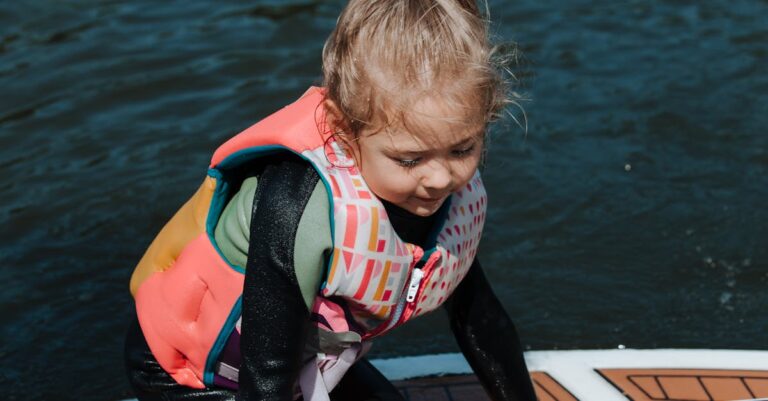
Kids Life Jacket – Mustang Survival Rev Youth PFD
Even in shallow tide pools, sneaker waves, sudden surges, and slippery ledges present drowning hazards. A Coast Guard-approved life jacket provides essential buoyancy if a child slips into a deep channel or gets swept off a ledge. It is non-negotiable insurance for any coastal environment with active surf.
The Mustang Survival Rev Youth PFD is engineered specifically for active kids, utilizing a segmented foam design that moves with the body rather than riding up. It features a rugged stain-resistant outer shell and a cooling mesh back to prevent overheating during active climbs. The heavy-duty zipper and secure waist belt ensure the jacket stays firmly in place during a fall.
- Weight Range: 55 to 88 lbs (Youth)
- Approval: Harmonized US/Canada Level 70 buoyancy aid (Type III equivalent)
- Material: Durable 200D polyester shell
The primary consideration is fit; the jacket must be adjusted snugly using the side straps so it cannot be pulled up over the child’s ears. It has a slight learning curve for kids unused to bulky chest panels, so wear it around the yard first. This vest is ideal for rocky, active shorelines but is overkill for completely enclosed, flat-water wading zones.
Waterproof Dry Bag – Sea to Summit Lightweight Dry Sack
Wet kids need dry clothes, and saltwater will instantly destroy phones, car keys, and snacks. Carrying a standard backpack onto wet rocks invites soaked gear from rogue splashes or an accidental drop into a pool. A reliable dry bag keeps spare insulation and electronics completely isolated from the marine environment.
The Sea to Summit Lightweight Dry Sack is built from 70D waterproof nylon with fully taped seams and a white interior lining that makes finding gear easy. The cylindrical shape packs efficiently, and the hypalon roll-top closure sheds water reliably. It features a D-ring attachment point at the buckle, allowing it to be clipped securely to a parent’s pack.
- Capacity Options: 1.5L, 3L, 5L, 8L, 13L, 20L, 35L
- Waterproof Rating: 10,000mm hydrostatic head
- Closure: Roll-top with side-release buckle
To ensure a watertight seal, the roll-top must be folded tightly at least three times before buckling. This bag is designed to protect against heavy splashes and quick submersions, but it is not rated for prolonged diving or floating. It is perfect for families carrying cameras and dry layers, but not for those looking for a fully submersible backpack.
Marine First Aid Kit – Adventure Medical Kits Marine 100
Barnacle cuts and urchin punctures are highly prone to infection due to the marine bacteria present in tide pools. A standard household first aid kit will quickly turn to mush when exposed to salt spray and wet hands. A dedicated marine kit provides dry, sterile tools to clean and dress wounds on-site.
The Adventure Medical Kits Marine 100 is packed inside a waterproof, floating dry bag that protects the contents from the elements. It contains marine-specific treatments, including antiseptic wipes, sting-relief pads, and waterproof bandages that stick to wet skin. The kit also includes a concise marine medicine guide to assist with quick decision-making.
- Dimensions: 7.5″ x 4.5″ x 11″
- Weight: 12 oz
- Key Contents: Sterile gauze, adhesive bandages, antiseptic, ibuprofen, motion sickness tablets
Users should always familiarize themselves with the layout of the kit before heading to the shore, as searching through pockets during an injury causes unnecessary stress. The waterproof bag is highly durable, but the inner contents must be checked and replenished annually. This kit is a must-have for remote rocky beaches, though it may be more than needed for a beach directly adjacent to a lifeguard station.
Waterproof Headlamp – Black Diamond Storm 500-R
The best tide pooling often occurs during extreme negative tides, which frequently happen at dawn, dusk, or during winter nights. Navigating dark, wet rocks without hands-free lighting is a recipe for a fall. A waterproof headlamp keeps hands free for balance while illuminating deep, shadowed crevices where marine life hides.
The Black Diamond Storm 500-R delivers up to 500 lumens of bright, adjustable light housed in a rugged, dustproof, and waterproof body. With an IP67 rating, it can survive submersion under one meter of water for 30 minutes, making it completely saltwater-resistant. The rechargeable lithium-ion battery eliminates the need for disposable batteries and features a reliable power meter.
- Max Brightness: 500 lumens
- Waterproof Rating: IP67
- Modes: Red, green, blue night vision, strobe, dimming, lock mode
The headlamp features a lockout mode that must be engaged before packing to prevent it from turning on accidentally and draining the battery. The headband should be adjusted snugly to prevent sliding on wet hair or hoods. This tool is indispensable for night and early morning coastal treks, but unnecessary for midday summer outings.
Reef Safe Sunscreen – Thinksport Kids SPF 50+ Sunscreen
Sunburns happen quickly on the water because UV rays reflect off both the wet rocks and the water’s surface. However, chemical sunscreens contain compounds like oxybenzone that are highly toxic to delicate tide pool organisms like anemones and corals. Parents need a physical blocker that stays on active kids without harming the environment they are exploring.
The Thinksport Kids SPF 50+ Sunscreen is a dermatologist-recommended formula utilizing 20% non-nano zinc oxide. It provides broad-spectrum protection against UVA and UVB rays and boasts the highest level of water resistance allowed by the FDA (80 minutes). The formula is reef-safe, biodegradable, and free of biologically harmful chemicals.
- Active Ingredient: Non-nano Zinc Oxide (20%)
- Sun Protection Factor: SPF 50+
- Water Resistance: 80 minutes
Because this is a physical mineral barrier, it is thicker than chemical sprays and requires thorough rubbing to eliminate the white sheen. It should be applied 15 minutes before sun exposure to ensure even coverage. It is the perfect choice for environmentally conscious tide poolers, but not ideal for those who prefer quick-drying, transparent aerosol sprays.
Protective Gloves – Glacier Glove Kids Fleece Lined Glove
Cold water and abrasive surfaces can quickly numb and injure young hands. Kids naturally want to touch everything, but barnacles and volcanic rock can slice through soft skin effortlessly. Protective gloves keep hands warm in cold-water zones while preventing cuts and scrapes during scrambles.
The Glacier Glove Kids Fleece Lined Glove features a 2mm neoprene construction that provides excellent thermal insulation in chilly waters. The palm is textured with a sharkskin pattern to provide a secure grip on wet seaweed, rocks, and tools. The fleece lining adds comfort and helps retain body heat even when the gloves are damp.
- Material: 2mm neoprene with fleece lining
- Palm Style: Sharkskin textured grip
- Sizing: Youth Small, Medium, Large
Neoprene gloves must fit snugly to prevent water from pocketing inside, which lowers thermal efficiency. This tight fit can make them difficult for younger kids to pull on independently, requiring a parent’s assistance. They are ideal for cold-water tide pooling in places like Washington or Maine, but unnecessary for warm, tropical environments.
Emergency Whistle – Storm Safety All Weather Whistle
The ocean is loud, and wind, surf, and distance can easily drown out a child’s voice. If a child slips into a crevice or gets separated by a rising tide, yelling for help is often ineffective. A high-decibel emergency whistle allows a child to signal their location over the roar of the ocean with minimal effort.
The Storm Safety All Weather Whistle is widely recognized as the loudest whistle available, capable of producing a 120-decibel sound heard over a mile away. Its unique patented design allows it to be blown even when wet or completely submerged, as water is instantly purged from the chamber. It is constructed from high-impact thermoplastic that resists saltwater corrosion.
- Decibel Level: Up to 120 dB
- Material: High-impact thermoplastic
- Attachment: Built-in clip and lanyard hole
This whistle is extremely loud and can cause temporary hearing discomfort if blown in close proximity to others. Kids must be taught that this is a safety tool to be used only in real emergencies, never as a toy. It is a critical survival item for remote beaches, though less vital for highly crowded, small-scale wading pools.
Underwater Viewer – Nuova Rade Underwater Looking Glass
Glare on the water’s surface makes it difficult to see what is happening beneath, often causing kids to lean too far over deep water. An underwater viewer eliminates surface reflections, allowing clear, safe observation of the marine world. It keeps kids engaged without requiring them to submerge their faces in freezing saltwater.
The Nuova Rade Underwater Looking Glass features a rugged plastic cone with a clear, tempered viewing pane at the base. The top is fitted with a soft rubber eyepiece that blocks out peripheral light, enhancing the contrast of the underwater scene. It has two large side handles, making it easy for small, wet hands to hold steady.
- Dimensions: 13″ height x 10″ diameter
- Material: UV-resistant polycarbonate and plastic
- Features: Dual handle grip, soft rubber face seal
The viewer is relatively bulky, meaning it takes up significant space in a beach bag. Care must be taken not to drag the acrylic lens across sharp basalt rocks, as scratches will permanently distort the view. It is an amazing educational tool for young marine biologists, but less practical for long, fast-paced coastal hikes.
Kids Rash Guard – O’Neill Youth Basic Skins UPF 50+
Standard cotton t-shirts offer poor sun protection when wet and dry slowly, leading to rapid cooling in windy coastal environments. Leaning over rock pools also exposes shoulders and backs to prolonged sun and abrasive edges. A quality rash guard shields skin from both UV damage and minor scrapes.
The O’Neill Youth Basic Skins UPF 50+ is constructed from a premium 6-ounce polyester/spandex blend that provides maximum UV protection. The fabric features 4-way stretch for unrestricted movement, while the flatlock stitched seams prevent chafing against sensitive skin. Its quick-dry properties keep kids comfortable when transitioning from wet pools to windy shorelines.
- Sun Protection: UPF 50+ (blocks over 99% of UV rays)
- Fabric: 6oz Polyester/Spandex blend
- Fit: Slim, ergonomic body shaping
The rash guard is designed to fit tightly against the skin to reduce drag; parents wanting a looser t-shirt style should size up. The fabric can snag if dragged directly over sharp barnacles, so it serves as a shield rather than armor. It is highly recommended for warm-to-mild coastal weather, but should be replaced by a neoprene wetsuit top in frigid northern waters.
How to Clean and Maintain Tide Pool Gear After Use
Saltwater is highly corrosive, and marine sand acts like liquid sandpaper on hinges, buckles, and fabric seams. Failing to clean gear after a trip will lead to stiff zippers, dry-rotted rubber, and moldy fabrics. A simple, consistent post-trip maintenance routine ensures safety gear remains reliable for years.
Immediately upon returning home, submerge all gear in a large tub of cool, fresh water to dissolve salt crystals and flush out packed sand. Pay close attention to zippers, buckles, bungee locks, and the seams of shoes and life jackets. For neoprene and PFDs, use a mild, specialized wetsuit shampoo rather than harsh household detergents, which can strip away protective coatings.
Once rinsed, hang all gear to dry in a well-ventilated, shaded area out of direct sunlight. High UV exposure breaks down plastics, degrades neoprene elasticity, and fades life jacket fabrics prematurely. Ensure everything is completely dry before storing in a cool, dry bin to prevent the growth of mildew and musty odors.
Conclusion
Equipping young adventurers with the right marine-grade gear ensures a safe, comfortable, and unforgettable tide pooling experience. By choosing saltwater-safe materials and robust protective layers, parents can focus on the wonder of coastal discovery rather than worrying about slips, cuts, or cold feet. Pack smart, respect the tides, and enjoy the rich wonders of the intertidal world.