8 Essential Docking Gear For Securing Your Boat Overnight
Ensure your vessel stays safe and stable with our guide to 8 essential docking gear items for securing your boat overnight. Upgrade your marine setup today.
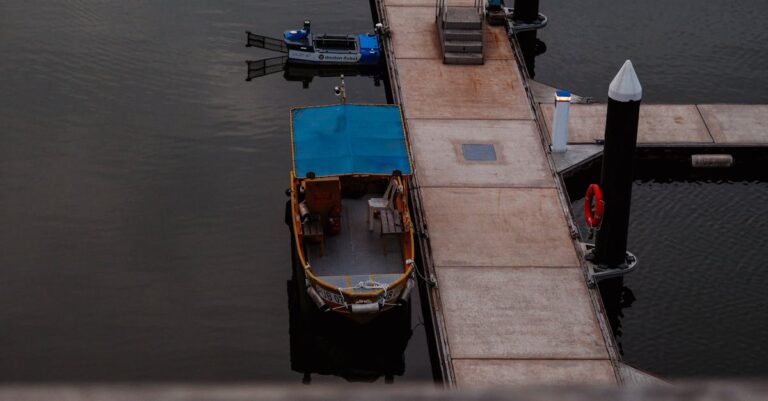
Leaving a boat at a dock overnight can feel like parking a car on a steep hill without a handbrake if the right equipment isn’t used. Calm daytime harbors can turn into chaotic, wave-tossed washboards after the sun goes down and the wind shifts. Equipping a vessel with dedicated, heavy-duty overnight docking gear is the only way to sleep soundly knowing the hull will remain unscratched by morning.
Disclosure: As an Amazon Associate, this site earns from qualifying purchases. Thank you!
Why Overnight Docking Demands Heavy-Duty Gear
During the day, docking is active and supervised, allowing for quick adjustments when a passing wake rolls through. Overnight, the boat is left entirely to the mercy of changing winds, shifting tides, and unannounced storms. Standard lightweight lines and thin fenders that suffice for a brief lunch tie-up will quickly chafe through or squash flat under hours of relentless friction.
Structural damage to fiberglass, bent stanchions, and torn-out cleats are expensive consequences of inadequate gear. Overnight securing requires specialized tools designed to absorb energy, distribute loads, and keep the hull a safe, consistent distance from abrasive dock pilings. Investing in dedicated night-docking gear turns a vulnerable floating asset into a secure, self-adjusting system that handles the elements on its own.
Dock Line – Airhead Double Braided Nylon Dockline
Securing a boat overnight starts with the ropes that keep it tied to land. Inadequate lines will fray under continuous rubbing or snap under sudden tension, leaving the boat to drift. Heavy-duty dock lines serve as the primary line of defense against wind, current, and passing wake.
The Airhead Double Braided Nylon Dockline is engineered specifically to absorb shock while maintaining exceptional tensile strength. The double-braid design stays flexible, resists kinking, and is easy on the hands, unlike stiff three-strand ropes.
- Material: 100% premium double-braided nylon
- Eyelet: Pre-spliced 12-inch loop for rapid cleat attachment
- Sizes: Available in 1/2-inch and 5/8-inch diameters in lengths up to 25 feet
When selecting a size, match the line diameter to the boat length, choosing 1/2-inch lines for boats under 25 feet and 5/8-inch lines for larger vessels. Keep these lines clean by rinsing them with fresh water occasionally to remove abrasive salt crystals and dirt that can stiffen the nylon fibers.
This rope is perfect for recreational runabouts, pontoon boats, and mid-sized bowriders looking for reliable dock-to-boat security. It is not designed for heavy commercial vessels or permanent, multi-year mooring installations in high-surge ocean harbors.
Boat Fender – Taylor Made Super Gard Fender
Fenders act as protective cushions, preventing violent hull-to-dock contact when wind or wake pushes the boat sideways. Without robust fenders, gelcoat will scratch, crack, or wear down to the raw fiberglass overnight. Having high-quality fenders deployed at the correct hull contact points prevents these costly structural cosmetic repairs.
The Taylor Made Super Gard Fender stands out due to its single-piece, marine-grade vinyl construction, which eliminates seams that can split under pressure. Molded-in ribs minimize rolling against the hull, keeping the protective cushion exactly where it is needed most.
- Design: Double-molded black ends for extra strength in the eyelets
- Inflation: Standard football needle valve to adjust pressure easily
- Sizing: Ranges from 5.5″ x 20″ for smaller runabouts to 10″ x 26″ for large cruisers
Proper inflation is crucial; over-inflated fenders will bounce the boat aggressively, while under-inflated ones will bottom out against the dock. To prevent unsightly hull scuffs, match the fender size to the boat’s weight and length, always erring on the side of a larger diameter for overnight stays.
This fender is an excellent choice for any recreational boater docking next to wood or concrete pilings overnight. It is not the ideal choice for boats with highly delicate custom vinyl wraps, which require soft fabric fender covers to prevent friction hazing.
Dock Snubber – Taylor Made Mooring Snubber
Even high-quality nylon dock lines can snap or pull cleats right out of the deck when subjected to violent, sudden surges. A dock snubber acts as an inline shock absorber, absorbing the peak energy of a wave before it transfers to the boat’s hardware. This prevents constant jarring and makes overnight stays much quieter and safer.
The Taylor Made Mooring Snubber is made from heavy-duty, UV-resistant polyurethane that stretches progressively under load. By threading the dock line through its integrated channels, it dampens the violent tugs caused by wind shifts or wake.
- Material: Marine-grade polyurethane formulation that resists saltwater and sunlight
- Installation: Easy wrap-around design requiring no extra knots
- Line Compatibility: Fits line sizes from 3/8-inch up to 5/8-inch
Users must leave enough slack in the line weave for the snubber to stretch and do its job. Inspecting the rubber for micro-tears before each overnight stay is essential, as sun-baked rubber will eventually lose its elasticity and break under extreme stress.
This snubber is an absolute necessity for boats tied up in active harbors with constant wake or tidal movement. It is unnecessary for boats docked overnight on calm, small inland lakes with zero current or motorized night traffic.
Mooring Whip – Taylor Made Premium Mooring Whips
When docking in areas with significant tidal movement or heavy wake, keeping the boat from ever hitting the dock is the safest strategy. Mooring whips act as structural spring poles that use continuous tension to pull the boat several feet away from the dock edge. This setup eliminates fender wear and prevents the boat from getting caught under the dock deck.
The Taylor Made Premium Mooring Whips are constructed from solid fiberglass rods designed to flex under pressure. They work in tandem with dock lines to keep the vessel securely positioned parallel to the dock without allowing contact.
- Material: High-strength solid fiberglass rods with cast aluminum bases
- Weight Capacity: Available in configurations for boats from 18 feet up to 33 feet
- Includes: Whips, bases, line, and tension adjusters
Correct installation requires mounting the heavy-duty bases securely to the dock structure using robust hardware. There is a learning curve to adjusting the spring lines to balance the tension, ensuring the boat sits parallel to the dock without listing.
This system is ideal for boat owners with dedicated slip spaces who face frequent wakes or tidal changes and want to eliminate fender wear entirely. It is not suitable for transient boaters who change docks daily, as the base units must be permanently bolted to the dock.
Fender Hanger – Mission Boat Gear Sentry Hanger
Hanging fenders at the perfect height can be a chore, especially when arriving at a dark dock after a long day on the water. Standard knots can slip, causing the fender to ride up and leave the hull exposed. A dedicated fender hanger allows for rapid, secure, and consistent height adjustments.
The Mission Boat Gear Sentry Hanger attaches directly to boat rails or cleats, providing an instantly adjustable hanging point for boat fenders. Its molded, durable design grips square or round tubing tightly, preventing the fender from sliding along the rail when waves hit.
- Compatibility: Fits rails and frames from 1 inch to 2 inches in diameter
- Material: High-strength, UV-stable polymer that won’t scratch gelcoat
- Adjustment: Integrated locking mechanism for rapid height tuning
The hanger must be sized correctly to the boat rail’s profile to prevent slipping under heavy vertical loads. While highly convenient, users should ensure the locking mechanism is fully engaged before leaving the boat unattended for the night.
This tool is perfect for boaters who frequently adjust fender heights to match varying dock designs. It is not ideal for boats without perimeter rails, bow pulpits, or sturdy cleat configurations to clip the hangers onto.
Portable Cleat – SeaSense Slide-On Dock Cleat
Public docks, municipal slips, and restaurant bulkheads are notorious for having missing, broken, or poorly spaced cleats. Without a solid tie-off point in the correct position, setting up proper spring lines is nearly impossible. A portable cleat allows boaters to create a temporary, rock-solid tie-down location exactly where it is needed.
The SeaSense Slide-On Dock Cleat slides directly onto standard wood dock planks, providing an instant, sturdy tie-down location. It bypasses the headache of poorly spaced permanent dock cleats, allowing for perfect spring line placement.
- Material: Zinc-plated steel for excellent corrosion resistance
- Fit: Designed to fit standard 2-inch wood dock planks
- Strength: Rated for temporary use on light-to-medium recreational boats
This cleat relies entirely on the structural integrity of the wooden dock plank it is attached to; rotting or loose boards will pull up under heavy tension. It should only be used as an auxiliary tie-off point or spring line anchor rather than the primary bow or stern securement during high-wind storms.
This product is great for overnight boaters visiting public or municipal docks with limited or damaged mooring hardware. It is not suitable for concrete docks, composite docks without gaps, or heavy cabin cruisers that require deep-bolted structural cleats.
Bilge Pump – Rule Industries Rulemate 500 Pump
An overnight rainstorm or a slow, unnoticed hull leak can quickly accumulate hundreds of gallons of water inside a boat. Excess water adds immense weight, sinking the boat lower in the water and increasing the risk of swamping. An automated bilge pump is the ultimate insurance policy for keeping the interior dry and afloat while unattended.
The Rule Industries Rulemate 500 Pump features a fully automated internal water-sensing system that eliminates the need for a separate mechanical float switch. This design prevents the pump from cycling endlessly or getting stuck open by debris in the bilge, preserving battery life.
- Flow Rate: 500 gallons per hour (GPH)
- Power: 12V DC operation with low amp draw
- Technology: Solid-state sensors check for water every few minutes without using power
Because this pump operates automatically, it must be wired directly to the boat battery rather than through a switched panel that might be turned off overnight. Regular cleaning of the strainer base is required to prevent hair, leaves, or bilge grime from blocking the impeller.
This pump is an essential safeguard for any open or semi-enclosed recreational boat left in the water overnight. It is not intended as the primary pump for large cabin cruisers, which require higher GPH outputs and redundant backup pump systems.
Boat Cover – Classic Accessories StormPro Cover
Leaving a boat interior exposed overnight invites rain, heavy dew, wind-blown debris, and nocturnal pests into the cabin. A soaked interior can ruin marine electronics and lead to mold and mildew growth in vinyl seats. A heavy-duty, secure cover keeps the element-sensitive areas of the boat protected and dry.
The Classic Accessories StormPro Cover is made from heavy-duty marine-grade polyester designed for maximum water repellency and breathability. It features integrated trailering straps that double as secure tie-downs to keep the cover taut even in high wind gusts.
- Fabric: High-strength polyester with fabric coating technology
- Design: Dual rear air vents to reduce wind lofting and inside moisture buildup
- Sizing: Available in multiple cut options to fit hulls from 12 to 24 feet long
To prevent water from pooling and stretching the fabric overnight, support poles must be used underneath the cover to shed rain effectively. Tighten the straps evenly across the hull to avoid high-friction spots that could chafe the gelcoat or vinyl graphics in high winds.
This cover is excellent for open bowriders, fishing boats, and pontoon boats docked overnight in areas prone to sudden summer downpours. It is not practical for large cabin cruisers or yachts with permanently mounted radars and hardtops that prevent standard cover installation.
How to Factor in Tide Changes and Water Levels
Leaving a boat tied tight to a fixed dock during high tide is a recipe for disaster when the tide goes out. As the water level drops, the boat will hang from its lines, putting immense strain on the cleats or even tipping the vessel at a dangerous angle. Conversely, tie-ups that are too snug during low tide will submerge or pin the boat against the dock structure as the water rises.
To counter tidal fluctuations, boaters must use longer dock lines tied at shallower angles to allow the boat to rise and fall naturally. Utilizing spring lines—lines run from the bow toward the stern dock cleats and vice versa—helps control forward and aft movement while allowing vertical travel. In areas with extreme tidal swings, employing sliding mooring collars or specialized whip systems is often necessary to keep the boat centered.
Essential Knots for Secure Overnight Mooring
The foundation of secure overnight docking lies in mastering a few reliable knots that hold under tension yet untie easily after being loaded. The cleat hitch is the absolute baseline standard for securing a line to a horn cleat. It must be wrapped properly with a locking hitch to prevent the line from slipping free as the boat surges.
For tying off to dock pilings, the clove hitch secured with two half-hitches is a quick and dependable option. The bowline is equally critical, creating a secure, fixed loop at the end of a line that will not slip or jam under heavy strain. Practicing these knots until they can be tied in the dark ensures the boat is secured correctly, regardless of the harbor conditions.
Morning Inspection Routine Before Casting Off
A hasty departure in the morning can lead to overlooked damage or compromised safety gear. Begin the inspection by checking the bilge for excessive water accumulation and verifying that the automatic pump did its job. Look closely at the dock lines for fresh chafe marks, which indicate high-friction points that need adjustment before the next overnight stay.
Next, walk the gunwales to inspect the hull sides and fenders for any signs of hard contact or hull scuffing. Ensure all mooring gear, including whips, snubbers, and portable cleats, are carefully stowed in their designated compartments so they do not become tripping hazards on deck. Taking five minutes to verify the integrity of the boat before casting off guarantees a safe, stress-free day on the water.
Conclusion
Securing a boat overnight doesn’t require luck; it requires the right heavy-duty gear and a smart setup. By choosing robust lines, resilient fenders, and automatic safety systems, boaters can rest easy knowing their vessel is fully prepared to handle whatever the night brings.