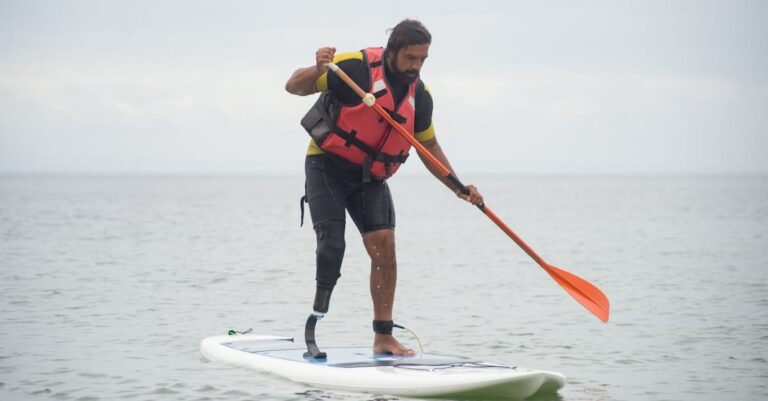
8 Best First Aid and Hydration Gear for Summer Water Days
Stay safe and hydrated during summer water adventures. Discover our 8 essential first aid and hydration gear picks to keep you prepared. Shop the guide today.
The sun is blazing, the water is glassy, and the boat is loaded for a perfect summer day. But out on the water, a minor mishap can quickly escalate into a genuine emergency if safety preparation is ignored. Having the right safety and hydration gear onboard ensures a fun afternoon doesn’t turn into a search-and-rescue mission.
Disclosure: As an Amazon Associate, this site earns from qualifying purchases. Thank you!
Why Summer Water Safety Demands Special Gear
Water acts like a giant mirror, reflecting UV rays and intensifying heat in a way that dry land environments simply do not. This double-exposure to direct and reflected sunlight accelerates dehydration and sunburn, catching even experienced boaters off guard. On top of that, wet hands and moving vessels make handling standard emergency gear difficult, requiring items designed specifically to resist moisture and impact.
Isolation is another critical factor to consider. When a minor injury occurs on a lake or miles off the coast, help is rarely just five minutes away. Standard household first aid kits quickly disintegrate under humid, salty conditions, rendering adhesive bandages and sterile wipes useless before they are even needed. Specialized marine safety gear is built to survive this harsh, high-moisture environment while keeping critical supplies dry and functional.
First Aid Kit – Adventure Medical Kits Marine 100
A standard medicine cabinet bandage will peel off the moment it touches sweat or lake water. A dedicated marine first aid kit is essential for managing minor cuts, hook punctures, and jellyfish stings while away from the dock. The Adventure Medical Kits Marine 100 serves as the ultimate compact medical station because it packages high-quality supplies in a 100% waterproof dry bag that floats if dropped overboard.
Inside the dry bag, supplies are organized by injury category, allowing anyone to find what they need during a high-stress moment. The kit includes: * Waterproof bandages and gauze that actually stick to wet skin * Antiseptic wipes and medication for pain and inflammation * Cohesive bandages that wrap securely without sticking to hair or skin * A dedicated first aid manual tailored to marine environments
Before tossing this kit into a hatch, understand that its compact size is optimized for 1 to 2 people on short trips. It does not contain heavy-duty trauma gear or extensive splints. For those operating larger vessels or hosting big family gatherings on a pontoon, upgrading to the larger Marine 200 or 300 model is highly recommended.
This kit is perfect for kayakers, paddleboarders, and day-boaters who need maximum protection in a minimal footprint. It is not suitable for offshore cruisers who require deep-sea medical supplies for multi-day voyages.
Burn Treatment – Water-Jel First Responder Roll
Sunburns and accidental contact with hot engine covers or metal fittings are common on summer boat trips. Standard first aid kits often lack the specialized dressings required to stop a burn from worsening. The Water-Jel First Responder Roll provides an immediate, sterile barrier that cools the skin, relieves pain, and protects the wound from airborne contaminants.
This specific roll is saturated with a water-soluble gel that absorbs heat from the burn site rather than trapping it. The gel contains hyaluronic acid and tea tree oil, which help soothe damaged tissue without leaving a greasy residue that medical staff would have to scrape off later. Its flexible, conforming design means it easily wraps around joints, fingers, or limbs where stiff bandages fail to stay put.
Be aware that these gel rolls have a defined shelf life and must be replaced once they reach their expiration date to ensure the gel remains moist and sterile. Always store the roll in a cool, dark compartment, as prolonged exposure to extreme heat can degrade the gel’s efficacy.
This is an absolute must-have for powerboaters, jet skiers, and anyone cooking on a galley stove. It is less critical for casual pool floaters who are never more than a few feet away from air-conditioned indoor comfort.
Insulated Bottle – Yeti Rambler 36 oz Bottle
Lukewarm water does not cool the core body temperature effectively and is unappealing to drink, leading to accidental dehydration. A heavy-duty insulated bottle is the primary defense against heat exhaustion, keeping ice solid even when left on a scorching fiberglass deck. The Yeti Rambler 36 oz Bottle stands out because of its rugged construction and unmatched thermal retention.
Built with kitchen-grade 18/8 stainless steel, this bottle resists punctures and rust, making it highly compatible with harsh saltwater environments. The double-wall vacuum insulation prevents sweating, so the bottle will not slip out of wet hands while underway. The included Chug Cap allows for quick, controlled hydration without spilling water everywhere when the boat hits a wake.
Note that this 36-ounce bottle is relatively heavy when filled and possesses a wide base that will not fit into standard-sized cup holders. To secure it on a moving boat, it must be tucked into a gear bag or placed in a dedicated wide holder.
This bottle is perfect for boaters, anglers, and beachgoers who demand ice-cold water all day long. It is not ideal for paddleboarders or kayakers with limited storage space who prefer lightweight, collapsible vessels.
Hydration Tablet – Liquid I.V. Hydration Multiplier
Sweating out essential minerals while paddling or casting all day can cause severe muscle cramps and brain fog. Drinking plain water is sometimes not enough to restore balance, as it can dilute remaining sodium levels in the blood. Liquid I.V. Hydration Multiplier packets utilize Cellular Transport Technology (CTT) to deliver water and key nutrients directly into the bloodstream faster than water alone.
Each packet contains a precise ratio of sodium, potassium, and glucose that accelerates water absorption in the digestive tract. This formula helps prevent the headaches and fatigue that often plague boaters after hours under a cloudless sky. The individually wrapped sleeves are highly convenient, easily sliding into dry bags, life jacket pockets, or first aid kits.
Keep in mind that these packets contain a concentrated dose of sodium and sugar, which is necessary for rapid rehydration but may not fit everyone’s daily dietary restrictions. They must also be mixed with exactly 16 ounces of clean water to work as intended; using too much or too little water alters the osmotic balance and reduces effectiveness.
This product is an essential addition for active kayakers, wakeboarders, and offshore anglers working hard in the sun. It is overkill for a casual afternoon spent floating in a shaded backyard pool.
Emergency Whistle – Storm Safety Whistle
When a swimmer drifts away from a vessel or a kayak capsizes in rough water, shouting for help is virtually useless over the roar of wind, waves, and outboard motors. A high-decibel safety whistle is a Coast Guard-required item that cuts through ambient marine noise to alert rescuers. The Storm Safety Whistle is widely recognized as the loudest whistle available, capable of being heard over a mile away on open water.
This whistle features a patented harmonic chamber that allows it to perform perfectly even after being completely submerged in water. Its bright orange, high-impact thermoplastic housing is corrosion-proof and easy to locate on a life jacket. It is designed to be blown comfortably while wet, making it highly reliable in true survival situations.
Because this whistle produces a sound level of up to 120 decibels, blowing it in close proximity to others can cause ear pain or temporary hearing damage. It should only be used in genuine emergencies, and users should turn their heads away from companions before exhaling.
This gear piece is vital for solo paddlers, jet skiers, and open-water boaters operating in high-traffic or remote areas. It is unnecessary for those lounging in a small, guarded community swimming pool.
Water Purifier – Grayl Geopress Water Purifier
Running out of fresh drinking water on a hot day can quickly become life-threatening. Relying solely on bottled water carries risk, especially on longer backcountry water trips. The Grayl Geopress Water Purifier solves this by turning virtually any freshwater source into safe, potable water in under ten seconds.
Using an effortless press-and-purify design, this device removes 99.99% of viruses, bacteria, and protozoan cysts, while also filtering out microplastics, chemicals, and heavy metals. It features a rugged, non-slip outer chassis that withstands drops onto rocky shores. The fast flow rate of eight seconds per 24 ounces ensures you can hydrate quickly without waiting for gravity filters or chemical tablets to work.
It is critical to understand that this purifier does not desalinate water; it cannot turn ocean saltwater into drinking water. Additionally, the replaceable purifier cartridge has a lifespan of roughly 250 presses (65 gallons) and will need to be replaced as the press time begins to slow down.
This purifier is an indispensable tool for river kayakers, remote canoe campers, and freshwater boaters exploring wilderness lakes. It is not suitable for ocean-going sailors looking for an emergency saltwater desalinator.
Motion Sickness Band – Reliefband Premier Device
Seasickness can instantly ruin a boat trip, leaving a passenger dehydrated from vomiting and unable to assist with vessel operations. Traditional motion sickness medications often cause intense drowsiness, making it unsafe to navigate or enjoy the day. The Reliefband Premier Device offers a drug-free, fast-acting alternative that uses gentle electrical pulses to stimulate the median nerve and block nausea signals to the brain.
Unlike passive acupressure bands, this active electronic device features 10 adjustable intensity levels to match the severity of the symptoms. It is rechargeable, water-resistant, and starts working within minutes of activation, even if the user is already feeling sick. This makes it an incredibly reliable backup for guests who unexpectedly lose their “sea legs.”
For the device to function correctly, a small dab of conductive gel must be applied to the wrist, which requires keeping a tube of gel handy in your gear bag. Proper placement over the median nerve is also critical; otherwise, the therapeutic pulses will not reach the target pathway.
This device is highly recommended for offshore anglers, deep-water boaters, and any captain who frequently hosts guests prone to seasickness. It is not necessary for those who stick strictly to calm, shallow lakes or backyard pools.
Soft Cooler Bag – RTIC Everyday Cooler Bag
Dehydration prevention relies heavily on having cold beverages readily available throughout the day. A heavy, rigid cooler is often too bulky for small boat decks, paddleboards, or personal watercraft, leading people to leave them behind. The RTIC Everyday Cooler Bag provides the ice retention of a hard-sided cooler in a lightweight, highly portable format that squeezes into tight marine spaces.
Constructed with a heavy-duty, puncture-resistant shell, this soft cooler stands up to rough fiberglass surfaces and sharp fishing hooks. The closed-cell foam insulation keeps ice cold for up to 24 hours, ensuring hydration supplies remain refreshing in midday heat. It features a 100% leakproof zipper and a welded structure, meaning it will not sweat or leak melted ice into dry storage hatches.
To maintain the airtight seal and prevent the zipper from binding, the zipper must be treated periodically with the included lubricant gel. Additionally, because it is a soft-sided bag, overloading it can distort its shape and make it difficult to zip shut.
This bag is perfect for day-boaters, paddleboarders, and beachgoers who need portable, reliable cold storage for a single day out. It is not suitable for multi-day wilderness expeditions where massive capacity and multi-day ice retention are mandatory.
Recognizing Dehydration and Heat Illness on the Water
Recognizing the early warning signs of heat illness is crucial when spending hours exposed to the sun and wind. Dehydration often starts subtly with dry mouth, mild headache, and dark urine, which boaters frequently dismiss as simple fatigue. As the body struggles to cool itself, these symptoms can rapidly progress to heat exhaustion, marked by heavy sweating, rapid pulse, dizziness, and muscle cramps.
If left untreated, heat exhaustion can turn into life-threatening heat stroke, where the body’s temperature control system fails entirely. At this stage, the skin may become hot, red, and dry (or sweaty in some cases), accompanied by confusion, slurred speech, and vomiting. If someone onboard exhibits these severe symptoms, they must be moved to a shaded area immediately, cooled with damp towels, and transported to emergency medical care without delay.
How to Keep Marine First Aid Kits Dry and Usable
The marine environment is notoriously hostile to medical supplies, as saltwater and humidity can corrode scissors and dissolve bandage adhesives inside a closed hatch. Even waterproof kits can trap moisture inside if they are opened with wet hands during a minor emergency. To prevent ruin, store your first aid kit inside a secondary heavy-duty dry sack or a gasket-sealed hard case.
Adding a few silica gel packets inside the kit is a simple, highly effective way to absorb any ambient moisture that sneaks in. Inspect the contents of the kit at the start of every season to check for expired medications, cracked plastics, or compromised seals. Always dry off hands completely before reaching inside the kit, and never store a wet container back in an enclosed boat locker.
Packing Your Safety Gear for Quick Emergency Access
In a true emergency, there is no time to dig through anchors, life jackets, and beach towels to find a whistle or a first aid kit. All critical safety and hydration gear should be packed in a designated, easily accessible location known to everyone onboard. A “ditch bag”—a bright, floating gear bag containing your primary emergency tools—is the industry standard for smart packing.
Keep your emergency whistle and hydration packets in external pockets where they can be reached in seconds. Ensure the RTIC cooler and Yeti bottles are secured using bungee cords or floor mounts so they do not slide around and cause injuries in rough water. Before casting off, brief your passengers on where the safety gear is stored so that anyone can retrieve it instantly if the captain is incapacitated.
Equipping a vessel with these specialized first aid and hydration gear picks ensures a safe, comfortable, and worry-free summer on the water. By preparing for the unique challenges of the marine environment, boaters and paddlers can focus on what really matters: enjoying the sun and waves. Invest in the right gear today so you can navigate tomorrow with complete peace of mind.