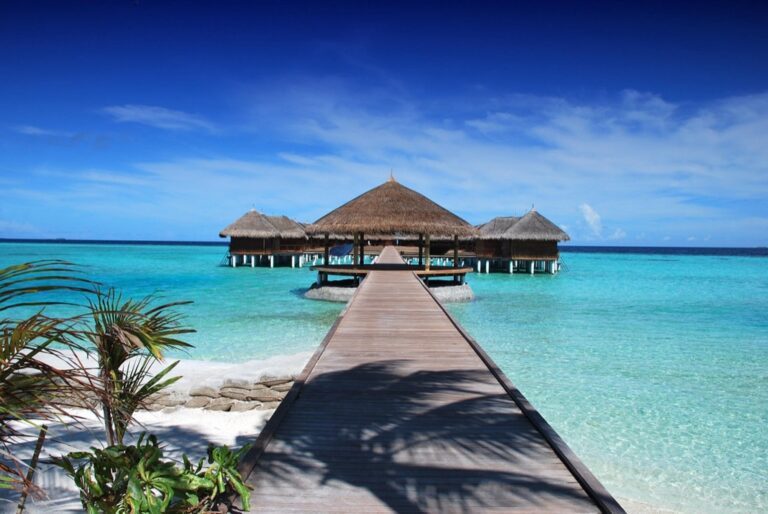
9 Essential Items for a Day Trip to an Uninhabited Barrier Island
Planning a trip to a secluded coast? Pack these 9 essential items for a day trip to an uninhabited barrier island. Read our complete guide to prepare today.
Stepping off your boat onto the untouched sand of an uninhabited barrier island feels like discovering a private paradise, but the line between an idyllic getaway and an emergency is incredibly thin. Without resort amenities, freshwater taps, or cellular service, self-reliance becomes the ultimate rule of the day. Equipping your vessel with the right survival, utility, and comfort gear ensures this offshore adventure remains memorable for all the right reasons.
Disclosure: As an Amazon Associate, this site earns from qualifying purchases. Thank you!
Preparing for the Realities of an Uninhabited Island
Barrier islands are dynamic, shifting environments where weather can turn in minutes and help is hours away. Unlike public beaches, there are no lifeguards, trash cans, or freshwater sources. Every single item needed for hydration, shelter, medical emergencies, and vessel security must be hauled in and hauled out on your own vessel.
Preparing for these remote environments requires planning for the worst-case scenario while hoping for the best. A sudden afternoon squall can drag a poorly anchored boat into the surf or strand a party on the beach due to falling tides. Shifting sands and intense UV exposure mean that standard backyard recreational gear will not hold up to the harsh marine environment.
Marine Cooler – YETI Tundra 45 Hard Cooler
On a wind-swept, unshaded barrier island, the sun beats down relentlessly, quickly turning cheap coolers into lukewarm pools of melted ice. Keeping fresh water, sports drinks, and perishable food ice-cold is not just a matter of comfort; it is a critical defense against heat exhaustion. A high-performance marine cooler acts as your portable life-support system for nourishment during a long day in the elements.
- Capacity: Holds up to 28 cans with a 2:1 ice-to-can ratio
- Construction: Rotomolded polyethylene
- Weight: 23 lbs empty
The YETI Tundra 45 Hard Cooler is the industry benchmark for demanding marine environments. Built with rotomolded polyethylene construction, it can withstand being tossed around a fiberglass deck, serving as an extra seat, or acting as a casting platform. Its thick polyurethane foam walls and commercial-grade freezer gasket ensure ice remains frozen even when sitting on blazing-hot sand.
Buyers should know that rotomolded coolers are heavy, especially when fully loaded with ice and beverages. It often requires a two-person carry over long stretches of soft sand, making a beach wagon a wise companion accessory. This cooler is perfect for day-trippers seeking a bulletproof, long-term investment for a 20-foot center console, but it is not ideal for solo kayakers who require a lightweight soft cooler.
Dry Bag – Sea to Summit Big River Dry Bag
Landing a boat or kayak through coastal surf is a notoriously wet affair, often resulting in spray soaking everything on board. A heavy-duty dry bag keeps your dry layers, towels, car keys, and physical maps completely safe from saltwater intrusion. Without this protection, one rogue wave can ruin expensive key fobs and leave you shivering in wet clothes as the sun goes down.
- Material: 420D ripstop nylon with TPU coating
- Sizes: Available from 5L to 65L (20L is the sweet spot for day trips)
- Waterproof Rating: Heavy rain, spray, and temporary surface submersion
The Sea to Summit Big River Dry Bag stands out due to its rugged 420D nylon fabric, which resists the abrasions of sand, shells, and boat gunwales. Multiple lash loops allow you to secure the bag directly to a kayak deck or boat t-top, ensuring it will not float away if the vessel capsizes. The white interior laminate makes finding small items at the bottom of the bag much easier in bright sunlight.
To ensure a watertight seal, the roll-top closure must be folded tightly at least three times before buckling. This bag is not designed for prolonged underwater submersion, so it should not be used as a diving dry bag. It is the perfect choice for paddleboarders, kayakers, and open-cockpit boaters, but it is unnecessary for those who keep all their gear inside a fully enclosed cabin.
Beach Shade – Shibumi Shade Wind Powered Canopy
An afternoon on a barrier island offers zero natural shade, leaving you completely exposed to intense UV rays reflecting off the water and white sand. Traditional beach umbrellas are heavy, difficult to anchor in loose sand, and easily transform into dangerous airborne projectiles in a sudden gust. A lightweight, wind-resistant shade system is essential to prevent severe sunburn and heat exhaustion.
- Shade Area: 150 square feet of coverage
- Weight: Under 4 pounds
- Sun Protection: UPF 50+ sun protection
The Shibumi Shade Wind Powered Canopy resolves the struggle of beach wind by utilizing it to stay lofted. Unlike heavy metal-framed tents, this canopy uses a single flexible aluminum pole and high-quality sailcloth that flows with the breeze. It sets up in less than three minutes, offers massive coverage, and packs down to the size of a small yoga mat.
This shade requires at least a 3 mph breeze to stay inflated and functional. If the air is completely dead and calm, the fabric will drape down, making it useless on rare, stifling days without wind. It is an exceptional match for breezy coastal beaches, but it is not the right choice for sheltered inland lakes or heavily wooded coastal rivers.
Satellite Messenger – Garmin inReach Mini 2
Cellular towers rarely reach the remote barrier islands flanking the coastline, leaving you in a dangerous communication black hole. If an engine fails, a medical emergency occurs, or changing weather strands you, a satellite messenger is your only direct line to help. It bridges the gap between off-grid exploration and the safety net of search and rescue services.
- Network: Iridium satellite network
- Battery Life: Up to 14 days in 10-minute tracking mode
- Weight: 3.5 ounces
The Garmin inReach Mini 2 is a palm-sized lifesaver that provides reliable global two-way communication. It features interactive SOS capability that connects directly to a 24/7 emergency response coordination center. The TracBack routing feature is incredibly useful on shifting islands, helping you navigate back to your exact landing spot if fog or darkness rolls in.
An active satellite subscription plan is required to use any of the communication features on this device. Users should download the companion Garmin Messenger app on their smartphone at home to make typing messages much easier. This is a must-have device for solo boaters and remote explorers, while those who stay within busy, cell-covered harbors can skip it.
Water Purifier – Grayl GeoPress Purifier Bottle
Hydration is your primary defense against the punishing heat of a barrier island, but hauling enough fresh water for an emergency can weigh down small vessels. If you run out of drinking water due to a delayed departure, a purifier allows you to tap into freshwater springs, rain pools, or brackish island marshes. It serves as an indispensable backup safety net when your primary water supply runs dry.
- Capacity: 24 ounces (710 ml) per press
- Purification Time: 8 seconds per press
- Protection: Removes viruses, bacteria, protozoa, microplastics, and heavy metals
The Grayl GeoPress Purifier Bottle is designed for rapid, effortless purification in the field. Using a simple press-and-purify design, it filters out waterborne pathogens, chemicals, and microplastics in seconds without requiring pumps or hoses. The rugged, grippy exterior is built to handle drops onto wet boat decks or hard-packed sand.
It is critical to understand that this purifier does not desalinate seawater. It cannot remove salt, meaning it must only be used on the island’s freshwater lenses, rain catchments, or brackish pools in an emergency. This is an essential safety item for adventurous paddlers and boaters, but it is not a replacement for carrying ample freshwater gallons on your vessel.
Shore Anchor – Slide Anchor Large Shore Spike
Beaching a boat on a barrier island without a secure shore anchor is a recipe for disaster. The incoming tide can lift your boat and carry it out to sea, or an outgoing tide can leave your hull high and dry on the sand. A dedicated shore spike holds your vessel securely in place against strong currents, tidal swings, and passing boat wakes.
- Material: Hot-dip galvanized or stainless steel
- Vessel Size: Suitable for boats up to 30 feet
- Holding Power: Drives deep into sand, clay, or gravel
The Slide Anchor Large Shore Spike is engineered to provide maximum holding power with minimal effort. It features a unique tubular slide handle that acts as a built-in slide hammer, driving the spike deep into hard-packed sand or clay. Once driven in, it stays flush with the sand, preventing stubbed toes and tripped beachgoers.
To use this safely, it must be paired with a high-quality dock line and a bungee anchor line to absorb wave shock. Users must clean the sliding mechanism regularly, as trapped salt and sand can cause the metal sleeve to bind over time. This spike is a crucial tool for center console and pontoon boaters, but it is unnecessary for kayakers who can easily haul their light craft completely out of the water.
Marine First Aid Kit – Adventure Medical Kits Series 100
A minor cut from a sharp oyster shell or a sting from a jellyfish can quickly ruin a day trip if left untreated. In remote coastal environments, infection from warm saltwater bacteria is a serious risk that requires immediate disinfection and dressing. A marine-specific first aid kit contains the specialized supplies needed to treat aquatic injuries miles away from the nearest clinic.
- Packaging: 100% waterproof dry bag
- Group Size: Intended for 1 to 4 people
- Key Contents: Wound care, medication, sting relief, and a waterproof first aid manual
The Adventure Medical Kits Marine Series 100 is tailored specifically for the injuries most common to boaters and beachgoers. The entire kit is housed in a waterproof DryTek bag, ensuring the contents remain dry even if the kit sits in a wet bilge. It includes high-quality trauma supplies, burn dressings, and marine-specific treatments for jellyfish stings and fish hook removal.
First aid supplies have shelf lives, so the kit must be inspected annually to replace expired medications and bandages. It is also wise to familiarize yourself with the included waterproof manual before an emergency actually occurs. This kit is perfect for day-tripping families and coastal anglers, but it is too basic for offshore cruisers heading hundreds of miles out to sea.
Portable Power Bank – Anker PowerCore Solar 20000
Smartphones and handheld electronics drain batteries quickly when searching for weak cell signals or running GPS tracking apps in the bright sun. If your phone, VHF radio, or GPS unit dies, you lose your ability to navigate, monitor weather, or call for assistance. A ruggedized, high-capacity power bank ensures your primary electronic lifelines remain fully charged throughout the day.
- Capacity: 20,000mAh
- IP Rating: IP65 dustproof and water-resistant
- Input/Output: USB-C and dual USB-A ports
The Anker PowerCore Solar 20000 is built specifically to withstand the harsh, unforgiving environments of open water and sandy beaches. It features a shock-absorbing, dustproof, and IP65 water-resistant housing that can handle splashes and accidental drops. The built-in solar panel provides a trickle charge in emergency situations when no power source is available.
The solar panel is intended only for emergency trickle charging, not as the primary charging method. It can take several days of direct sunlight to fully charge the bank via solar alone, so it should always be charged at home via a wall outlet before your trip. This power bank is perfect for gear-heavy adventurers running cameras and navigation apps, but it is overkill for minimalist paddlers carrying only basic analog gear.
VHF Marine Radio – Standard Horizon HX890
A handheld VHF marine radio is your most reliable tool for real-time communication with the Coast Guard, local marine patrols, and nearby vessels. Unlike cell phones, which rely on terrestrial towers, VHF radio operates on line-of-sight frequencies that work miles from the shore. In a sudden maritime emergency, broadcasting on Channel 16 is the fastest way to summon immediate assistance from nearby boaters.
- Transmit Power: 6 Watts
- Special Features: Integrated GPS, DSC, and MOB (Man Overboard) function
- Buoyancy: Floating, water-activated strobe light
The Standard Horizon HX890 is a rugged, floating handheld VHF radio loaded with life-saving features. It features a built-in 66-channel GPS receiver that allows the radio to transmit your exact coordinates during a Digital Selective Calling (DSC) distress call. If the radio falls overboard, it floats face-up and activates a bright strobe light, making it easy to retrieve in low-light conditions.
Users must understand basic VHF radio protocols, such as using Channel 16 strictly for hailing and distress. The range of a handheld VHF is limited by its lower antenna height, typically reaching 3 to 5 miles, which is shorter than high-power fixed-mount boat radios. This safety device is highly recommended for kayakers, jet skiers, and boaters navigating coastal waters, but it is not necessary for small inland lakes.
How to Plan Your Water and Tide Windows Safely
Tidal swings are the single most common cause of day-trip disasters on barrier islands. A beautiful sandy cove that looks perfect at high tide can quickly transform into an impassable mudflat just six hours later, grounding your vessel and leaving you stranded. Understanding your vessel’s draft and cross-referencing it with local tide tables is a mandatory step before pushing off from the boat ramp.
When beaching a boat, always anchor bow-out into the incoming waves with a stern line secured to the shore spike. This specific orientation allows you to easily pull the boat into deeper water as the tide drops throughout the day. Never leave your vessel unattended on a falling tide without adjusting your lines, or you risk returning to find a heavy fiberglass hull resting high and dry on the sand.
Crucial Leave No Trace Principles for Barrier Islands
Barrier islands are fragile, constantly shifting ecosystems that serve as critical nesting grounds for sea turtles and sensitive shorebirds. Human trash, discarded fishing lines, and disrupted sand dunes can have devastating impacts on these delicate habitats. Following the core tenets of Leave No Trace ensures these wild spaces remain pristine for both wildlife and future visitors.
Always pack out every single piece of trash, including food scraps and organic waste like apple cores, which can attract predators that feed on bird eggs. Respect designated nesting areas, which are often roped off to protect vulnerable species like piping plovers and nesting sea turtles. Leave nothing but your footprints, and ensure any temporary beach structures, like shades, driftwood shelters, or sandcastles, are completely dismantled before you depart.
Venturing out to an uninhabited barrier island offers a rare chance to experience the coast in its most natural, untouched state. By equipping your vessel with robust gear like a reliable marine cooler, a secure shore anchor, and emergency communication tools, you ensure a safe and successful journey. Respect the power of the tides, leave the shore cleaner than you found it, and enjoy the unmatched peace of a truly wild coastline.