
Essential Safety Gear for Kids on Pontoon Boats
Keep your family secure on the water with these 9 essential safety gear items for kids on a crowded pontoon boat. Read our expert guide to prepare for your trip.
Picture a sunny Saturday afternoon on a 22-foot pontoon boat packed with family, music playing, and kids darting between the lounge seats. While pontoons are famous for their stable, living-room-like comfort, a crowded deck can quickly obscure safety hazards and block lines of sight. Keeping young passengers safe in this dynamic environment requires a deliberate combination of proactive gear, strategic layout management, and clear onboard rules.
Disclosure: As an Amazon Associate, this site earns from qualifying purchases. Thank you!
Managing a Crowded Pontoon Deck Safely With Children
Pontoon boats are essentially floating patios, which makes them incredibly popular for family gatherings but deceptively difficult to manage when crowded. The wide-open deck layout encourages passengers to move around, often blocking the captain’s line of sight and crowding the helm. When children are in the mix, their low height puts them below the average adult’s field of vision, making it easy for them to slip toward the bow or stern gates unnoticed.
Safe deck management starts with dividing the boat into active and passive zones. Designate the area immediately around the helm and the rear boarding gates as strictly off-limits for play while the engine is running. Assigning at least one adult as a dedicated “water watcher” ensures that children are constantly monitored, freeing up the captain to focus entirely on navigating busy waterways.
Youth Life Jacket – Mustang Survival Rev Young Adult
A life jacket only works if a child actually wears it without constant complaining, making comfort and mobility just as critical as buoyancy. On a crowded pontoon, children need a personal flotation device (PFD) that allows them to sit, reach, and play without the collar chafing their neck or the jacket riding up to their chin.
The Mustang Survival Rev Young Adult life jacket solves these issues with a segmented foam design and a cooling mesh back that prevents overheating on hot summer days.
- User Weight: 55 to 88 pounds
- USCG Rating: Harmonized Level 70 (Type III equivalent)
- Material: Durable 400D ripstop nylon shell
- Key Feature: Segmented foam panels with a cooling mesh back
This specific model is tailored for youth, featuring heavy-duty zippers and quick-release buckles that keep the jacket securely fitted even during high-impact water entries. The durable shell resists the typical wear and tear of being tossed into boat lockers, while the bright color options ensure high visibility in crowded water.
Before purchasing, verify your child’s chest measurement rather than relying solely on weight, as a snug fit under the arms is essential to prevent the vest from slipping over the head in the water. This PFD is ideal for active kids who enjoy tubing or swimming off the pontoon, but it is not designed for toddlers or infants who require oversized head-support collars to keep their airways clear automatically.
Throwable Device – Onyx Outdoor Type IV Cushion
If a child or adult slips off the platform while the pontoon is underway, a USCG-approved Type IV throwable device is the fastest way to deliver immediate flotation. In a crowded boat, these cushions serve a double duty as comfortable helm or bench seating, keeping them within arm’s reach of the captain or passengers.
The Onyx Outdoor Type IV Cushion features dual webbed throw straps that allow for accurate, long-distance tossing even in windy conditions.
- Dimensions: 15 x 15 x 2.5 inches
- Approvals: USCG Approved Type IV Device
- Outer Material: Heavy-duty, UV-resistant polyester
- Best For: Immediate emergency deployment and temporary seating
Constructed with a durable, water-resistant shell and buoyant foam core, this cushion resists mold and UV degradation from constant sun exposure. The bright safety colors ensure that both the swimmer and the rescuer can easily track the device in choppy lake water.
Remember that a throwable cushion is never a replacement for a wearable life jacket and should never be buckled or tied down to the boat’s rails, as it must be deployable within seconds. This item is a legal and practical must-have for any pontoon captain, though it is not suited for unconscious victims who cannot actively hold onto the straps.
Marine First Aid Kit – Adventure Medical Kits Marine 100
Minor scrapes, fishhook punctures, and sudden motion sickness can quickly ruin a family day on the water if you do not have the right medical supplies on board. A standard household first aid kit will quickly disintegrate in the damp, humid storage compartments of a pontoon boat.
The Adventure Medical Kits Marine 100 is specifically packed in a water-resistant, padded case that protects sensitive medical supplies from splashing and high humidity.
- Group Size: 1 to 6 people
- Case Material: Water-resistant, padded zippered nylon
- Key Contents: Wound care supplies, burn treatments, motion sickness medication, and survival tools
- Organization: Injury-specific inner pockets
This kit is organized into clear, injury-specific pockets, allowing you to quickly locate burn treatments, bandages, or antiseptic wipes while managing a distressed child on a moving deck. It contains high-quality components like butterfly bandages, sterile gauze, and motion sickness medication tailored for typical marine accidents.
This kit is perfect for day-tripping pontoon owners who stay within a reasonable distance of shore and need quick access to basic trauma and wound care. However, if you regularly boat in remote areas or large offshore lakes, you will need to supplement this kit with additional splints, emergency blankets, and specialized prescription medications.
Emergency Whistle – Storm All Weather Safety Whistle
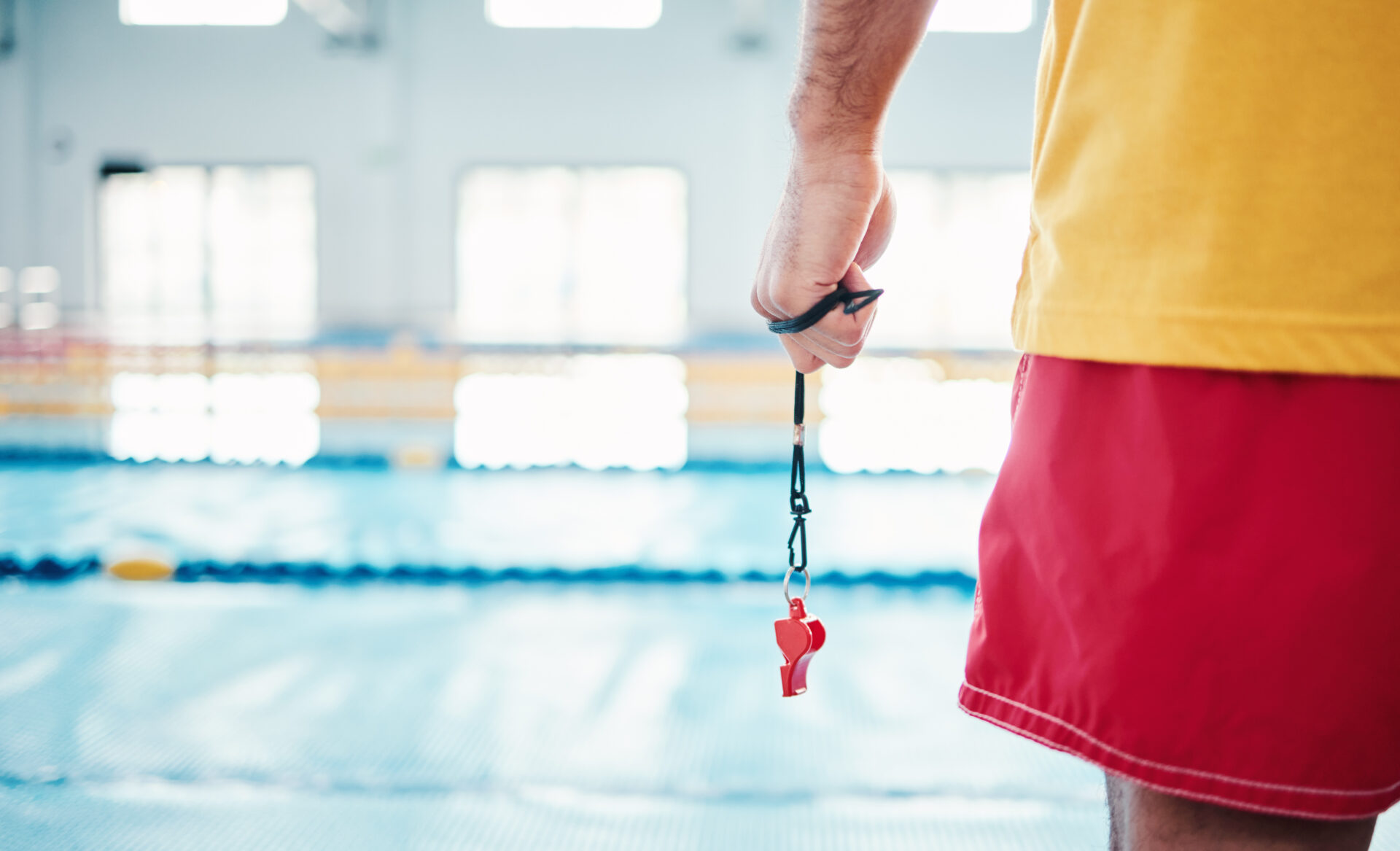
On a crowded lake, the roar of outboard engines, wind, and music can easily drown out a child’s scream for help. An emergency whistle attached directly to a child’s life jacket ensures they can signal the boat or nearby vessels even if they are exhausted or struggling to stay above water.
The Storm All Weather Safety Whistle is engineered to be incredibly loud, capable of being heard over a mile away on land and up to 50 feet underwater.
- Decibel Rating: Up to 120 dB
- Body Material: High-impact, non-corrosive thermoplastic
- Attachment: Integrated lanyard hole and split-ring clip
- Performance: Operates fully submerged in water
This whistle features a unique thermoplastic chamber design that works perfectly even after being completely submerged in water. Its compact, high-impact plastic body easily clips onto PFD lash tabs or zippers without snagging on deck furniture or swim ladders.
While highly effective, this whistle is incredibly loud—producing sounds up to 120 decibels—so children must be taught to use it only in genuine emergencies to prevent hearing damage. It is an indispensable safety addition for every child on board, but it requires a secure lanyard or clip to prevent it from getting lost during active swimming.
Deck Safety Netting – Ironwood Pacific Pontoon Net
The open playpen design of a pontoon is great for socializing, but the large gaps between the deck floor and the aluminum railings present a serious fall hazard for small children. A crawling toddler or distracted child can easily slip through these openings while the boat is cruising or docking.
The Ironwood Pacific Pontoon Net provides a durable barrier that closes these gaps without blocking the refreshing lake breeze or ruining the boat’s clean aesthetic.
- Height: 24 inches
- Length Options: 10-foot and 20-foot rolls
- Material: UV-stabilized, heavy-duty black mesh
- Installation: Included zip ties and mounting clips
Made from heavy-duty, UV-stabilized mesh netting, this safety barrier is designed to withstand harsh outdoor elements, salt spray, and constant tugging from curious hands. It secures tightly to the existing rail stanchions using heavy-duty zip ties or integrated mounting hardware, ensuring a custom fit for most standard pontoon configurations.
Before installing, measure your specific rail heights and lengths, as loose netting can sag and fail to provide adequate protection. This netting is a must-have for parents of toddlers and preschoolers, but it may not be necessary once children are old enough to understand rail safety and boat boundaries.
Emergency Ladder – Garelick EEz-In II-Step Shackle
Most pontoons come with a stern boarding ladder, but if that ladder is blocked by a running outboard motor or crowded with gear, getting an exhausted child out of the water quickly becomes a dangerous challenge. A portable emergency ladder provides an alternative boarding point on the side bow or mid-ship gates.
The Garelick EEz-In II-Step Shackle is a compact, easily deployable boarding aid designed to hang securely from standard pontoon cleats or bow eyes.
- Step Count: 2 traction-grooved steps
- Material: Anodized aluminum with high-tensile poly rope
- Weight Capacity: Up to 300 pounds
- Mounting: Attaches to standard cleats or bow eyes
Constructed with traction-grooved anodized aluminum steps and high-tensile strength rope, this ladder provides stable footing for wet feet and prevents slipping. Its lightweight design allows it to be stored compactly in an under-seat locker, ready to be deployed over the gunwale in seconds.
Users should practice deploying this ladder while anchored, as flexible rope ladders can swing under the boat hull if the climber does not keep their center of gravity centered. This is an excellent backup safety tool for any multi-passenger pontoon, though heavy adults may find rigid, permanent transom ladders easier to climb.
Marine Air Horn – Falcon Safety Super Sound Horn
When navigating a crowded waterway on a pontoon, you must be able to instantly signal your position or alert oncoming vessels of a hazard. A built-in electric boat horn can fail due to battery drain or corroded wiring, leaving you mute at a critical moment.
The Falcon Safety Super Sound Horn is a reliable, hand-held canister horn that emits a powerful blast capable of cutting through engine noise and weather.
- Decibel Rating: 120 dB at 10 feet
- Range: Up to 1 mile
- Canister Size: 1.5 ounces (fits in palm of hand)
- USCG Compliance: Meets USCG requirements for boats up to 65 feet
This USCG-approved signaling device features a non-flammable propellant and a high-impact horn head that delivers a 120-decibel signal audible up to one mile away. Its compact size fits neatly into helm storage trays or emergency dry bags for instant access.
Be sure to store the canister in an upright position and away from direct, high heat to prevent accidental pressure loss. This horn is essential for any captain operating in busy channels, but it should be kept out of reach of children to prevent accidental ear damage.
Waterproof Flashlight – ACR Firefly PRO Water Activated
If a family cruise runs past sunset, or if a storm rolls in unexpectedly, high-visibility lighting becomes your primary safety asset. Standard flashlights easily short-circuit if dropped in water, rendering them useless when you need them most.
The ACR Firefly PRO Water Activated strobe light is a heavy-duty safety light designed to turn on automatically when it hits the water, flashing intensely to mark a location.
- Light Output: Brilliant 26.8-lumen LED
- Battery Life: Over 56 hours of continuous use
- Battery Type: 2 AA batteries (lithium or alkaline)
- Visibility: Visible for over 3 miles in clear conditions
This strobe features a high-intensity LED that produces a brilliant omnidirectional light visible for over three miles. Running on easily replaceable AA batteries, it provides continuous operation for over 56 hours, far outlasting standard emergency flares.
This device can be easily slid into a PFD pocket or lashed to a life vest shoulder strap for hands-free safety. It is a vital tool for evening cruises and rough-water transit, though it is not designed to function as a focused, directional spotlight for navigating dark channels.
Propeller Guard – Prop Guard 11 Inch Safety Guard
The single greatest hazard to children swimming around a pontoon boat is the underwater propeller. Even when the engine is in neutral, a shifting current or accidental throttle bump can cause catastrophic injuries in a split second.
The Prop Guard 11 Inch Safety Guard is a rigid, high-impact polycarbonate cage that completely surrounds the propeller to prevent physical contact with human limbs or marine life.
- Diameter: 11 inches
- Material: High-impact, UV-stabilized polycarbonate
- Compatibility: Fits 25 HP to 35 HP outboard motors (verify size charts)
- Key Benefit: Eliminates propeller strike risk and improves handling
This engineered shroud not only provides physical protection but also improves propeller efficiency by reducing nozzle cavitation and steering torque, which can actually improve fuel economy at low cruising speeds. It attaches directly to the cavitation plate and skeg of your outboard motor using basic hand tools, making it a straightforward DIY installation.
Ensure you match the guard size precisely to your outboard motor’s horsepower and propeller diameter, as a mismatch will cause drag and severe vibration. This guard is highly recommended for pontoon boats that spend a lot of time anchored in busy swim coves, but it may slightly decrease top-end speed on high-horsepower performance tri-toons.
How to Set and Enforce Strict Onboard Boat Rules
Having the best safety gear on the market is useless if you do not establish a clear, non-negotiable set of behavioral rules before leaving the dock. Children naturally view a pontoon boat as a floating playground, so you must establish firm boundaries to counter this mindset. Before casting off, gather all passengers on the deck for a quick, three-minute safety brief to lay down the law of the vessel.
The golden rule of pontoon safety is that the boat does not move unless everyone is seated inside the playpen with all gates securely latched. Riding on the bow platform outside the front gate—often called “bow riding”—must be strictly prohibited, as slipping off the front means falling directly under the boat and the propeller. Additionally, establish a clear rule that life jackets stay on and buckled from the moment a child steps onto the dock until they are back on dry land.
Enforcing these rules requires consistent, calm authority from the captain and cooperation from other adults on board. If a child repeatedly ignores safety boundaries, do not hesitate to cut the engine, sit down, or even return to the marina early to show that safety is non-negotiable. Consistent enforcement builds a healthy boating culture where kids eventually follow these safety practices automatically.
Preparing the Pontoon for Emergencies Before Launch
True emergency preparedness starts long before you turn the ignition key at the boat ramp. A crowded deck leaves very little room to search for misplaced gear in the heat of a crisis, meaning organization is your best defense. Create a dedicated “safety locker” near the helm that is clearly labeled and accessible to all adults, ensuring that first aid kits, horns, and throwables are never buried under beach towels or coolers.
Perform a pre-launch walkthrough of the boat to test your bilge pump, confirm the battery is fully charged, and ensure the fire extinguishers are pressurized and unexpired. Always file a simple float plan with a family member or friend on shore, detailing where you are going, who is on board, and when you expect to return.
Finally, conduct a quick drill with your designated adult “water watcher” so they know exactly how to throw the rescue cushion and how to cut the engine throttle instantly in a man-overboard situation. Taking these deliberate steps before launching ensures that your pontoon remains a safe, controlled haven of summer fun for your entire family.
Safe pontooning with children is all about proactive preparation and having the right gear positioned exactly where you need it. By investing in these nine essential safety items and establishing clear onboard boundaries, you can confidently navigate crowded waters knowing your young passengers are fully protected. Enjoy your time on the water, stay alert, and make every cruise a safe one.


