9 Essential Wakeboarding Gear Must-Haves for the Lake
Gear up for your next ride with these 9 essential pieces of wakeboarding gear. Read our expert guide to ensure a safe and successful day on the lake today.
There is nothing quite like the feeling of slicing through a glass-calm lake early in the morning before the rest of the world wakes up. However, a single forgotten piece of gear or a mismatched setup can quickly turn a perfect day on the water into a frustrating trip back to the boat ramp. Investing in the right equipment ensures every rider in your crew stays safe, builds confidence, and maximizes their time on the wake.
Disclosure: As an Amazon Associate, this site earns from qualifying purchases. Thank you!
Getting Your Boat and Crew Ready for the Wake
Before anyone even straps into a board, your boat needs to be prepped for safe towing operations. This means verifying that your tow point, whether a transom tow eye or a wakeboard tower, is structurally sound and free of sharp edges that could fray a rope. It also means establishing clear roles on board, ensuring you have a dedicated driver and a designated spotter who never takes their eyes off the rider.
Ballast and weight distribution are key to shaping a clean, rideable wake, but they must be managed safely. Overloading a boat can compromise its handling, drain the battery, and swamp the stern when slowing down. Keep your passengers seated in designated spots rather than on the gunwales, and ensure your bilge pump is fully operational before adding any extra weight.
Beginner Wakeboard – Hyperlite State 2.0
Learning to ride on a board that fights you is a quick way to end a lake day in frustration. A beginner-focused board needs to offer immense stability, predictable tracking, and features that compensate for common body position mistakes. Without a forgiving shape, new riders spend more time face-planting in the water than actually standing up and progressing.
The Hyperlite State 2.0 is an excellent entry-level board because of its innovative asymmetrical edge design. The toe-side edge is shorter and features molded-in fin extensions, making it significantly easier for riders to initiate toe-side carves—the hardest fundamental skill to master. The heel-side edge is longer and more traditional, allowing for a natural, stable posture when pulling against the boat’s wake.
This board utilizes a durable Abrupt Continuous Rocker that delivers consistent pop off the wake without causing unpredictable launches. When purchasing, pay close attention to the rider weight charts, as choosing a board that is too small will make deep-water starts incredibly difficult. This board is perfect for families and progression-minded beginners, but advanced riders looking to execute high-flying, aggressive tricks will find the asymmetrical design limiting.
Wakeboard Bindings – Ronix District Boots
Bindings are the direct link between a rider’s feet and the board, meaning a poor fit leads to sluggish control and painful foot cramps. You need a binding that locks the heel down securely while still allowing enough flexibility to absorb heavy landings. On a shared family boat, finding a set of bindings that can adjust to multiple foot sizes without sacrificing performance is a massive win.
The Ronix District Boots strike the perfect balance with an open-toe design that accommodates a wide range of foot sizes. They feature a MainFrame chassis that maximizes foot support and responsiveness, paired with Stage 2 high-grade foam liners for exceptional shock absorption. The dual lace system allows riders to tighten the upper and lower zones independently, ensuring a snug, custom-like fit.
Because these boots feature an open toe, they are highly versatile: * Size S/M fits men’s sizes 5 to 8.5 * Size M/L fits men’s sizes 7.5 to 11.5 * Size L/XL fits men’s sizes 10.5 to 14.5
These boots are ideal for boat owners who host groups of varying sizes, though riders seeking absolute, zero-slip precision for competitive tricks might still prefer a dedicated, closed-toe model.
Life Jacket – O’Neill Assault USCG Vest
Wakeboarding involves high-speed falls where hitting the water can feel like hitting concrete. A high-quality life jacket does more than just keep you afloat; it protects your ribs from impact and prevents the wind from getting knocked out of you. A standard, bulky nylon rental vest will ride up around your ears during a run, ruining your posture and focus.
The O’Neill Assault USCG Vest is built with NytroLite foam, which is three times lighter and absorbs less water than standard PVC foam. This makes the vest incredibly lightweight while maintaining a U.S. Coast Guard Approved Type III safety rating. Its integrated lumbar support structure stabilizes your back, while the segmented foam core panels bend and flex naturally with your torso as you carve and spin.
Fit is everything when buying this vest, as it must fit snugly against the skin without restricting deep breathing when dry. Keep in mind that neoprene stretches slightly when wet, so if you are between sizes, it is usually best to size down for a secure fit. This vest is the ultimate choice for active riders who demand safety and unrestricted movement, but it is not intended for non-swimmers who require a Type I or II offshore life jacket.
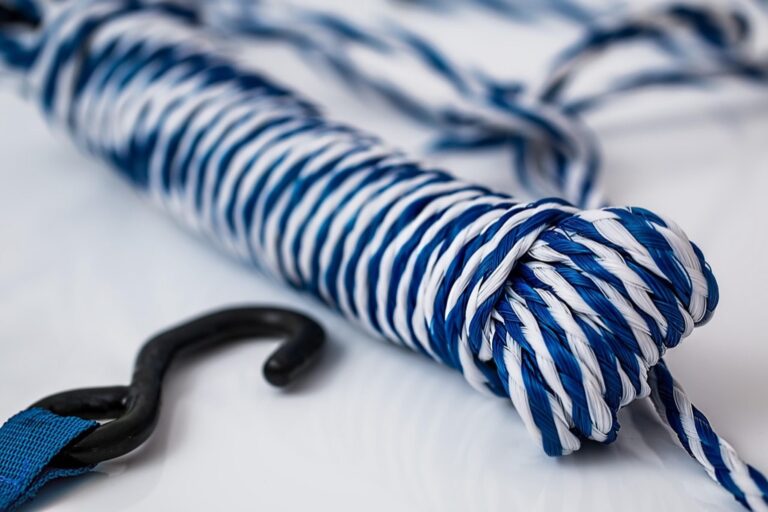
Wakeboard Tow Rope – Airhead Spectra Thermal
Using a standard, stretchy water ski rope for wakeboarding is a recipe for frustration and dangerous snap-backs. Wakeboarders need a zero-stretch line to maintain constant tension; when you edge away from the boat, any stretch in the rope will snap back and pull you off balance. A proper wake line acts as a rigid extension of the boat, allowing you to load energy into the line and jump the wake predictably.
The Airhead Spectra Thermal tow rope features a Spectra line encased in a thermal-coated protective jacket, making it virtually stretch-free and completely floatable. This construction ensures the line resists kinking, tangling, and UV damage over seasons of heavy use. The 15-inch handle features a comfortable EVA grip and a full-length PVC notch tub to prevent finger pinching during hand-to-hand passes.
This rope comes with a total length of 70 feet, broken down into multiple sections: * Mainline segments at 50, 60, 65, and 70 feet * Allows customization based on boat speed and wake width
While the zero-stretch design is perfect for wakeboarding and launching off wakes, it should never be used for tubing, as the sudden jerks from a heavy tube can break the line or damage boat hardware.
Watersports Helmet – Liquid Force Icon Helmet
Edge catches are the most dreaded falls in wakeboarding, occurring when the board’s leading edge digs into the water and whips your head down at high speed. A dedicated watersports helmet prevents concussions, skull fractures, and painful ear-drum ruptures caused by high-impact water entries. Regular skate or bike helmets are useless here, as they absorb water, become heavy, and rot quickly.
The Liquid Force Icon Helmet features a high-density, CE-certified ABS plastic shell designed to deflect high-velocity water impacts. Inside, it utilizes a dual-density Sweat Saver foam liner that provides a plush, comfortable fit while resisting water retention. This helmet is specifically engineered with built-in ear vents to prevent pressure build-ups during side-impact falls while still allowing you to hear instructions from the boat.
When fitting the helmet, ensure it sits level on the head and does not tilt backward, exposing the forehead. Use the adjustable chin strap to secure it tightly enough that it cannot be shaken loose, but not so tight that it restricts swallowing. This helmet is essential gear for anyone hitting wakeboard park obstacles or learning jump transitions, but casual, low-speed riders may find the added weight unnecessary if they stick to simple surface turns.
Wakeboard Bag – Dakine Daylight Board Bag
Leaving your wakeboard loose in the back of a truck or bouncing around on the boat deck is an easy way to ruin your fins, scratch the graphics, and tear your binding laces. Road debris, sun exposure, and friction during transport cause subtle damage that compromises the structural integrity of your board. A dedicated, padded board bag keeps your gear organized and protected from the elements.
The Dakine Daylight Board Bag is constructed with heavy-duty, 600D polyester fabric on the top and a heat-and-water-resistant tarpaulin bottom to keep your board cool in hot trunks. It features foam padding along the edges and base to cushion the board against dings during travel. A full-length, heavy-duty zipper allows for quick loading, while the padded shoulder strap makes carrying gear down long docks a breeze.
Before purchasing, measure your board with the bindings attached to ensure a proper fit: * 135cm bag fits boards up to 135cm * 140cm bag fits boards up to 140cm * 145cm bag fits boards up to 145cm
While this bag is exceptional for daily lake trips and road travel, it lacks the thick, rigid armor necessary for airline travel, which would require a heavy-duty, fully padded wheeled coffin bag instead.
Spring Wetsuit – O’Neill Reactor-2 Springsuit
Cold water quickly saps a rider’s energy, tightening muscles and increasing the risk of cramping or injury. A spring suit keeps your core warm while leaving your arms and lower legs free, providing the perfect balance of thermal protection and mobility. It also protects your skin from wax rash, harness rub, and wind chill when sitting on the boat between sets.
The O’Neill Reactor-2 Springsuit features a 2mm neoprene construction utilizing O’Neill’s proprietary UltraFlex technology for maximum stretch. The chest and back panels are lined with wind-resistant FluidFlex Smoothskin, which acts as a barrier against cold gusts. Its flatlock stitched seams lie smooth against the skin to eliminate chafing, while the heavy-duty back zipper with a long pull cord makes self-donning simple.
For a wetsuit to work correctly, it must fit like a second skin with no gaps or bagging, particularly in the crotch, underarms, and lower back. If it is too loose, water will constantly flush through the suit, defeating its warming purpose. This springsuit is perfect for early-season lake sessions and cool mornings, but it will not provide enough insulation for water temperatures dipping below 60°F, where a full steamer suit is required.
Wake Shaper – MISSION Boat Gear DELTA 2.0
Even the best wakeboarders cannot perform tricks on a washed-out, turbulent wake. Standard boat hulls naturally create symmetrical wakes that collapse on themselves, making it difficult to find a clean lip to jump off of. A wake shaper attaches to the side of the hull near the stern, disrupting the water flow on one side to make the opposite wake clean, steep, and incredibly stable.
The MISSION Boat Gear DELTA 2.0 uses powerful, industrial-grade suction cups that attach to the hull of almost any inboard or V-drive boat without leaving marks. Its engineered Hycar rubber panels optimize the hydrodynamics of the water flowing past the boat, creating a massive, clean wave pocket. Because it is highly portable, you can quickly switch it from the port side to the starboard side to accommodate both regular and goofy-foot riders.
Before buying, inspect your boat’s hull to ensure you have a flat, smooth area of at least 5×13 inches below the waterline that is free of decals or step-downs. Keep in mind that this device is designed exclusively for inboard, V-drive, or forward-drive propulsion systems. You must never use a wake shaper on an outboard or standard stern-drive boat, as the rider will be positioned dangerously close to a spinning propeller.
Waterproof Dry Bag – YETI Panga 75 Duffel
Between wet ropes, dripping life jackets, and occasional spray over the bow, the inside of a wake boat is a wet environment. Leaving your dry clothes, towels, keys, and electronics exposed on a seat is a recipe for soaked gear and ruined phones. A fully submersible, rugged dry bag acts as an impenetrable vault, ensuring your warm clothes stay dry for the ride home.
The YETI Panga 75 Duffel is built from an ultra-durable ThickSkin Shell made of high-density nylon, making it completely puncture- and abrasion-resistant. It utilizes a Hydrolok Zipper that creates an airtight, fully submersible seal, guaranteeing that not a single drop of water gets inside even if the bag ends up floating in the lake. The bag also features DryHaul straps, allowing you to carry it comfortably as a backpack when loading gear down the dock.
This bag is designed for rough lake life and demands minimal maintenance, though you should occasionally apply the included zipper lubricant to keep the airtight zipper sliding smoothly. With a 75-liter capacity, it easily holds towels, dry clothes, and electronics for a crew of three. It is an excellent investment for anyone who spends full days on open water, but casual riders who only take short trips close to shore may find a smaller, roll-top dry sack sufficient.
Essential Hand Signals Every Rider Must Know
In the noisy environment of a running motorboat, vocal communication between the rider and the crew is virtually impossible. This makes clear, standardized hand signals the absolute foundation of water safety and rider progression. Before the boat leaves the dock, every passenger, driver, spotter, and rider must review and agree on these signals to prevent dangerous misunderstandings.
To request a speed adjustment, the rider should give a thumbs-up to speed up or a thumbs-down to slow down. If the speed is perfect, a simple “OK” gesture with the fingers lets the driver know to lock it in. When a rider wants to turn around or change direction, circling an index finger in the air communicates this clearly to the spotter.
For safety, a rider must pat the top of their head immediately after falling to signal “I’m OK” to the boat crew. If a rider needs to stop immediately or wants the driver to cut the engine, they should slash their hand across their throat. Finally, pointing toward the dock or the shore tells the driver the rider is fatigued and ready to wrap up the session.
How to Clean and Store Your Gear After Ride Day
Lake water is filled with microorganisms, algae, and minerals that will slowly degrade your gear if left unchecked. Letting your board, bindings, and life jackets sit wet in a dark boat locker creates the perfect breeding ground for mold, mildew, and foul odors. Proper post-ride maintenance only takes a few minutes but will easily double the lifespan of your expensive water recreation equipment.
Always rinse your board, bindings, and life jackets with clean, fresh water after every session to wash away lake grime and silt. Once rinsed, dry everything thoroughly in a shaded, well-ventilated area rather than leaving them in direct sunlight. High UV exposure breaks down the neoprene in life jackets, degrades the plastics in bindings, and causes board graphics to fade and crack over time.
Before packing your gear away in a storage bag or locker, ensure it is completely dry to prevent rot and rust on the binding hardware. Store your boards flat or vertically on a dedicated rack in a climate-controlled space rather than a hot garage. Inspect your binding bolts periodically, as the vibrations from riding can loosen them, and apply a light coat of marine-grade anti-seize to the threads if you ride in brackish water.
Having the right gear turns a standard day on the lake into an unforgettable, high-performance riding session. By investing in quality equipment and maintaining it properly, you protect both your crew and your hard-earned investments. Gear up, stay safe, and enjoy every carve and jump the lake has to offer.