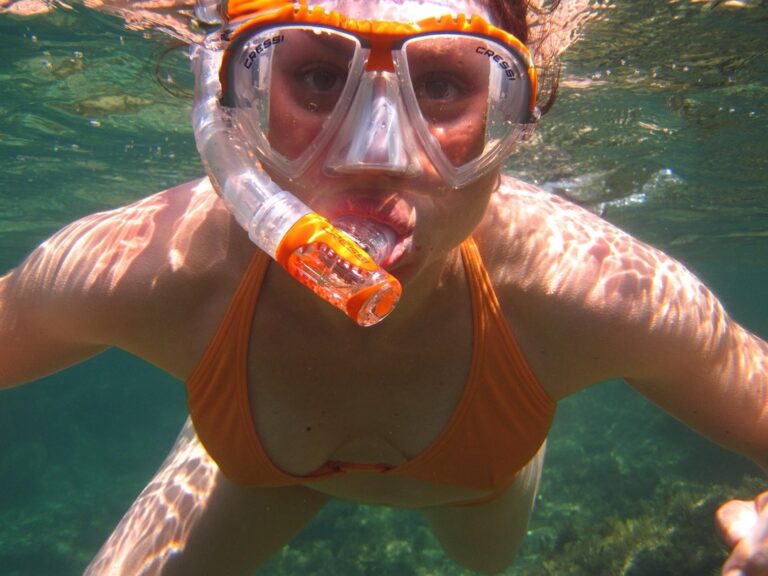
8 Essential Snorkeling Gear Picks for Coral Reefs
Explore our 8 essential snorkeling gear picks for coral reefs. Choose the right equipment to enhance your underwater experience and protect fragile ecosystems today.
Floating over a vibrant coral reef is one of the most breathtaking experiences on water, but a leaking mask or a stiff pair of fins can quickly turn a dream excursion into a stressful ordeal. Reef environments present unique challenges, from unpredictable currents and sharp coral heads to intense tropical sun exposure. Having the right, purpose-built gear ensures safety, comfort, and an unobstructed view of the marine world below.
Disclosure: As an Amazon Associate, this site earns from qualifying purchases. Thank you!
How to Choose the Right Gear for Reef Snorkeling
Reef snorkeling requires equipment that balances comfort, maneuverability, and protection. Unlike swimming in a calm backyard pool, ocean reefs expose snorkelers to tidal currents, surges, and sharp underwater structures. Gear must fit securely without restricting movement, allowing for easy breathing and clear vision without constant adjustments.
Prioritize high-quality materials like hypoallergenic liquid silicone for masks and durable, flexible composites for fins. Cheap, plastic-heavy vacation sets often leak, chafe, or break under pressure, which can lead to panic in deep water. Choosing the right gear means focusing on reliability, fit, and specific features designed to withstand the harsh, corrosive nature of saltwater.
Additionally, consider the environmental impact of the equipment. Reef ecosystems are incredibly fragile, and even minor contact can cause severe damage. Selecting streamlined, low-profile gear helps prevent accidental contact with delicate coral heads while keeping the snorkeler stable and in control.
Snorkel Mask – Cressi Liberty Triside Panoramic
Clear vision is paramount on a coral reef; a mask must seal out water and offer a wide field of view to track marine life and maintain spatial awareness. A low-quality mask with poor peripheral vision can make a snorkeler feel claustrophobic and unaware of nearby obstacles or changing currents.
The Cressi Liberty Triside Panoramic features a unique three-lens design with tempered glass, providing an unobstructed, wide-angle view of the reef. The high-quality, soft silicone skirt molds comfortably to various face shapes, creating a highly effective watertight seal. Large, easy-adjust buckles allow for quick strap modifications even while floating in the water.
- Lens Material: Tempered glass for safety and scratch resistance
- Skirt Material: Hypoallergenic soft silicone
- Field of View: Panoramic three-window design
- Best For: Recreational snorkelers seeking maximum situational awareness
- Not Ideal For: Exceptionally narrow faces or free-divers needing an ultra-low-volume mask
This mask is perfect for recreational snorkelers who want a bright, open feeling underwater without feeling restricted. It is less suited for deep freedivers who require an ultra-low-volume mask that is easier to equalize at depth.
Dry Snorkel – Oceanic Ultra-Dry Tech Snorkel
A snorkel allows continuous breathing while keeping the face submerged, but open-top tubes invite water during swells or quick dives. A dry snorkel shuts out water automatically, preventing choking and reducing panic for a much safer experience over deep reefs.
The Oceanic Ultra-Dry Tech Snorkel utilizes a patented dry top valve that seals instantly when submerged or struck by a wave. Its oversized purge valve at the bottom makes clearing any residual moisture effortless. The drop-away smooth-bore silicone mouthpiece reduces jaw fatigue, hanging out of the way when transitioning to a regulator or speaking on the surface.
- Dry Top Technology: Patented mechanical float valve
- Mouthpiece: Replaceable, 100% liquid silicone
- Purge Valve: Large-capacity bottom purge
- Best For: Beginners and ocean snorkelers facing choppy surface water
- Not Ideal For: Free-divers looking for minimal drag and a simple, lightweight J-tube
This snorkel is a must-have for anyone who wants to avoid water entering their breathing tube. However, dedicated freedivers may find the dry-valve assembly slightly bulky and prefer a simpler, streamlined flex-tube.
Snorkeling Fins – Mares Avanti Quattro Power
Fins provide the propulsion and maneuverability needed to navigate ocean currents and tides safely without exhausting the legs. Without them, swimming against a moderate reef current is tiring and highly dangerous.
The Mares Avanti Quattro Power fins utilize channel thrust technology to maximize water displacement with minimal effort. This full-foot fin design delivers incredible power and control, making it easy to swim against unexpected reef currents. The soft anatomical foot pocket prevents blisters while ensuring a snug, high-performance fit that transmits power directly from the leg to the blade.
- Design: Full-foot pocket, closed heel
- Blade Material: Tecralene/Thermoplastic rubber
- Channel Technology: Four-channel design for optimized thrust
- Best For: Strong swimmers, tidal reef exploration, and windy surface conditions
- Not Ideal For: Casual beachgoers who prefer short, packable travel fins
These high-thrust fins are ideal for active snorkelers who want reliable power to handle changing ocean currents. They require a bit more leg strength than short travel fins, so casual paddlers may find them a bit heavy for simple shoreline floating.
Snorkeling Vest – Scubapro Cruiser Safety Vest
A safety vest provides adjustable buoyancy, allowing snorkelers to rest comfortably on the surface and conserve energy during long sessions. It serves as a vital safety tool for less confident swimmers and a reliable resting platform for experienced explorers.
The Scubapro Cruiser Safety Vest offers a hybrid design featuring a durable nylon exterior and a soft neoprene back panel for added comfort and light thermal protection. Unlike cheap, horse-collar style rental vests that chafe the neck, this vest fits like a sleeveless jacket and stays securely in place. The oral inflator is highly responsive, allowing for quick buoyancy adjustments while floating on the reef.
- Materials: 1/8-inch neoprene and high-denier nylon
- Inflation Method: Easy-to-reach oral inflation tube
- Storage: Integrated small pocket for keys or accessories
- Best For: Snorkelers of all skill levels wanting effortless buoyancy control and sun protection
- Not Ideal For: Divers looking to submerge frequently, as the permanent buoyancy of the neoprene back panel resists sinking
This is the ultimate safety companion for snorkelers who want to relax and enjoy the reef without fighting to stay afloat. It is not suitable for those who want to constantly dive down to the sea floor, as the inherent buoyancy will fight their descent.
Rash Guard – O’Neill Basic Skins UPF 50 Crew
Intense tropical sun bounces off the water’s surface, making severe sunburn a major risk for snorkelers floating flat on their stomachs. A high-quality rash guard blocks harmful UV rays and protects against sea stings and minor abrasions.
The O’Neill Basic Skins UPF 50 Crew features premium 6-ounce polyester/spandex fabric that blocks 99% of harmful UV radiation. Its strategic seamless paddle zones prevent underarm chafing, which is a common issue during long paddling or swimming sessions. The material is quick-drying and highly breathable, keeping the wearer comfortable both in and out of the water.
- UV Protection: UPF 50+ (Ultraviolet Protection Factor)
- Fit: Slim, ergonomic fit to reduce drag in the water
- Material: 4-way stretch polyester/spandex blend
- Best For: Long snorkeling excursions under intense tropical sun
- Not Ideal For: Cold-water snorkeling where a thermal neoprene wetsuit is required for warmth
This rash guard is an absolute necessity for anyone spending more than thirty minutes on a sunny reef. Make sure to size up if a loose, casual t-shirt fit is preferred over a snug, high-performance compression fit.
Reef Safe Sunscreen – Stream2Sea Sport SPF 30
Traditional chemical sunscreens contain compounds that bleach and kill coral reefs; reef-safe sunscreen protects your skin without poisoning the marine environment. Many popular snorkeling destinations now ban chemical sunscreens entirely to protect their local ecosystems.
Stream2Sea Sport SPF 30 is one of the only mineral-based sunscreens on the market rigorously tested and proven biodegradable and safe for coral and fish. Formulated with non-nano titanium dioxide, it provides broad-spectrum UVA/UVB protection without greasy residue. The antioxidant-rich formula also helps nourish skin exposed to salt and wind.
- Active Ingredient: Non-nano Titanium Dioxide (8.2%)
- Certification: EcoSafe Chemical Assessment tested
- Water Resistance: Rated for 80 minutes of swimming
- Best For: Environmentally conscious ocean users and regulated marine parks
- Not Ideal For: Users who refuse to take the time to thoroughly rub in mineral-based formulas
This sunscreen is the gold standard for protecting both skin and delicate reef life. Because it is a mineral-based barrier cream, it must be applied in small dabs and rubbed in thoroughly to avoid leaving a white sheen on the skin.
Mask Anti-Fog – JAWS Quick Spit Antifog Spray
Condensation inside a mask ruins the underwater view and forces constant flooding and clearing, which disrupts the snorkeling rhythm. A reliable anti-fog solution keeps the glass perfectly clear for uninterrupted wildlife viewing.
JAWS Quick Spit Antifog Spray is a highly concentrated, long-lasting formula that prevents fogging on both glass and plastic lenses. It works equally well in hot and cold water conditions, ensuring a crystal-clear view of the coral and fish. The natural, non-toxic, and biodegradable formula is safe for the eyes and gentle on mask skirts.
- Application: Spray, rub, rinse, and go
- Formula: Non-toxic, natural, and biodegradable
- Compatibility: Works on tempered glass, plastic, and polycarbonate lenses
- Best For: All snorkelers and divers wanting a reliable, clear view
- Not Ideal For: Swim goggles with pre-applied sensitive manufacturer anti-fog coatings
This spray is a simple, inexpensive addition to the gear bag that makes a massive difference in underwater visibility. Always apply to a dry mask, rub it over the entire inner lens, and give it a quick rinse in the water just before putting the mask on.
Mesh Gear Bag – Stahlsac Panama Mesh Backpack
Transporting wet, sandy gear in a closed bag leads to mildew, bad odors, and accelerated material degradation. A heavy-duty mesh bag allows gear to drain and air-dry on the boat or beach, keeping equipment fresh and organized.
The Stahlsac Panama Mesh Backpack is constructed with heavy-duty, puncture-resistant mesh and a durable 420-denier nylon bottom. It features two padded shoulder straps for comfortable hands-free carrying, a secure drawstring closure, and an extra zippered front pocket for smaller items like sunscreen and keys. The spacious interior easily holds a full set of fins, mask, snorkel, vest, and towel.
- Material: Heavy-duty polyester mesh, 420D nylon
- Dimensions: 28″ x 15″ x 15″
- Carrying System: Adjustable backpack straps and top grab handle
- Best For: Active snorkelers carrying full gear sets to remote beaches or dive boats
- Not Ideal For: Keeping valuables dry, as the open mesh offers no water protection from external splashes
This gear bag is the perfect solution for carrying heavy, wet gear back from the reef. Since it is entirely open to the elements, always store electronics and dry clothes in a separate waterproof dry bag inside or alongside this backpack.
How to Protect Fragile Coral Reefs While Snorkeling
Coral reefs are living, breathing organisms that take decades to grow but can be destroyed in a single second by a careless kick. When snorkeling, maintain a horizontal body position on the surface of the water and keep your legs high to avoid accidentally striking the reef. Never stand on, touch, or hold onto coral heads, even if they look solid; doing so scrapes off their protective mucus layer, exposing them to deadly infections.
Be highly aware of your fins, as their added length makes it easy to misjudge distances underwater. If you need to adjust your gear, clear your mask, or take a rest, look for a sandy patch of sea floor where you can safely stand without crushing marine life. If no sand is available, rely on your snorkeling vest to float passively on your back until you are ready to swim again.
Avoid collecting shells, rocks, or pieces of coral as souvenirs, as these items provide vital shelter and calcium carbonate for the reef ecosystem. By practicing good buoyancy control and keeping a respectful distance of at least six feet from all marine life, you ensure the reef remains vibrant and healthy for generations to come.
Fitting Your Mask Correctly for a Watertight Seal
A leaking mask is the single most common frustration for snorkelers, but it is almost always caused by a poor fit or improper technique. To test the seal before entering the water, place the mask gently on your face without using the strap, look up, and inhale lightly through your nose. If the mask sticks to your face and stays in place when you look forward, you have a solid, airtight seal.
Hair is the primary culprit behind slow water leaks. Ensure your forehead hair, bangs, and facial hair are cleared away from the silicone skirt, as even a few strands will create a channel for water to enter. If you have a mustache, applying a small dab of petroleum jelly or reef-safe lip balm to the upper lip can help the silicone skirt form a tight seal.
Do not overtighten the head strap, as this is a common mistake that actually deforms the silicone skirt and causes leaks. The strap’s only job is to hold the mask in place, not pull it tight against your face; the natural water pressure will do the rest once you submerge. Position the split strap high on the crown of your head for the most secure fit.
Rinsing and Storing Your Gear to Prevent Salt Damage
Saltwater is highly corrosive and will quickly degrade silicone, dry out rubber, and cloud tempered glass if gear is left unwashed. After every snorkel session, soak your mask, snorkel, and fins in clean, warm freshwater to dissolve salt crystals and rinse away sand. Pay close attention to purge valves, buckles, and dry-top mechanisms, as salt buildup in these areas can cause mechanical failures.
Never use harsh chemical detergents or abrasive scrubbers to clean your gear. A gentle, specialized gear wash or mild baby shampoo is all that is needed to clean mask skirts and mouthpieces without damaging the delicate materials. Once rinsed, allow the equipment to air-dry completely in a shaded, well-ventilated area.
Avoid leaving your gear in direct sunlight to dry, as UV rays break down silicone and plastic, causing them to become brittle and yellow over time. Store your dry gear in a cool, dark closet inside your mesh gear bag. Keeping your gear clean and shielded from the sun guarantees it will perform flawlessly on your next tropical adventure.
Equipping yourself with reliable, reef-safe gear transforms snorkeling from a struggle against the elements into an effortless, immersive adventure. By selecting high-quality equipment and maintaining it properly, you protect both your investment and the fragile marine ecosystems you explore. Pack your gear bag, respect the ocean, and get ready to witness the incredible wonders of the underwater world.