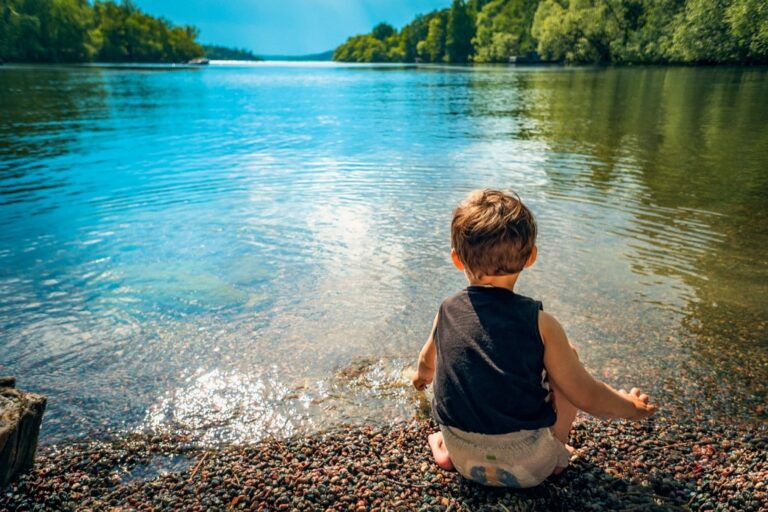
9 Essential Gear Items for Exploring Freshwater Creeks With Children
Make your family adventure a success with these 9 essential gear items for exploring freshwater creeks with children. Read our expert guide and pack up today!
Stepping into a cool, shaded freshwater creek with eager kids in tow is one of the greatest summer adventures. However, slippery rocks, hidden currents, and sharp underwater debris can quickly turn a fun afternoon into a stressful ordeal. Equipping your young explorers with the right specialized gear ensures they stay safe, dry, and thoroughly engaged in the wonders of the creek ecosystem.
Disclosure: As an Amazon Associate, this site earns from qualifying purchases. Thank you!
Creek Safety and Prep Before You Dip a Toe In
Creek exploration is inherently unpredictable because water levels and bottom conditions change with every rainstorm. Before letting kids splash in, do a quick scouting walk of the immediate area to identify hazards like submerged logs, broken glass, or deep drop-offs. Establish clear boundaries on the bank, such as a specific tree or rock pool, that kids cannot cross without an adult.
Check the local weather forecast and water gauge levels before leaving home. Flash floods can occur in small creeks even if the storm is miles upstream. Teach children to never step on green, algae-coated rocks, which are slicker than ice, and to always test their footing before shifting their weight.
Water Shoes – Keen Newport H2 Closed Toe Sandal
Footwear is the absolute foundation of creek safety, protecting soft feet from sharp gravel, broken freshwater mussel shells, and discarded fishing tackle. Standard flip-flops or water socks will slide off or tear open the moment mud suction grips them. You need a dedicated hybrid shoe that combines the protection of a boot with the drainage of a sandal.
The Keen Newport H2 excels here because of its heavy-duty patented toe bumper and high-traction rubber outsole. The washable polyester webbing upper resists water rot and dries quickly, while the elastic cord lace system allows kids to pull them on and off independently. They grip slimy rocks far better than cheaper foam alternatives and won’t slip off in deep mud.
Keep in mind that these sandals can trap small pieces of coarse gravel or sand under the footbed, which requires quick rinsing in deeper water. They run slightly snug, so buying a half-size up is generally recommended to prevent heel blisters.
- Size Options: Toddler (4-7), Little Kid (8-13), Big Kid (1-6)
- Materials: PFC-free polyester webbing, quick-dry lining, non-marking rubber outsole
- Best For: Kids who aggressively wade, climb wet boulders, and navigate muddy banks
- Not Ideal For: Deep, fine-sand environments where constant emptying is required
Youth Life Jacket – Stohlquist Youth Fit PFD
Even in shallow creeks, a personal flotation device (PFD) is essential for younger children or weaker swimmers. A sudden slip into a deep pool or a stumble into a fast-flowing run can panic a child instantly. A properly fitted PFD provides immediate buoyancy and peace of mind, allowing kids to explore with confidence.
The Stohlquist Youth Fit PFD is the ideal choice due to its sculpted foam design that contours comfortably to a child’s torso without riding up. It features three front buckles for easy adjustment and thin back panels that fit comfortably against folding camp chairs or kayak seats. The high-mobility cut allows kids to bend over, scoop water, and climb banks without chafing under the arms.
When fitting this life jacket, tighten the bottom strap first to prevent the vest from riding up over the child’s chin when they float. Remember that US Coast Guard approval requires the jacket to match the child’s actual weight, not their clothing size.
- Weight Rating: 50 to 90 pounds (Youth size)
- Approval: USCG Type III Approved
- Key Feature: Box-stitched webbing and durable 200-denier oxford shell
- Best For: Active kids wading in moving water or deep pools
- Not Ideal For: Infants under 50 pounds (require a dedicated infant PFD with a collar grab-handle)
Dip Net – Promar Catch & Release Hand Net
A dip net turns a simple walk into an active biological safari. Kids can scoop under overhanging banks and muddy bottoms to catch crayfish, minnows, and dragonfly nymphs. Without a net, fast-moving creek creatures are nearly impossible to catch by hand, leading to frustration.
The Promar Catch & Release Hand Net features a knotless hook-resist mesh that is incredibly gentle on delicate fish scales and critter gills. The lightweight hoop handle is sized perfectly for smaller hands, and the flat-bottom basket design makes it easy to transfer catches to a viewing bucket without injury. The sturdy aluminum frame resists bending when kids scrape it along gravelly creek beds.
Teach children to scoop with the current, rather than against it, to avoid pinning small creatures against the mesh. Rinse the net thoroughly after use to remove decaying vegetation and mud that can rot the netting over time.
- Frame Material: Lightweight anodized aluminum
- Mesh Type: Soft, knotless green nylon
- Best For: Scooping minnows, macroinvertebrates, and small crayfish
- Not Ideal For: Heavy digging into hard-packed clay or lifting heavy rocks
Magnifying Jar – Carson BugView Quick-Release
To truly appreciate the micro-world of a freshwater creek, kids need a way to inspect their finds up close without harming them. A magnifying jar provides a safe, temporary containment area for tiny water striders, beetles, and tadpoles. It prevents kids from squeezing delicate creatures too hard while trying to examine them.
The Carson BugView uses a one-handed catch-and-release slide that makes capturing moving specimens simple and stress-free. It features a built-in 5x power magnifier lens that offers crystal-clear viewing of fine details like leg segments and gills. The ventilated trapping chamber ensures creatures receive plenty of air during their brief observation period.
Because the lens is made of optical-grade acrylic, it can scratch easily if dragged across coarse creek sand. Remind kids to rinse the jar with clean, sediment-free water and pat it dry with a soft cloth rather than wiping it with a gritty shirt tail.
- Magnification: 5x power acrylic lens
- Operation: Thumb-operated sliding capture door
- Best For: Observing small insects, tadpoles, and tiny snails
- Not Ideal For: Larger fish, large crayfish, or long-term captivity
Dry Bag – Sea to Summit Lightweight Dry Sack
Creek exploration is wet, muddy, and prone to accidental slips. A single stumble into a knee-deep pool can instantly ruin spare clothing, car keys, and snacks. A reliable dry bag keeps your essential gear completely dry, regardless of how many splashes or falls occur during the day.
The Sea to Summit Lightweight Dry Sack is built from 70D high-performance waterproof fabric with fully taped seams. The white interior lining reflects light, making it easy to find small items at the bottom of the bag in shaded environments. Its roll-top closure creates a watertight seal that also traps air, allowing the bag to float if it accidentally slips into a deep pool.
To ensure a proper seal, roll the top collar down at least three times before clicking the buckle. Do not submerge this bag under deep water for extended periods, as roll-top dry sacks are designed for surface splashes and brief immersions rather than scuba use.
- Capacity Options: 1L, 2L, 4L, 8L, 13L, 20L, 35L
- Material: 70-denier nylon with polyurethane coating
- Best For: Keeping spare clothes, towels, and dry snacks safe from splashes
- Not Ideal For: Protecting high-end electronics during deep, prolonged submersion
First Aid Kit – Adventure Medical Kits Ultralight
Slick creek rocks and sharp sticks are prime culprits for minor scrapes, cuts, and splinters. When you are half a mile downstream, a minor injury can halt the adventure if you do not have treatment supplies on hand. A compact, water-resistant first aid kit is an absolute necessity for any trail pack.
The Adventure Medical Kits Ultralight kit is housed in a dual-layer watertight inner bag that keeps contents bone-dry even in a downpour. It contains high-quality medical supplies optimized for outdoor trail injuries, including blister treatments, wound-cleaning wipes, and assorted bandages. The ultra-packable design weighs mere ounces, meaning there is no excuse to leave it behind in the car.
Check the kit annually to replace expired medications and replenish used bandages or antiseptic wipes. It is wise to add a small pair of fine-tip tweezers to this kit for removing deeply embedded thorns or tick specimens.
- Weight: Under 3 ounces (Ultralight .5 model)
- Water Protection: DryFlex inner bag, water-resistant outer silnylon bag
- Best For: Treating minor cuts, scrapes, stings, and blisters on the water
- Not Ideal For: Severe, multi-person trauma situations requiring heavy orthopedic splints
Hydration Pack – CamelBak Mini M.U.L.E. Kids
Dehydration happens quickly, even when kids are surrounded by water. Standard water bottles are easily dropped into murky currents or left behind on gravel bars during the excitement of the hunt. A youth-sized hydration pack keeps clean water physically attached to the child, encouraging frequent drinking.
The CamelBak Mini M.U.L.E. Kids pack features a 1.5-liter Crux reservoir that delivers high water flow with minimal effort. It includes a whistle built into the sternum strap for emergency signaling and a zipped pocket for carrying a trail snack or small creek treasures. The breathable mesh back panel keeps kids cool on hot, humid summer afternoons.
Teach children to lock the bite valve lever when they are not actively drinking to prevent water from slowly leaking out when the pack is set down on the ground. Wash the reservoir with hot, soapy water and prop it open to dry completely after every single trip to prevent mold growth.
- Liquid Capacity: 1.5 Liters (50 ounces)
- Storage Volume: 1.5 Liters of gear storage
- Best For: Keeping kids hydrated hands-free during half-day hikes
- Not Ideal For: Older teens who require larger gear storage capacities
Pocket Guide – Waterford Press Pond Life Guide
Finding a strange creature under a rock is only half the fun; identifying it turns the outing into an active learning experience. Kids love comparing their catches to colorful illustrations to name what they have found. A durable, waterproof reference guide keeps the educational momentum going right at the water’s edge.
The Waterford Press Pond Life Guide is a laminated, folding pocket guide that easily withstands wet, muddy fingers. It features clear, full-color illustrations of common freshwater invertebrates, amphibians, fish, and birds. Its simplified layout allows children to quickly self-identify their catches without wading through dense academic text.
While highly durable, the laminated creases can eventually crack over years of heavy folding. Keep it tucked flat inside a dry bag or backpack pocket when not in use to maximize its lifespan.
- Format: Laminated, double-sided folding guide
- Subject Focus: Common freshwater flora and fauna
- Best For: Quick, on-the-spot identification of creek critters by kids and parents
- Not Ideal For: Advanced naturalists seeking deep, species-specific scientific details
Waterproof Phone Case – JOTO Waterproof Pouch
Parents need their phones close at hand to snap photos of discoveries and to call for help in an emergency. However, taking a phone out over wet, slippery rocks is a recipe for a costly disaster. A reliable, neck-hung waterproof pouch keeps your phone secure, functional, and dry.
The JOTO Waterproof Pouch features a simple snap-and-lock seal that provides certified IPX8 waterproof protection. The clear scratch-resistant windows on both sides allow you to take photos, shoot video, and use the touch screen without removing the phone from the pouch. Its adjustable neck lanyard keeps your hands free to assist kids over slippery obstacles.
Always perform a quick bubble test at home by submerging the pouch with a dry paper towel inside before trusting it with your phone. Be aware that touchscreen responsiveness can be sluggish under the water due to water pressure, so use the physical volume buttons to trigger your camera shutter.
- Compatibility: Fits smartphones up to 7.0 inches diagonally
- Waterproof Rating: IPX8 Certified (up to 100 feet)
- Best For: Safeguarding phones from drops, mud, and water splashes while taking photos
- Not Ideal For: Heavy phone cases like thick, rugged battery packs
How to Identify and Avoid Swift Creek Currents
Creek currents are highly deceptive, often hiding significant force beneath a calm surface. A creek that looks knee-deep and placid can have a powerful undercurrent, especially around bends, narrow choke points, and underwater boulders. Look for riffles—areas where the water surface ripples rapidly over shallow gravel—and avoid letting children cross these zones, as the current is often faster than it appears.
Teach children to identify strainers, which are fallen trees, root balls, or branches submerged in moving water. These act like giant sieves, letting water pass through while trapping people, pets, and gear against them with immense hydraulic pressure. Always wade upstream rather than downstream; this makes it easier to keep your balance and spot upcoming hazards in the water column.
If a child does get swept off their feet by a current, instruct them to assume the active self-rescue position: float on their back with their feet pointed downstream to absorb impacts with rocks, and use their arms to back-paddle toward the nearest slow-moving eddy or shallow bank. Never attempt to stand up in fast, knee-deep water, as this can lead to foot entrapment, where the force of the water pins the foot down and pushes the body forward underwater.
Cleaning and Drying Your Gear After the Adventure
Freshwater creeks host a variety of microorganisms, algae, and fine silts that can degrade gear and cause unpleasant odors if left wet. Failing to clean gear properly after a trip can also spread invasive species, such as didymo (rock snot) or zebra mussels, to other local waterways. A disciplined cleaning routine extends the life of your equipment and protects the aquatic environments you love to explore.
Start by thoroughly hose-rinsing mud, sand, and organic debris from water shoes, nets, and PFDs using clean, fresh tap water. Use a soft brush to clear grit out of the tread of Keen sandals and the hinges of magnifying jars. Hang life jackets and shoes in a shaded, well-ventilated outdoor area to air-dry; avoid direct midday sunlight, which can dry out and degrade performance fabrics and plastics over time.
Pay special attention to hydration bladders and nets, which are prone to mildew. Wash the inside of the CamelBak reservoir with mild soap, rinse it repeatedly, and use a specialized hanger to keep the bladder walls separated while drying. Never store any gear in a damp garage, plastic bin, or car trunk, as this creates a breeding ground for mold that can ruin fabrics and straps before your next weekend outing.
Conclusion
Armed with the right protective footwear, safety gear, and simple exploration tools, a day at the creek becomes an educational and unforgettable journey. Taking the time to prepare, respect the water, and care for your gear ensures that your family’s outdoor adventures remain safe and fun season after season.