Sandbar Raft Up Packing List: 9 Essentials to Bring
Planning a sandbar raft up? Pack these 9 essential items to ensure a fun, safe, and comfortable day on the water. Read our expert guide and start prepping now.
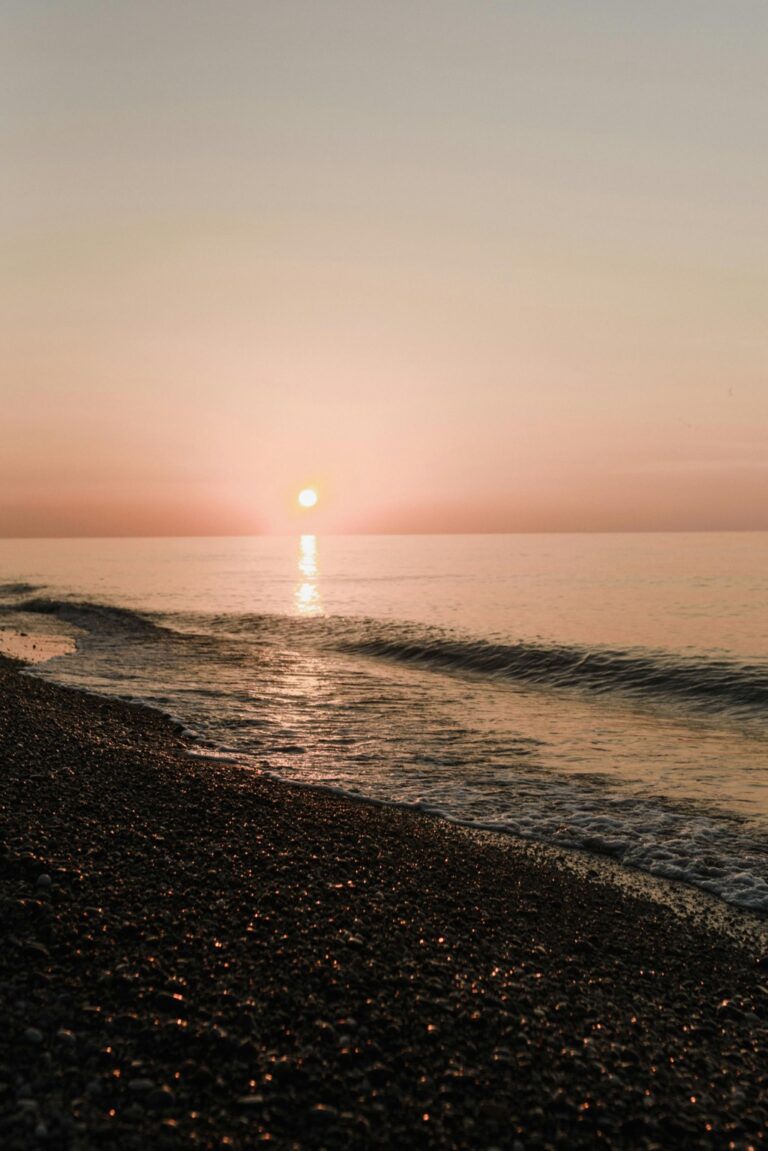
The tide is dropping, the music is drifting across the shallow water, and a dozen boats are already nested side-by-side on the glittering flats. A perfect sandbar raft-up is the pinnacle of the recreational boating season, but it can quickly turn into a chaotic mess of scraped gelcoat and drifting hulls without the proper preparation. Equipping your vessel with the right anchoring, tie-off, and lifestyle gear ensures your afternoon in the shallows is defined by relaxation rather than gelcoat repairs.
Disclosure: As an Amazon Associate, this site earns from qualifying purchases. Thank you!
Safe and Respectful Raft-Up Etiquette on the Sandbar
Joining a raft-up requires patience and clear communication with the boats already in the line. Always approach at dead idle speed to minimize wake, which can slam tied-together boats into one another and damage delicate hulls. Before tossing a line, ask permission from the captains of the anchor boats to ensure their anchoring setups can handle the extra weight of your vessel.
Keep your music at a volume that allows neighboring captains to communicate easily during the anchoring and tying-off process. Keep your fenders deployed before you make contact, and always match your cleat heights as closely as possible to prevent overriding lines. This proactive approach prevents unexpected shifts in wind or current from grinding your boat against another.
Finally, manage your trash meticulously because wind and currents will quickly sweep loose cups and wrappers off your deck. Keep a designated trash bag secured on board, and never dump greywater or use harsh cleaning chemicals while sitting in shallow, crowded swimming areas. Leaving the sandbar exactly as you found it ensures these areas remain open and welcoming for future outings.
Sand Anchor – Sandspike Medium Sand Anchor
Traditional fluke anchors are designed for deep water and can drag, slip, or present dangerous tripping hazards when deployed in shallow water. A specialized beach anchor secures the stern or bow directly in the sandbar, keeping your boat from swinging into neighbors without creating a web of hazardous rope.
The Sandspike Medium Sand Anchor is a high-grade spike designed to hold boats up to 24 feet securely in wet sand. Made from aircraft-grade aluminum, it is lightweight, rustproof, and virtually indestructible under normal use. As waves wash over the wet sand, the spike naturally suctions deeper into the bottom, locking the boat in place without the need for heavy chains or bulky hardware.
Before buying, note that this spike requires a dedicated anchor line and works best when driven into wet sand at the water’s edge or completely submerged in the shallow bottom. If you encounter dry, hard-packed clay, you may need a small rubber mallet to drive it to the proper depth. It is also important to match the spike size to your vessel’s displacement, as strong currents can pull lighter spikes loose from loose mud.
- Best for: Owners of 18-to-24-foot bowriders, jet boats, and light pontoons anchoring in sandy-bottom shallows.
- Not for: Heavy, deep-draft cabin cruisers or boaters anchoring in rocky, gravel-heavy, or heavily weeded bottoms.
Bungee Dock Line – Airhead Bungee Dockline
Standard dock lines have zero stretch, which means every passing wake jerks the tied boats violently against each other. This constant yanking strains cleats and can pull anchors loose from the sand. Bungee dock lines act as shock absorbers, absorbing the kinetic energy of moving water and keeping the entire raft-up stable and quiet.
The Airhead Bungee Dockline features a hidden bungee cord inside a durable hollow-braid rope, allowing it to stretch and absorb sudden impacts. This line features a heavy-duty internal bungee encased in a durable polyethylene sleeve that resists UV rays and saltwater degradation. It also includes two foam floats that prevent the line from sinking if dropped overboard, keeping it clear of your props.
These lines are sold in specific lengths (typically 4, 5, or 6 feet). Always buy a size that allows for some slack when unstretched, as over-tensioning a bungee line defeats its shock-absorbing purpose and can snap the internal elastic. They are designed to supplement, not replace, your primary anchor lines, so they must be inspected regularly for fraying.
- Best for: Boaters tying off side-by-side in active, high-traffic sandbars where constant wake is expected.
- Not for: Use as a primary mooring line overnight or in storm conditions, as they are not rated for sustained heavy loads.
Boat Fender – Mission Outdoor Sentry Boat Fender
Fenders are the physical barrier protecting your gelcoat from the boat tied next to you. Standard round fenders often roll up and out of position as boats rock, leaving gunwales exposed to direct, damaging contact. A contoured fender hugs the hull shape, staying firmly in place regardless of how much the boats roll.
The Mission Outdoor Sentry Boat Fender is molded from a closed-cell XL EXTRALIGHT foam that does not absorb water and is highly resistant to UV fading. The unique shape wraps over the boat’s rub rail and secures tightly with a built-in locking strap, eliminating the need for traditional knots. This flat profile prevents the fender from rolling or sliding down the hull side when boats grind together.
Because of their flat, contoured design, these fenders are optimized for modern, flat-sided sport boats, pontoon rails, and runabouts. They may not sit flush on vintage hulls with dramatic flares or heavy rub-rail projections without some adjustment. Additionally, they are sold individually, so you will need to purchase at least two to secure one side of your boat.
- Best for: Ski boats, wake boats, and modern runabouts with low profiles and flat hull sides.
- Not for: Deep-keeled vessels or extremely large cruisers that require massive, high-volume air fenders to keep distance.
Floating Water Mat – Rubber Dockie Floating Pad
A sandbar raft-up is all about water interaction, and a floating mat extends your boat’s usable real estate directly onto the water surface. It provides a dry, stable platform for lounging, tanning, or playing without crowding the cockpit. It also keeps guests safely out of the way of boat swim platforms and outboard propellers.
The Rubber Dockie Floating Pad is constructed from high-density, tear-resistant foam with a tuff-hide outer layer that resists punctures from dog claws and scraping sand. It features a patented tether system with a heavy-duty bungee hook to secure it directly to your boat’s transom cleat, preventing it from drifting away in strong currents. The high-visibility green and orange colors ensure it remains easily visible to nearby vessel traffic.
Storage is the biggest hurdle; when rolled up, this mat takes up significant space and usually needs to be strapped to a swim platform or wakeboard tower during transit. It requires rinsing with fresh water after saltwater use to prevent the foam from drying out, cracking, and losing its buoyancy over time.
- Best for: Families, dog owners, and large groups who want a durable, puncture-resistant lounge zone that supports multiple adults.
- Not for: Solo boaters or those with small vessels lacking the deck or platform space to transport a large, rolled foam mat.
Marine Cooler – YETI Tundra 45 Hard Cooler
A hot day on the water will melt standard ice in hours, leaving you with lukewarm drinks and spoiled food. A high-performance marine cooler keeps provisions ice-cold for days and serves as an extra casting platform or seat in crowded cockpits. It must be tough enough to handle baking sun, saltwater exposure, and rough boat rides.
The YETI Tundra 45 Hard Cooler is the industry standard for rugged, roto-molded cooling performance on the water. Featuring rotomolded construction and two inches of polyurethane foam insulation, it is virtually indestructible and incredibly efficient. The non-slip feet keep it planted on wet fiberglass decks, and the heavy-duty rubber latches ensure a tight seal even when bouncing through rough chop.
It is heavy even when empty, and once loaded with ice and beverages, it requires two people to move comfortably. It does not have wheels, so you must plan where it will sit on your deck before loading it up. Pre-chilling the cooler with a sacrificial bag of ice the night before will significantly improve its ice-retention performance during long days in direct sunlight.
- Best for: Day-boaters who need reliable ice retention in direct sunlight and a durable surface that doubles as a cockpit seat.
- Not for: Those looking for a lightweight, easily transportable soft cooler for quick, short solo trips.
Waterproof Speaker – JBL Charge 5 Portable Speaker
Music sets the tone for the entire raft-up, but running your boat’s stereo system for hours on end can drain your cranking batteries, leaving you stranded. A portable, waterproof speaker provides high-quality sound without risking your engine start. It can also be carried straight onto the sandbar beach so the music goes where you go.
The JBL Charge 5 Portable Speaker carries an IP67 waterproof and dustproof rating, meaning it can survive temporary submersion and sand exposure without issue. With up to 20 hours of battery life and a built-in USB port to charge your phone, it keeps the party going all day. It also features dual bass radiators that deliver deep, punchy sound that cuts through wind and engine noise.
While it features a PartyBoost system to link multiple JBL speakers together, it will not connect with other brands. Keep the volume respectful of neighbors who may not share your musical taste, and remember to secure it when underway, as it does not have a built-in mounting bracket for helm stations.
- Best for: Boaters looking to save their starting batteries while enjoying rich, bass-heavy sound that cuts through outdoor ambient noise.
- Not for: Audiophiles looking for high-fidelity stereo separation or permanent, integrated marine sound systems.
Inflatable Dock – BOTE Inflatable Lake Dock 7
When multiple boats tie up, deck space becomes premium real estate. An inflatable dock creates a rigid, floating island behind or between vessels, acting as a swim platform extension or a staging area for water toys. Unlike foam mats, it inflates to a rigid state, allowing you to set up beach chairs and coolers directly on the water.
The BOTE Inflatable Lake Dock 7 is made with AeroBOTE drop-stitch technology, which inflates to a rock-hard 10 PSI. This rigidity allows adults to stand on the edge without it tipping or folding. It features a slip-resistant deck pad, multiple grab handles, and heavy-duty D-rings for securing to your boat’s transom or anchoring in place.
This dock requires a high-volume pump (ideally electric) to inflate, which takes about 5 to 10 minutes of prep time. It is heavy when deflated, so it must be folded tightly and stored in its carry bag to fit into a boat locker. It should always be tethered using high-quality lines to prevent wind from flipping it.
- Best for: Boaters who host large raft-ups and need a highly stable, rigid platform for lounge chairs, coolers, or boarding.
- Not for: Budget-conscious boaters or those with minimal storage space who cannot accommodate a large, heavy pump and deflated dock bundle.
Dry Bag – Sea to Summit Big River Dry Bag
Wading from boat to boat or walking to the beach means carrying phones, keys, wallets, and dry clothes through waist-deep water and splashing waves. A reliable dry bag keeps your expensive electronics and dry gear safe from accidental drops. It must be rugged enough to handle rough fiberglass decks and abrasive sand.
The Sea to Summit Big River Dry Bag is built from 420D ripstop nylon with a TPU lamination, making it highly resistant to punctures and tears. The roll-top closure secures with a field-replaceable buckle, and integrated lash loops let you secure it to your kayak, paddleboard, or boat console. The white interior lining makes it easy to find small items at the bottom of the bag.
Roll-top bags require at least three tight rolls to ensure a waterproof seal; failing to roll it properly can result in leaks if submerged. It is a storage bag, not a padded case, so fragile items like cameras should still be wrapped in soft fabric inside. It is also non-breathable, so wet swimsuits left inside will quickly mold if not removed after the trip.
- Best for: Active boaters, paddleboarders, and sandbar hoppers who need to transport sensitive gear through wet, sandy environments without worry.
- Not for: Anyone needing a bag with quick-access zippers, as the roll-top system requires unfolding to access contents.
Marine Grill – Magma TrailMate Gas Grill
A full day of swimming and socializing burns serious calories, and cold sandwiches only go so far. A marine-grade grill mounts securely to your boat’s rod holder or railing, allowing you to cook hot meals right over the water without cluttering your deck. This setup keeps grease and heat safely away from your upholstery.
The Magma TrailMate Gas Grill is made entirely of 100% mirror-polished 18-9 marine-grade stainless steel, which resists rust and corrosion from salty sea air. It features lockable legs for tabletop use on the sandbar beach, a wind-tested burner system, and a removable grease tray for easy cleanup. It runs on standard 1-lb propane canisters, making it highly portable.
You must purchase the appropriate mounting hardware (rod holder mount, rail mount, or pedestal) separately to match your boat’s layout. It uses standard propane canisters, which must be stored upright in a well-ventilated area on board, never in enclosed cabins. Always allow the grill to cool completely before storing it back in its carrying case.
- Best for: Boaters who love hot meals on the water and want a rust-proof grill that can transition from a boat mount to a sandy beach tabletop.
- Not for: Large parties requiring cooking surfaces for more than 4 to 6 people at a single time.
How to Safely Anchor and Tie Off in a Tight Raft Up
The foundation of a secure raft-up is proper anchoring, which starts with the lead boat setting a robust bow anchor into the wind or current. Each subsequent boat should approach parallel to the line, dropping its own bow anchor slightly upwind before backing into position. This prevents the entire line of boats from pivoting on a single point and putting dangerous stress on one anchor rode.
Once positioned side-by-side, lines should be secured in a specific sequence: bow-to-bow, stern-to-stern, and finally, spring lines crossed between midship cleats. Crossing your spring lines restricts forward and backward movement, which prevents boats from rubbing or overriding each other’s rub rails. Ensure all lines are snug but allow just enough slack to accommodate minor rolling from passing wakes.
Never tie off to another boat without deploying at least two large fenders per side, positioned at the widest points of contact. Keep a sharp knife close to your helm in case an unexpected swell or anchor drag requires you to quickly cut lines to prevent a collision. Regular checks of the anchor lines throughout the day will ensure tide changes haven’t loosened your hold.
Essential Post-Sandbar Boat Maintenance and Cleanup
Spending a day in the shallow sandbar means your boat’s cooling system has been sucking in fine sand and suspended silt. The absolute first step upon returning to the dock or driveway is to flush your outboard or stern-drive engine with clean, fresh water using flushing muffs or the built-in hose port. This prevents abrasive sand from wearing down your water pump impeller and clogging internal cooling passages.
Next, thoroughly wash down the entire deck, hull, and bilge with fresh water to remove salt deposits and fine sand particles that act like sandpaper underfoot. Pay close attention to snap-in carpets, upholstery seams, and cup holders where sand loves to collect and hide. Let the storage lockers dry completely before closing them up to prevent mold and mildew growth in the humid bilge.
Finally, give your sandbar gear the same treatment. Rinse your sand anchors, bungee lines, and floating mats with fresh water, and lay them out to dry in the sun. Salt residue left on metal hardware will pit and corrode over time, while wet ropes stored in dark lockers will rot and lose their strength.
A successful sandbar raft-up combines the best of boating camaraderie with the beauty of shallow-water lounging. By choosing gear designed specifically for the unique demands of the marine environment—and deploying it with care—you protect your investment while maximizing your fun. Keep your lines secure, your drinks cold, and enjoy the perfect day on the water.