6 Best Zinc Oxide Creams For Face Protection For Hikers
Shield your skin on the trail with our top 6 picks for the best zinc oxide creams for face protection. Read our expert guide and choose your perfect sunblock.
High-altitude sun and reflected glare from mountain lakes create a perfect storm for skin damage during long treks. Relying on basic chemical sunscreens often leads to irritation or failure when sweat begins to pour. Zinc oxide remains the gold standard for hikers who demand reliable, mineral-based protection that stays put under pressure.
Disclosure: As an Amazon Associate, this site earns from qualifying purchases. Thank you!
Thinksport SPF 50+: Best Overall for Hikers
Thinksport consistently ranks at the top for hikers because it balances high-level protection with a formula that doesn’t quit. It excels in water resistance, meeting the FDA’s 80-minute threshold, which is crucial for those working up a sweat on strenuous ascents. The non-nano zinc oxide provides a broad-spectrum shield without the chemical endocrine disruptors found in many alternatives.
This product is the ideal choice for the long-distance trekker who needs a set-it-and-forget-it solution. While the texture is thicker than chemical lotions, it absorbs into the skin reliably once rubbed in, providing a matte finish that doesn’t feel greasy or slick. If you want a dependable, high-SPF workhorse that handles both high-altitude UV rays and heavy perspiration, this is the definitive choice.
Badger Sport SPF 40: Best for Sensitive Skin
For hikers prone to breakouts or skin irritation, the ingredient list is everything. Badger Sport utilizes a minimalist approach, featuring sunflower oil, beeswax, and rosemary extract alongside non-nano zinc oxide. By excluding fragrances, parabens, and common allergens, it ensures the skin remains calm even after eight hours on the trail.
This cream is perfect for those who prioritize clean ingredients and face-specific protection. Its thicker consistency acts as a physical barrier against windburn as much as it does against the sun. Because it lacks synthetic additives, users should expect a slightly heavier feel, but that trade-off is worth it for anyone with reactive, sensitive skin.
EltaMD UV Pure SPF 47: Best Dermatologist Pick
EltaMD is a staple in medical offices for good reason: it offers high-performance mineral protection that is remarkably elegant on the skin. The UV Pure formula is entirely chemical-free, relying on a blend of zinc oxide and titanium dioxide to deflect harmful rays. It is specifically formulated to be non-comedogenic, meaning it won’t clog pores during intense physical exertion.
If you struggle with the heavy, waxy feel of traditional mineral sunscreens, this is the solution. It sits comfortably on the face and plays well with other gear, such as sweat-wicking headbands or sunglasses. For the serious hiker who treats skincare as a non-negotiable part of their gear list, EltaMD provides the clinical-grade assurance needed for long days above the treeline.
Blue Lizard Sensitive SPF 50+: Best for Families
Hikers trekking with children or looking for a shared tube for the entire group need versatility. Blue Lizard is designed for sensitive skin and maintains a high SPF rating that holds up under direct, mid-day sun. Its unique selling point is the smart bottle cap, which changes color in the presence of harmful UV light, serving as an intuitive reminder to reapply.
This is the ultimate convenience option for group outings where safety protocols need to be simple and accessible. It is fragrance-free and paraben-free, making it safe for the varied skin needs found in a larger group. Choose this if you need a reliable, family-friendly sunscreen that encourages diligent habits through its smart packaging design.
All Good Sport SPF 30: Best Eco-Friendly Option
Hikers who frequent alpine lakes and sensitive riparian ecosystems should be acutely aware of their impact on the water. All Good Sport is a reef-friendly, non-nano zinc sunscreen that prioritizes environmental safety alongside sun protection. The formula is lightweight, non-greasy, and contains organic green tea and rose hips to help soothe sun-exposed skin.
This is the top recommendation for the environmentally conscious hiker who doesn’t want to compromise on performance. It spreads more easily than many other mineral options, making it a favorite for quick applications during short rest breaks. If you want a product that protects both your complexion and the pristine wilderness you traverse, this is the primary choice.
Raw Elements Tin SPF 30: Most Durable Formula
Durability is the defining characteristic of this formula. Packaged in a recyclable tin, it is essentially a balm rather than a lotion, designed specifically to stay put regardless of humidity or rain. Its water-resistant properties are superior, as the thick, concentrated base refuses to run into the eyes when the physical effort of the hike peaks.
This is the expert choice for high-intensity scrambles, mountaineering, or humid summer bushwhacking. While it is the most difficult to apply due to its density, it provides a level of staying power that no liquid lotion can match. Invest in this if you are heading into harsh, extreme conditions where a standard sunscreen would simply wash away.
Why Zinc Oxide Is a Hiker’s Best Friend
Zinc oxide is a physical sunblock, meaning it sits on top of the skin and reflects UV rays like a mirror. Unlike chemical sunscreens that absorb radiation and convert it into heat, zinc acts as a literal shield against the elements. This distinction is vital for hikers who are already dealing with internal body heat and don’t need the added warmth generated by chemical reactions on their skin.
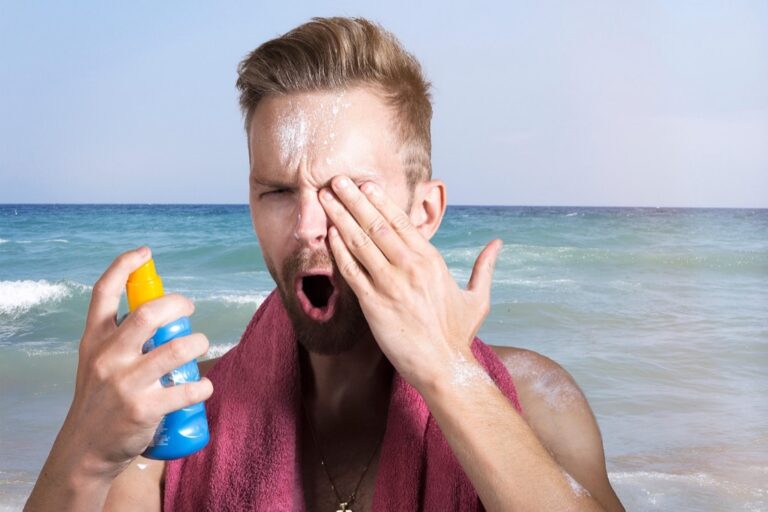
Furthermore, zinc oxide is inherently photostable. It does not break down or lose its effectiveness when exposed to direct sunlight, providing consistent protection from the start of the trail to the end. It is also significantly less likely to cause stinging if it drips into the eyes—a common and dangerous distraction for hikers on narrow ridges or difficult terrain.
How to Apply Zinc Without the White Ghost Cast
The “white ghost” effect is the most common complaint with mineral sunscreens, but it is often a result of improper technique. To avoid it, apply the cream in thin, pea-sized layers rather than one massive glob. Gently massage each layer into the skin until the white pigment becomes transparent, which usually takes about 30 seconds of consistent friction.
If you struggle with residue, try applying the sunscreen while your skin is still slightly damp from a morning wash. Another trick is to choose formulations that use clear zinc oxide or those containing oils that help the product blend seamlessly. Remember that the white cast is actually a visual indicator of where you have already provided coverage, so use that to your advantage to ensure no spots are missed.
SPF & Reapplication: What Hikers Need to Know
The SPF rating on a bottle indicates protection against UVB rays, but hikers need to watch for UVA protection, which causes deep skin damage. Always check the label for “broad-spectrum” status to ensure full coverage. Furthermore, no matter how high the SPF, no sunscreen is truly sweat-proof; every formula has a limit to how much moisture it can handle before it begins to slough off.
Reapplication is not optional, especially at higher altitudes where UV radiation is more intense. Aim to reapply every two hours, or immediately after particularly heavy sweating or wiping the face. Keeping a small, dedicated sunscreen stick in an easily accessible hip belt pocket ensures that you never skip this step because you were too tired to reach into your main pack.
Choosing the Right Zinc Sunscreen for Your Hike
Selecting the right sunscreen depends on the intensity and duration of your trip. For light day hikes, a standard lotion like EltaMD or Thinksport will provide the balance of comfort and safety required. If you are preparing for a multi-day mountaineering trip or a high-exertion trek in humid conditions, lean toward the heavy-duty, balm-like consistency of a product like Raw Elements.
Always prioritize ingredients that align with the specific environment you are visiting, particularly if you are hiking near water sources where runoff is a concern. Test your chosen sunscreen at home before heading out to ensure you don’t have an adverse reaction to any botanical ingredients. A well-prepared hiker selects their protection based on the terrain, the duration of the effort, and the specific needs of their own skin.
Choosing the right mineral protection is a critical part of maintaining your health and endurance on the trail. By prioritizing high-quality zinc oxide formulas, you ensure that your focus stays on the landscape rather than the sun damage of the day. Equip yourself with the right gear, apply it with diligence, and enjoy the outdoors with the confidence that you are shielded from the elements.