7 Best Replacement Sensor Contact Gels For Accurate Readings
Stop getting inconsistent data. Discover the 7 best replacement sensor contact gels for accurate readings and ensure your device performs reliably every time.
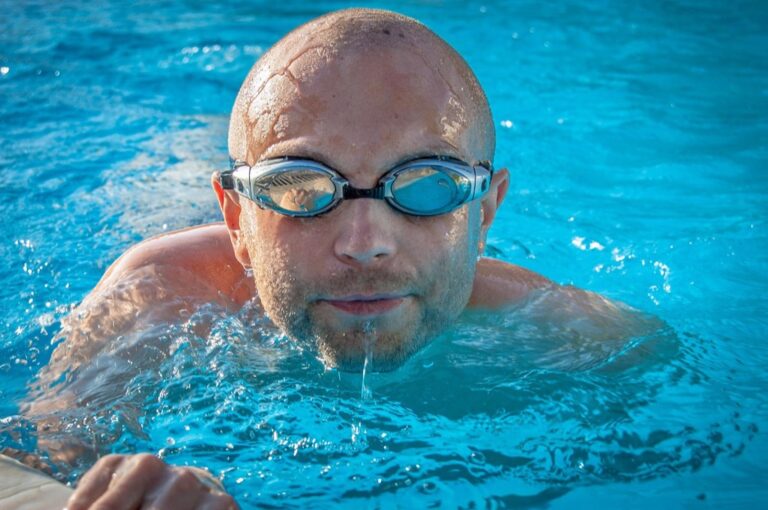
Whether training for an open-water triathlon or monitoring heart rate during a high-intensity session, nothing ruins a workout faster than erratic sensor data. Inconsistent signals often stem from a simple lack of conductivity between the skin and the device electrode. Investing in a high-quality contact gel ensures that the electrical pulses from the heart are captured with professional-grade precision.
Disclosure: As an Amazon Associate, this site earns from qualifying purchases. Thank you!
Spectra 360 Electrode Gel: Best Overall Choice
Spectra 360 stands out because it is the only salt-free, chloride-free electrode gel on the market that remains stable regardless of environmental conditions. Its unique stay-put formula ensures the gel does not dry out during long sessions, maintaining a consistent bridge between the sensor and the skin.
This product is the industry gold standard for those who prioritize reliability above all else. Because it is non-corrosive, it protects the longevity of expensive sensors that might otherwise be damaged by salt-heavy alternatives. For anyone seeking a “set it and forget it” solution, Spectra 360 is the definitive choice.
Aquasonic 100 Gel: The Multi-Sport Standard
Aquasonic 100 is widely recognized for its excellent acoustic and conductive properties, making it a favorite for those who use devices requiring both ultrasound compatibility and electrical conductivity. Its thicker, viscous consistency ensures it stays exactly where applied, even during rigorous movement or heavy perspiration.
This gel is perfectly suited for athletes who transition between different training environments, such as moving from a gym setting to a coastal outdoor run. While it is highly effective, it does contain properties that require more diligent cleaning after the workout is complete. It is the ideal pick for the versatile athlete who demands proven, heavy-duty performance.
Tac-Gel Conductive Adhesive: Best for Swimmers
For those who spend significant time in the water, standard gels often wash away within minutes. Tac-Gel addresses this by utilizing an adhesive-like property that locks the sensor in place and maintains conductivity even when fully submerged.
The primary benefit here is the security of the connection; it effectively acts as a secondary bonding agent for heart rate straps or ECG patches. While it is slightly more difficult to remove than water-based options, the trade-off is superior signal integrity in challenging aquatic conditions. Choose this if the priority is preventing sensor slip during long swims or water aerobics.
Lectron 21 Gel: Top Hypoallergenic Option
Skin irritation is a common, yet rarely discussed, side effect of using generic contact gels during prolonged exercise. Lectron 21 is formulated specifically for those with sensitive skin, utilizing a balanced pH to prevent the itching and redness often associated with synthetic conductivity agents.
Despite its gentle composition, it does not sacrifice performance or electrical conductivity. It offers a smooth application that feels lightweight, making it perfect for athletes who wear sensors for extended periods throughout the day. If previous gels have caused skin discomfort, Lectron 21 is the safest, most reliable path forward.
SignaGel Electrode Gel: Best for Saltwater Use
SignaGel is engineered with a high-conductivity formula designed to function even in environments where electrical interference might occur. Its ability to maintain a clear signal through sweat and saltwater makes it a standout choice for those training in coastal or humid environments.
This gel is particularly effective for high-performance athletes who need to ensure that their equipment matches the intensity of their environment. While it is highly potent, it does require a bit more attention to hardware maintenance to ensure no residue builds up on the sensor contacts. For the serious outdoor athlete, this gel provides the stability needed for accurate metrics.
CAM-Gel Clear: Ideal for Extended Training
CAM-Gel Clear is formulated for durability, specifically designed to withstand long-duration endurance training without breaking down. Its clear, non-staining consistency is a major advantage for those who wear athletic apparel over their sensors, as it leaves no marks or messy residue behind.
This gel is remarkably resilient against the body heat generated during long-distance cycling or marathon training. It remains tacky and conductive long after other gels would have thinned out or evaporated. If the training schedule involves hours of sustained effort, CAM-Gel Clear provides the endurance required to keep data flowing perfectly.
Bio-Stat Gel: Easiest Water-Based Cleanup
Cleanup is often the most neglected aspect of sensor maintenance, yet it is vital for preventing the degradation of sensor materials. Bio-Stat Gel is a water-soluble solution that rinses away instantly with just a damp cloth or a quick splash of water, leaving no greasy film behind.
Beyond ease of use, it provides consistent conductivity without any harsh additives or heavy scents. It strikes an excellent balance between performance and convenience, making it the perfect choice for the daily user who values efficiency. When the goal is a quick transition from the gym to the rest of the day, Bio-Stat is the most practical solution.
Why You Need a Dedicated Sensor Contact Gel
While some users attempt to use water or off-the-shelf lotions to improve connectivity, these substances are largely ineffective and can potentially damage sensitive electronics. Dedicated contact gels are formulated with specific electrolytes that mimic the body’s electrical pathways.
Water evaporates rapidly, leading to a loss of signal, while standard lotions often create an insulating barrier rather than a conductive one. Using a specialized gel ensures the sensor receives a clear, unfiltered signal directly from the skin. Proper conductivity is the difference between accurate, actionable data and frustrating, erroneous readings.
Applying Gel for a Flawless Sensor Reading
The key to a perfect reading is the preparation of the skin before the gel is applied. Gently exfoliate the contact area with a clean towel to remove dead skin cells and oils that act as insulators. Apply a pea-sized amount of gel directly to the sensor node, ensuring complete coverage without excess leakage.
Once the sensor is pressed against the skin, check for air pockets, as these disrupt the electrical connection and cause signal “spikes.” A well-seated sensor should feel secure but not so tight that it restricts movement. By taking ten seconds to ensure proper placement, the sensor will remain reliable for the duration of any training session.
Choosing the Right Gel for Your Activity
Selection should always be dictated by the specific demands of the sport and the environment. Open-water swimmers require high-tack, water-resistant formulas, whereas gym-goers may prefer the easy-rinse convenience of water-based gels.
Consider the sensitivity of the skin and the duration of the training session when comparing ingredients. High-intensity, short-duration workouts allow for more versatile options, while ultra-endurance efforts require products that won’t dry out. Matching the gel to the specific challenge ensures that the gear performs as well as the athlete.
Finding the right contact gel is a simple adjustment that significantly improves the quality of data collected during any water or land-based activity. By selecting a product that aligns with personal needs and environmental challenges, athletes can spend less time troubleshooting their gear and more time focusing on performance. Consistent, accurate data remains the best tool for tracking progress and achieving long-term fitness goals.