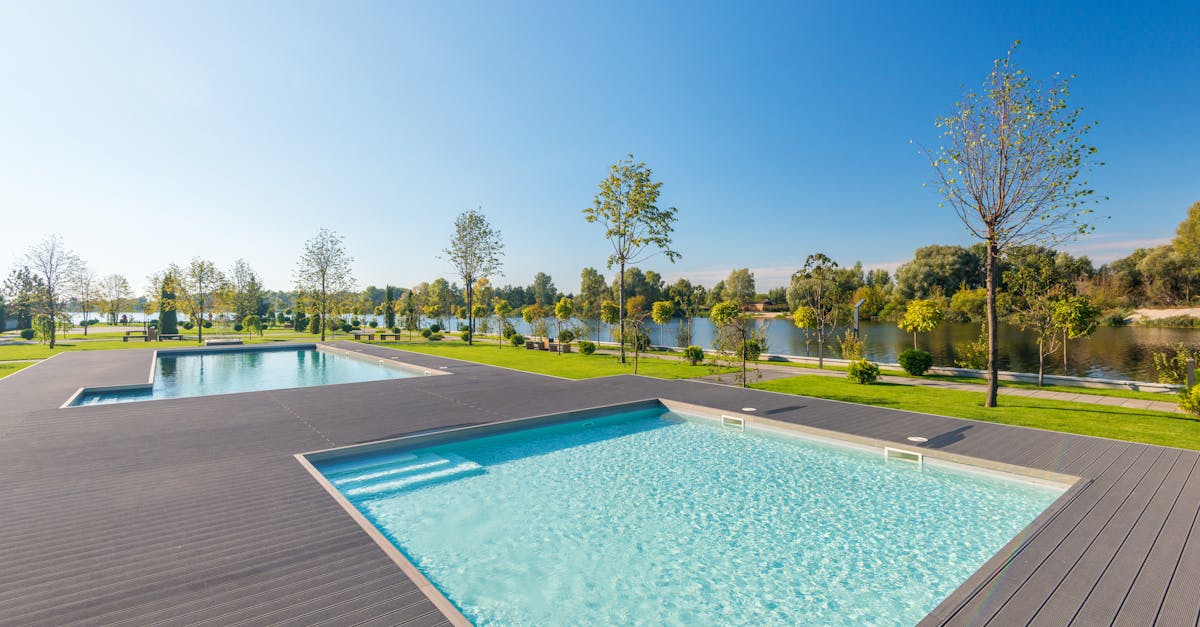
6 Best Pool Chemical-Resistant Mats For Deck Protection
Protect your deck from harsh water treatment damage with our top 6 pool chemical-resistant mats. Shop our expert-tested picks today to keep your patio safe.
Splashing in the pool is the highlight of summer, but the chemical-heavy water inevitably takes a toll on the surrounding deck surface. Over time, salt, chlorine, and stabilizer can bleach wood, corrode metal, and etch stone, leaving expensive decking looking weathered and worn. Investing in a high-quality protective mat creates a vital barrier that saves the deck while keeping high-traffic zones safe for bare feet.
Disclosure: As an Amazon Associate, this site earns from qualifying purchases. Thank you!
DuraDeck Pro Mat: Best Overall Deck Protection
The DuraDeck Pro Mat stands out as the premier choice for homeowners who refuse to compromise on either aesthetics or defense. Engineered from a proprietary high-density synthetic compound, this mat is specifically formulated to resist the caustic effects of concentrated chlorine and saltwater spray. It acts as a heavy-duty shield that prevents moisture from getting trapped against the surface of wood or composite planks.
This option is perfect for those who have invested in expensive decking and want a low-maintenance solution that doesn’t look like industrial equipment. The surface texture is subtle, providing enough grip to be safe without being so abrasive that it irritates sensitive skin. If total coverage and long-term protection are the primary goals, this is the gold standard for residential pool environments.
Resilia Interlocking Tiles: Most Versatile Option
For decks with unique dimensions or complex obstacles like built-in benches, Resilia Interlocking Tiles offer the ultimate flexibility. These tiles can be snapped together in minutes, allowing for a custom layout that covers exactly the area needed without requiring specialized tools. Because they are modular, damaged sections can be replaced individually instead of discarding an entire mat.
These tiles are ideal for the pool owner who changes their layout or furniture placement every season. Their interlocking design allows for seamless expansion, making them a smart choice for large, irregular spaces where a single roll-out mat would be impossible to fit. If a customizable, easy-to-configure layout is required, Resilia tiles provide the most adaptable solution on the market.
Aqua-Tread Non-Slip Matting: Top Pick for Safety
Safety is non-negotiable near the water, and Aqua-Tread Non-Slip Matting is designed specifically to mitigate the risk of slips and falls in wet zones. The surface features an aggressive, yet comfortable, micro-texture that creates high-friction zones exactly where splashing is most frequent. Its open-weave construction ensures that water drains away instantly, keeping feet dry rather than trapped in puddles.
This mat is the best candidate for families with small children or older adults who frequent the pool deck. While other mats might become slippery when saturated, Aqua-Tread remains consistently reliable. For anyone prioritizing accident prevention alongside material protection, this mat is an essential safety upgrade.
Envelor Drainage Tiles: Best for Soggy Areas
If the pool deck struggles with pooling water or poor drainage, Envelor Drainage Tiles are the solution. These tiles are elevated on small support risers, which creates a gap beneath the surface for air and water to circulate freely. This prevents the moisture-wicking issues that lead to mold or mildew growth, which is a common concern in humid or shaded pool settings.
These tiles are particularly effective for decks that remain damp long after a swim session has ended. By lifting the surface, these tiles allow the deck beneath to “breathe,” effectively preventing the water damage that often occurs under solid mats. If the goal is to keep the deck dry and eliminate soggy patches, these elevated tiles are the most efficient pick.
Rubber-Cal Coin-Grip Flooring: Most Durable Pick
Rubber-Cal Coin-Grip Flooring is designed for those who need a rugged, no-nonsense protective layer. The signature “coin” pattern provides excellent traction while the thick rubber construction resists heavy furniture, high foot traffic, and chemical runoff without showing wear. It is essentially an industrial-grade barrier that feels right at home on a high-use residential deck.
This mat is the best fit for homeowners who host frequent parties or have heavy patio furniture that would crush or tear lighter materials. While it is heavier to maneuver, its durability is unmatched. For anyone who wants to install a protection system once and not think about it for years, the durability of Rubber-Cal is worth the weight.
Deck-Armor Roll-Out Mat: Easiest Installation
The Deck-Armor Roll-Out Mat is the definition of convenience, arriving as a single, ready-to-use piece that lays flat the moment it is unrolled. It requires no adhesives, clips, or complex assembly, making it perfect for the weekend project that needs to be done before the first swim of the year. Its lightweight yet sturdy construction makes it easy to move for seasonal storage or deck power washing.
This mat is best for those who value speed and simplicity. It provides a sleek, uniform look that covers large areas in seconds. If the priority is getting the deck protected quickly with zero installation stress, Deck-Armor is the obvious winner.
Choosing a Mat: Material, Size, and Drainage
- Material: Prioritize non-porous materials like PVC, high-density rubber, or polypropylene to ensure chemicals do not soak into the mat fibers.
- Size: Measure the high-splash zones around ladders and diving boards first, as these areas require the most consistent coverage.
- Drainage: If the deck is prone to standing water, choose elevated drainage tiles to prevent mold rather than flat roll-out mats which might trap moisture.
Avoid the temptation to use generic indoor mats, as they lack the chemical stability required for pool water. A mat that isn’t specifically UV-rated will also fade, crack, and become brittle under the intense summer sun. Always check the manufacturer’s specifications for chemical resistance ratings to ensure the mat won’t break down when exposed to pool shocks or pH balancers.
Why Chemical Resistance Really Matters for Decking
Pool chemicals are engineered to be aggressive against organic matter and contaminants, but they don’t distinguish between a biofilm in the water and a wood stain on a deck. When chlorinated water settles on untreated decking, it begins a slow process of oxidation that dries out wood and leaves white, powdery stains. By placing a chemical-resistant mat in these zones, the expensive substrate remains protected from constant chemical contact.
Beyond wood, even composite decking is not immune to discoloration from concentrated stabilizers and salt. These chemical deposits can settle into the grain, causing uneven coloring that is nearly impossible to scrub out. Installing a high-quality mat creates a literal wall between the pool chemistry and the deck, preserving the structural integrity and the finish of the surface.
Installation Tips for a Secure, Trip-Free Fit
Before laying any mats, ensure the deck surface is thoroughly cleaned and bone-dry to prevent trapping moisture underneath. When using roll-out mats, allow them to sit flat in the sun for an hour to remove any memory curls from shipping; this ensures a smooth, trip-free edge. For interlocking tiles, start from the most visible edge or corner of the pool to ensure the grid remains symmetrical across the deck.
If the deck is exceptionally windy, use outdoor-rated double-sided tape or specialized deck clips to secure the edges. However, be cautious with adhesives, as they can sometimes damage deck finishes when eventually removed. Always maintain a small gap between the mat and the pool coping, as this allows for better drainage and prevents the mat from interfering with the structural edge of the pool.
Cleaning and Storing Your Mats for a Longer Life
Mats should be rinsed with fresh water at least once a week to prevent a buildup of chemical residue and pool salts. If the mats become stained or accumulate surface algae, use a mild, eco-friendly cleaner and a soft-bristled brush, avoiding harsh acids that could degrade the mat material. Regular cleaning not only prolongs the life of the mat but also ensures the deck surface beneath remains pristine.
At the end of the season, lift the mats to inspect the deck surface for any signs of trapped moisture. Clean and completely air-dry the mats in the shade before rolling or stacking them for winter storage in a cool, dry area. Storing them out of the direct sun during the off-season prevents unnecessary UV damage and ensures the mats are ready to perform at their peak when the season turns warm again.
With the right matting in place, the pool deck remains a welcoming, protected extension of the home rather than a maintenance burden. Choose a product that aligns with the specific drainage and traffic needs of the space to ensure lasting results. Proper installation and seasonal care will keep the deck looking fresh while providing a safe, comfortable surface for many seasons to come.