7 Best Thermal Scarves For Cold Weather Transitions Daily
Stay warm during seasonal shifts with our top picks. Discover the 7 best thermal scarves for cold weather transitions and upgrade your winter wardrobe today.
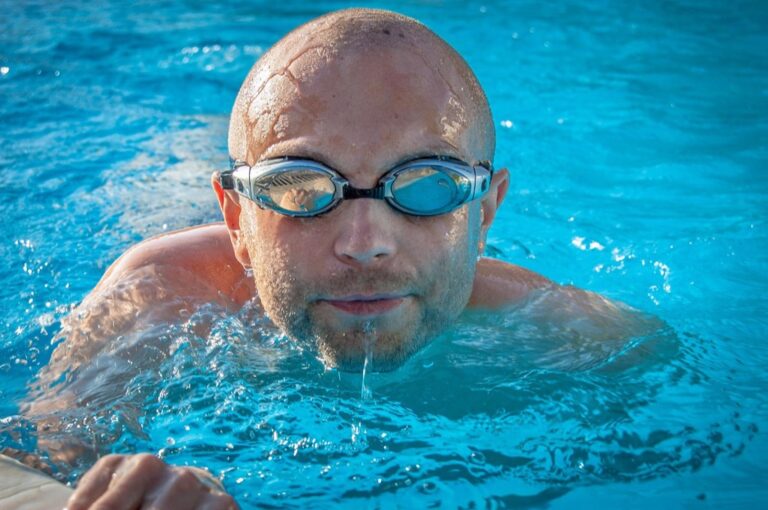
As the morning air turns crisp and the water temperature drops, the transition between seasons demands more than just a wetsuit. Protecting the neck and chest from biting winds is the secret to extending the swimming season well into the cooler months. Finding the right thermal scarf makes all the difference between a brisk, invigorating dip and a shivering, uncomfortable exit.
Disclosure: As an Amazon Associate, this site earns from qualifying purchases. Thank you!
Zone3 Heat-Tech Scarf: Best for Triathletes
The Zone3 Heat-Tech Scarf is engineered specifically for athletes who refuse to let dropping temperatures compromise their training schedule. By utilizing a specialized thermal fabric, this piece locks in body heat around the sensitive neck area without adding the bulk that often leads to drag during transition phases. Its streamlined profile is perfect for wearing under a wetsuit or layered quickly after a session.
For triathletes focused on maintaining core temperature while moving between the water and the bike, this is the gold standard. The fabric resists water absorption, meaning it stays lightweight and effective even when splashed. If training intensity is high and equipment weight is a concern, this is the essential choice to keep the neck warm without sacrificing speed.
Dryrobe Change Scarf: Ultimate Post-Swim Warmth
When the goal is immediate recovery after a freezing open-water swim, the Dryrobe Change Scarf is unmatched. This accessory is designed to be oversized and plush, providing an instant buffer against the wind as soon as the body exits the water. Its heavy-duty thermal lining wicks away residual moisture while trapping the body’s radiant heat.
This scarf is less about performance during the swim and entirely about the transition back to land. For those who frequently deal with “post-swim shivers,” the sheer surface area and heat-retaining properties offer a level of comfort that lighter technical garments cannot match. Investing in this piece is a commitment to post-swim recovery comfort.
Buff ThermoNet Gaiter: Most Versatile Option
The Buff ThermoNet Gaiter brings a high level of technical sophistication to an everyday essential. Built using patented insulation technology developed with Primaloft, it provides four times the warmth of a standard microfibre buff while remaining incredibly breathable. It easily shifts from a neck gaiter to a headband or face covering, adapting to changing wind conditions mid-workout.
This is the quintessential gear for those who fluctuate between high-output swimming, cycling, and casual walking. Its ability to manage moisture while retaining heat ensures that sweat does not turn into a chilling factor. For the versatile athlete who needs one piece of gear to handle a variety of cold-weather scenarios, the ThermoNet is the clear winner.
Orca Neoprene Neck Warmer: Top for Open Water
The Orca Neoprene Neck Warmer serves a very specific, high-performance purpose: sealing the gap between a wetsuit collar and the lower jaw. Constructed from the same high-quality neoprene used in professional-grade wetsuits, it provides a watertight barrier. This prevents cold water from flushing into the suit during high-intensity strokes, keeping the core warmer for longer periods.
If the primary objective is increasing time spent in the water during deep autumn or winter, this piece is non-negotiable. It lacks the breathability of fabric alternatives, so it is strictly for use during the swim itself. Those serious about open-water endurance will find this neck warmer an indispensable addition to their technical arsenal.
Smartwool Merino Scarf: Best All-Natural Fiber
For those who prioritize comfort and natural thermal regulation, the Smartwool Merino Scarf is the top contender. Merino wool is renowned for its ability to provide warmth even when damp, making it an excellent choice for unpredictable weather transitions. Unlike synthetic fibers, it remains soft against the skin and is naturally odor-resistant, which is a major benefit during long-term use.
While it is less “technical” in appearance than neoprene or polyester alternatives, its performance in variable cold is impressive. It manages moisture vapor exceptionally well, preventing that clammy feeling that often follows a transition from water to air. This scarf is the perfect choice for the recreational swimmer who values long-lasting quality and natural fiber performance.
SealSkinz Waterproof Scarf: Best for Wet Weather
In regions where cold often accompanies heavy rain or freezing spray, the SealSkinz Waterproof Scarf provides a necessary shield. The outer layer is completely waterproof, ensuring that the insulating layer underneath remains bone-dry regardless of environmental conditions. By keeping the neck area dry, it prevents the rapid heat loss that occurs when cold water wicks away body warmth.
This product is ideal for those who spend time on boats, docks, or exposed coastlines where moisture is as much of a threat as temperature. It is a specialized tool that performs best when the weather is at its worst. If the primary battle is against wind-driven rain or ocean spray, no other scarf provides this level of barrier protection.
Oaskys Fleece Neck Gaiter: Best Budget Pick
The Oaskys Fleece Neck Gaiter is the definitive choice for those who need reliable, no-frills warmth without a high price point. Using a dense, soft-brushed fleece, it provides an immediate insulating layer that effectively traps heat. While it lacks the high-tech moisture-wicking coatings of expensive alternatives, its ability to cut the wind is excellent for basic, cold-weather outdoor activities.
This piece is perfect for those stocking up on gear for different family members or simply seeking a durable, wash-and-wear solution for casual coastal walks. It is robust, easy to pack, and does exactly what a thermal scarf should: it blocks the cold air. For the budget-conscious enthusiast, this is the most effective and efficient investment.
Choosing Your Scarf: Wool, Fleece, or Neoprene?
Selecting the right material depends entirely on the activity profile. Neoprene is strictly for direct water contact and wetsuit integration, acting as an extension of the suit itself. Fleece is the superior choice for high-volume warmth on land, particularly in dry or lightly damp environments, while its low cost makes it easy to replace.
- Neoprene: Choose this for swim-specific warmth and water resistance.
- Merino Wool: Opt for this if odor resistance and moisture regulation are priorities.
- Synthetic Fleece: Use this for general, everyday warmth and affordability.
Always consider the transition point. If the goal is staying warm immediately upon leaving the water, prioritize wind-blocking fabrics like those found in the Dryrobe or SealSkinz options. If the objective is staying in the water longer, move toward the neoprene category.
How to Wear Your Scarf for Maximum Warmth
Maximum thermal efficiency comes from proper layering and seal placement. For swim-specific neck warmers, ensure the material overlaps with the wetsuit collar to prevent any gaps where cold water can enter. A smooth, tight seal against the skin is far more effective than a loose, bulky fit that allows air to circulate underneath.
When using land-based gaiters, pull the fabric high enough to cover the chin or lower jaw, as these areas lose heat rapidly in the wind. Tuck the bottom of the scarf securely inside your jacket or base layer to create a continuous thermal seal. By sealing the perimeter, the body’s heat is effectively trapped within the clothing system.
Washing & Caring for Your Technical Fabric Scarf
Technical fabrics, especially neoprene and high-end synthetics, require specific care to maintain their insulating properties. Never use fabric softeners or harsh detergents, as these can strip the moisture-wicking coatings off synthetic fibers. Always rinse neoprene gear with fresh, cold water immediately after use to remove salt or chlorine, which can degrade the rubber over time.
For fabric-based gaiters, hand washing in mild detergent and air drying is the best way to ensure longevity. Avoid tumble drying, as high heat can damage the elasticity of the fibers and shrink the material. Following these simple steps will ensure that your thermal gear retains its effectiveness for many seasons of cold-weather recreation.
Mastering the use of thermal accessories is a vital skill for anyone dedicated to cold-weather recreation. By selecting the right material for the specific environment and maintaining the gear properly, you can comfortably extend your activity season far beyond the traditional warmer months. With these tools at your disposal, the cold becomes a challenge to embrace rather than a reason to stay indoors.