6 Best Coir Fiber Logs For Shoreline Repair To Stop Erosion
Combat shoreline erosion with these 6 top-rated coir fiber logs. Learn how these eco-friendly, biodegradable solutions stabilize soil and restore habitats.
Watching a beautiful shoreline slowly wash away into the water is a heartbreak every lakefront property owner dreads. Fortunately, coir fiber logs offer a nature-based solution that stabilizes banks while actually fostering a healthy, thriving ecosystem. By choosing the right material today, you can stop the erosion cycle and reclaim your waterfront for years of recreation.
Disclosure: As an Amazon Associate, this site earns from qualifying purchases. Thank you!
Understanding Shoreline Erosion and Coir Logs
Shoreline erosion is rarely just about water hitting dirt; it’s a complex interaction of wave energy, soil composition, and lack of deep-rooted vegetation. When we lose that protective buffer, sediment clouds the water and destroys the shallow-water habitats where fish spawn and aquatic plants thrive.
Coir logs, made from the fibrous husks of coconuts, act as a structural "speed bump" for water. They provide an immediate physical barrier that absorbs wave energy, allowing sediment to settle behind them rather than washing away. As time passes, these biodegradable logs break down, leaving behind a reinforced, plant-filled bank that is stronger than what you started with.
BioD-Roll Coir Logs for Natural Restoration
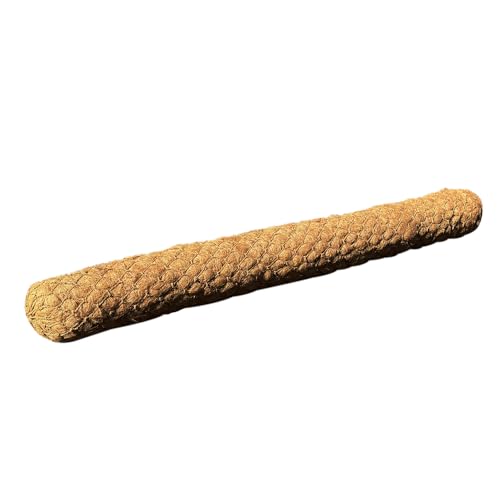

If your primary goal is to jump-start a native plant colony, BioD-Roll logs are the gold standard. These logs are engineered with a consistent density that makes them incredibly easy to plant directly into. I recommend these for anyone working on a wetland transition zone where you want to establish sedges or rushes quickly.
Because they offer a high-quality, uniform substrate, your plugs are far more likely to take root and thrive compared to looser alternatives. If you are looking for a reliable, "set it and forget it" product for a sensitive environmental zone, the BioD-Roll is your best bet. It’s a top-tier choice for those prioritizing ecological recovery over heavy structural reinforcement.
RoLanka BioD-Mat Coir Logs for High Energy
When you’re dealing with a shoreline that faces moderate wave action from boat traffic or prevailing winds, you need something with more structural integrity. RoLanka’s BioD-Mat series is designed specifically to handle those higher energy environments where a standard log might shift or deform.
These are built with tighter netting and denser fiber packing, providing the extra muscle needed to hold the line. If your property sits on a main thoroughfare for watercraft, don’t gamble with lighter logs. Invest in the BioD-Mat if you need a robust, long-lasting barrier that won’t bow under the pressure of constant water movement.
ErosionGuard Coconut Fiber Logs for Stability
ErosionGuard logs are the workhorses of the industry, particularly favored for their versatility in varying soil types. What stands out about this brand is their commitment to structural consistency, which prevents "sagging" when the logs are saturated with water.
This stability is vital because if a log sags, it creates a weak point where water can tunnel underneath and bypass your protection. I suggest these for homeowners who need a reliable, mid-range solution that balances cost with high performance. If you want a dependable product that won’t surprise you with structural failure, ErosionGuard is a solid, no-nonsense choice.
North American Green Coir Logs for Durability
North American Green is a massive name in the erosion control world, and their coir logs reflect that engineering pedigree. These logs are designed to last significantly longer than cheaper alternatives, providing a wider window for vegetation to fully establish its root system.
Their durability makes them ideal for steep banks or areas where access is difficult, meaning you won’t want to replace them for a long time. If you’re looking for a "buy once, cry once" solution that offers maximum longevity, these are the logs to pick. They are built for the long haul, making them perfect for challenging sites that require extra time to stabilize.
ACF Environmental Coir Logs for Vegetation
ACF Environmental specializes in products that integrate seamlessly with the surrounding landscape, making them a favorite for projects that need to look natural from day one. Their logs are particularly porous, which encourages rapid root penetration and keeps the plant material hydrated.
These are the go-to for someone who wants to turn their shoreline into a lush, green buffer rather than just a wall of fiber. If your shoreline restoration is as much about aesthetics as it is about soil retention, ACF is the brand to watch. They offer the best balance of structural support and plant-growth facilitation on the market.
SWM Coir Fiber Logs for Wetland Projects

SWM (Shoreline Wetland Management) logs are specifically tailored for the unique challenges of marshy, boggy, or soft-bottom environments. In these areas, you often deal with "mucky" soil that doesn’t hold traditional anchors well, and SWM addresses this with specialized netting configurations.
These logs are designed to float or sit lightly on soft substrates without sinking into the muck, which is a common failure point for heavier products. If you are working on a swampy or low-lying shoreline, do not use standard logs; get the SWM series. It is the only choice that truly respects the physics of saturated, soft-bottom environments.
Proper Installation Techniques for Coir Logs
Installation is where most people fail, not because of the product, but because of the anchoring. You must use wooden stakes—typically 2×2 hardwood—driven deep into the bank to pin the logs firmly in place. If the log isn’t pinned flush against the soil, water will carve a trench behind it, rendering the entire project useless.
- Trenching: Dig a shallow "key" trench for the log to sit in so it isn’t perched on top of the soil.
- Staking: Use a staggered pattern of stakes on both sides of the log to prevent lateral movement.
- Overlapping: Ensure logs are tightly butted together or overlapped to prevent gaps where erosion can sneak through.
Selecting the Right Coir Log for Your Shore
Choosing the right log comes down to two factors: wave energy and the timeline for vegetation. If you have high boat traffic, prioritize density and structural integrity like the RoLanka or North American Green options. If your site is calm and you just need to keep loose soil in place, the BioD-Roll or ACF logs will serve you much better.
Don’t fall for the trap of thinking "heavier is always better." In soft, marshy areas, a heavy log will sink and fail, whereas a lighter, specialized log will stay put and do its job. Always evaluate your specific soil conditions before buying in bulk.
Long-Term Maintenance of Coir Fiber Systems
Even the best coir logs aren’t permanent; they are a bridge to a self-sustaining shoreline. Over the next 3 to 5 years, your goal is to have native plants take over the role of the log completely. Monitor the logs for excessive sagging or stake movement after every major storm event or spring thaw.
If you see a section failing, don’t panic; it’s an easy fix to add an extra stake or patch the netting. The true success of your project is measured when the logs have fully decomposed and you’re left with a thick, green wall of roots. Keep an eye on those plants, prune them if necessary, and enjoy the peace of mind that comes with a stable, natural shoreline.
Investing in coir logs is one of the smartest ways to protect your property while honoring the natural beauty of your lakefront. By selecting the right product for your specific wave energy and soil type, you are setting the stage for a permanent, living shoreline. Get those logs installed properly, and you’ll be spending your summers relaxing on the dock instead of worrying about the water.