

6 Best Fender Pumps For Inflation To Maintain Boat Safety
Properly inflated fenders are vital for boat protection. Discover the 6 best fender pumps to ensure optimal pressure, safety, and longevity for your vessel.
There is nothing more unsettling than hearing the rhythmic thud of your hull against a dock piling because your fenders have lost their cushion. Proper inflation is the unsung hero of boat protection, turning potential hull damage into a non-event during a rough tide. Investing in the right pump ensures you can maintain that vital barrier between your fiberglass and the unforgiving dock edge.
Disclosure: As an Amazon Associate, this site earns from qualifying purchases. Thank you!
The Importance of Proper Fender Inflation Levels
Fenders are not just decorative bumpers; they are your boat’s first line of defense against structural damage. When a fender is under-inflated, it loses its ability to absorb kinetic energy, effectively becoming a flat piece of rubber that offers zero protection. Conversely, over-inflating can put unnecessary stress on the valve and the fender’s seams, leading to premature failure or even a blowout.
Ideally, a fender should be firm to the touch but still possess a slight "give" when pressed with your thumb. This ensures the air inside can compress upon impact, dissipating the force of the boat against the dock. Checking these levels at the start of every season—and after significant temperature drops—is a non-negotiable habit for any responsible captain.
West Marine Double-Action Pump for Speed
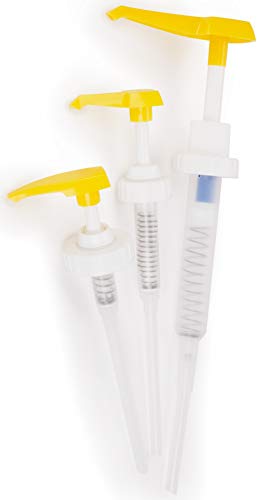

If you are looking to inflate a fleet of oversized fenders in record time, the West Marine Double-Action Pump is your best friend. It pushes air on both the upstroke and the downstroke, effectively cutting your manual labor time in half. This is the ideal choice for boaters who frequently switch between different fender sizes or those who need to get their gear ready for a sudden weekend departure.
The build quality is rugged enough to withstand the salt-air environment of a marina locker. While it is slightly bulkier than a basic hand pump, the trade-off in speed is well worth the extra storage space. If you value efficiency above all else, this is the pump you want in your dock box.
Taylor Made Products Fender Inflator Kit

Taylor Made is a household name in marine gear, and their Fender Inflator Kit is designed for the boater who values precision and reliability. This kit typically includes a specialized needle adapter that fits most standard fender valves perfectly, preventing the air leakage that often plagues generic setups. It’s a "buy it once" solution that eliminates the frustration of mismatched fittings.
This kit is perfect for those who own high-quality, branded fenders and want to ensure they aren’t damaging the valves with ill-fitting tools. It’s compact, simple, and incredibly effective at achieving that "perfect" pressure. If you want a no-nonsense tool that just works every time, this is the gold standard.
Polyform US High-Flow Manual Hand Pump

Polyform fenders are known for their durability, and their dedicated high-flow manual pump is engineered to match that longevity. This pump is specifically calibrated to handle the volume required for larger, heavy-duty fenders without requiring the user to spend an hour pumping. The ergonomic handle design makes it easier on the wrists, which is a major plus if you have several large fenders to prep.
I recommend this for owners of larger vessels who use heavy-duty, thick-walled fenders. It provides a consistent air flow that ensures the fender maintains its shape under pressure. It is a robust, reliable tool that won’t let you down when you need to top off your fenders before a storm.
Boatmate Fender Inflator for Quick Access

The Boatmate Fender Inflator is the ultimate "grab and go" tool for the boater who keeps their gear organized and accessible. It is lightweight, compact, and features a straightforward design that requires zero learning curve. If you are the type of boater who likes to keep a small emergency kit under the console, this fits perfectly without taking up precious space.
While it may not be the fastest pump on the market, its portability makes it indispensable for quick adjustments while already moored. It is an excellent secondary pump or a primary choice for smaller day-boats. You’ll appreciate its simplicity the moment you need to make a quick adjustment on the fly.
Attwood Marine Fender Inflation Tool
Attwood has focused on creating a universal solution with their fender inflation tool, which aims to bridge the gap between various valve types. This tool is essentially an adapter that turns your standard bicycle pump or air compressor hose into a marine-ready fender inflator. It’s an incredibly clever way to utilize tools you likely already have in your garage or boat shed.
This product is perfect for the budget-conscious boater or the minimalist who hates clutter. By using your existing air source, you save money and storage space without sacrificing functionality. If you already have a high-quality foot pump or compressor, this adapter is all you need to get the job done.
SeaSense Universal Fender Pump Efficiency

SeaSense delivers a reliable, no-frills universal pump that hits the sweet spot between price and performance. It features a durable construction that resists the corrosive effects of a marine environment, making it a reliable staple for any dock box. It is designed to be intuitive, ensuring that even someone helping you prep the boat for the first time can use it correctly.
This pump is the perfect "workhorse" for the average recreational boater. It isn’t the fanciest tool in the shed, but it is consistent, easy to store, and handles the job of maintaining fender pressure with ease. It is a solid, dependable choice for those who want gear that lasts without breaking the bank.
Assessing Fender Material and Valve Types
Not all fenders are created equal, and understanding your specific equipment is vital. Most modern fenders use a needle-style valve or a screw-in plug system. Before you purchase a pump, check your fender’s valve to ensure compatibility; using a needle on a screw-in valve will cause permanent damage to the seal.
Material also plays a role in how much pressure the fender can safely hold. Vinyl fenders are flexible and forgiving, but they can become brittle if over-pressurized in cold weather. Always consult the manufacturer’s guidelines regarding the maximum PSI for your specific model to avoid "popping" a seam during an afternoon of high heat.
Seasonal Maintenance for Fender Longevity
Fender maintenance shouldn’t just happen when you notice a problem; it should be part of your seasonal routine. In the spring, inspect all valves for signs of cracking or salt buildup. A quick rinse with fresh water and a mild soap can prevent the valve from sticking, which is a common cause of slow air leaks.
During the summer, keep an eye on your fenders after extreme temperature fluctuations. Air expands in the heat, which can turn a perfectly inflated fender into an over-pressurized one, increasing the risk of a blowout. A quick check once a month during the peak season will save you from having to replace expensive gear prematurely.
Safety Protocols for Docking and Mooring
Properly inflated fenders are useless if they are positioned incorrectly. Always ensure your fenders are hung at the correct height to protect the widest part of your hull, which is usually the rub rail area. If you are docking in a slip with vertical pilings, ensure the fenders are tied securely so they don’t slide out of position during a surge.
Remember that fenders are meant to protect your boat during the docking process, not to be a permanent mooring solution. Always use proper dock lines and snubbers to manage the boat’s movement, with fenders acting as the final safety buffer. A well-prepared captain uses both high-quality gear and sound seamanship to ensure the boat remains safe in any conditions.
Maintaining your boat’s fenders is a small task that pays massive dividends in hull preservation. By choosing a pump that fits your specific needs and sticking to a seasonal maintenance schedule, you ensure your vessel stays pristine throughout the season. Keep your fenders firm, your dock lines secure, and enjoy the peace of mind that comes with being truly prepared.
