

7 Best Wetsuit Gloves For Handling Cameras For Pros
Capture steady, crisp shots in cold water. We review the 7 best wetsuit gloves for photographers, balancing thermal protection with essential tactile control.
Capturing the perfect underwater shot requires a delicate balance between protecting your hands from the chill and maintaining the finesse needed to operate intricate camera dials. Finding the right pair of gloves is often the difference between a successful dive and a frustrating session of fumbling with your housing. These seven selections prioritize the tactile sensitivity essential for professional underwater imaging.
Disclosure: As an Amazon Associate, this site earns from qualifying purchases. Thank you!
Why Dexterity Matters for Underwater Imaging
Underwater photography is a game of millimeters. When you are adjusting shutter speed, aperture, or white balance on a housing, you need tactile feedback to feel the clicks and turns of your controls. Thick, stiff gloves might keep you warm, but they often turn your fingers into clumsy mitts, leading to missed shots and accidental setting changes.
Professional imaging demands gloves that fit like a second skin. You want to avoid "dead air" space in the fingertips, which creates bulk and reduces your ability to depress tiny shutter buttons or navigate menu wheels. Prioritizing dexterity doesn’t just improve your hit rate; it reduces the time you spend looking at your housing, allowing you to keep your eyes on the marine life.
Bare 3mm Elastek: Best for Tactile Precision
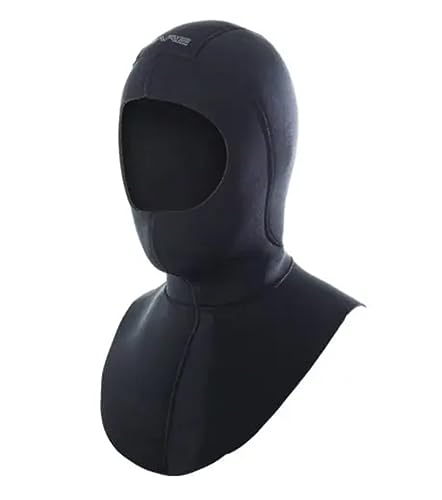

If you prioritize feel above all else, the Bare 3mm Elastek is your go-to choice. These gloves utilize a highly flexible neoprene that contours to the hand, minimizing the bulk that usually plagues thicker gear. The result is a glove that feels almost invisible, allowing you to manipulate tiny macro focus gears with ease.
Because they are so form-fitting, they excel in environments where you need to switch between manual and autofocus frequently. If your photography style involves high-precision work, these are the gloves you want. They are an investment in control, making them the clear winner for photographers who refuse to compromise on tactile feedback.
Fourth Element 3mm: Best for Thermal Control

Fourth Element has mastered the science of heat retention without sacrificing the flexibility required for technical tasks. Their 3mm gloves use advanced lining materials that trap heat effectively, keeping your extremities warm even during long, repetitive dives. This is essential for photographers who spend hours hovering in place while waiting for the perfect subject.
The thermal efficiency here is superior, making them ideal for temperate waters where you don’t want to switch to a bulkier 5mm glove. If you find your hands going numb before your tank is empty, the Fourth Element 3mm will extend your shooting time significantly. They are the perfect middle-ground for the professional who needs both warmth and operational agility.
Henderson Thermoprene: Best for Durability
Underwater photography often involves crawling over rocks, grabbing onto mooring lines, or handling abrasive camera trays. The Henderson Thermoprene is built for these rugged conditions, featuring a robust construction that resists tearing and abrasion better than most high-stretch alternatives. You won’t be worried about snags when you are focused on composition.
While they are slightly stiffer than the ultra-thin options, the trade-off is a glove that will survive season after season of heavy use. If you are a working pro who spends more time in the water than on land, the durability of the Thermoprene will save you from constant replacements. These are the workhorses of the underwater photography world.
Scubapro Definition 3mm: Best Grip Design

Operating a camera housing requires a secure grip, especially when you are dealing with heavy strobe arms and trays. The Scubapro Definition 3mm features a textured palm and finger pattern that provides exceptional friction, ensuring your gear stays exactly where you want it. This grip design is a game-changer for maintaining stability while shooting in currents.
Beyond the grip, the fit is anatomical and comfortable, reducing hand fatigue during long dives. If you frequently shoot with heavy, complex rigs, the confidence provided by this superior grip is invaluable. This is the glove for the photographer who needs their gear to feel like an extension of their own body.
Mares Flex Gold 3mm: Best for Cold Waters

When the water temperature drops, traditional neoprene can lose its suppleness, but the Mares Flex Gold 3mm is designed to maintain its properties in cooler conditions. The "Gold" interior lining provides a slick, heat-reflective surface that maximizes warmth without needing extra thickness. This allows you to keep your fingers nimble even when the thermometer dips.
The streamlined profile is perfect for photographers who need to keep their hands slim for tight housing controls. If you are shooting in temperate or cold water and struggle with the bulk of traditional cold-water gloves, this is your solution. It provides the thermal protection of a thicker glove with the dexterity of a thinner one.
Cressi High Stretch: Best for Easy Donning

There is nothing more frustrating than struggling to pull on a tight glove while the boat is rocking or the current is picking up. The Cressi High Stretch lives up to its name, offering a generous amount of elasticity that makes putting them on and taking them off a breeze. This convenience is a massive plus for photographers who need to be ready at a moment’s notice.
Despite the ease of entry, they still provide a snug enough fit to prevent excessive water flushing. If you have larger hands or simply value convenience and comfort, these are an excellent choice. They are reliable, straightforward, and perform consistently across a wide variety of diving conditions.
Tusa Sport 2mm: Best for Tropical Photography
In tropical waters, you don’t need heavy thermal protection, but you do need protection from sun, stinging hydroids, and gear abrasion. The Tusa Sport 2mm is the perfect lightweight option for warm-water photographers who want to keep their hands protected without overheating. It offers just enough material to provide a solid grip on your housing without adding unwanted bulk.
Because it is thinner, it offers the highest level of dexterity in this list, making it feel almost like a second skin. If your photography takes you to reefs and shallow clear waters, this is the ideal choice. It keeps your hands safe and your camera controls accessible without the thermal overkill.
Essential Tips for Camera Gear Maintenance
Saltwater is the enemy of both your gloves and your camera housing. Always rinse your gloves thoroughly in fresh water after every dive, and avoid leaving them in direct sunlight, which can degrade the neoprene and cause it to lose its stretch over time. Proper storage—hanging them by the cuffs—prevents creasing and helps them maintain their shape.
For your camera gear, ensure that your gloves are free of sand and grit before you touch your housing buttons. A single grain of sand on a glove can transfer to an O-ring or a button seal, potentially leading to a flood. Clean gloves are not just about hygiene; they are a vital part of your preventative maintenance routine.
Choosing the Right Thickness for Your Dive
The "right" thickness is a balance between your personal cold tolerance and the specific environment. A 2mm glove is perfect for tropical waters, while a 3mm is the industry standard for most temperate diving. If you are diving in water below 60°F (15°C), you may need to consider 5mm, but be aware that you will sacrifice significant tactile sensitivity.
Always err on the side of dexterity if you are shooting macro, where small movements are critical. If you are shooting wide-angle or video, you can often get away with slightly thicker, warmer gloves. Remember that as you go deeper, neoprene compresses, reducing the thermal protection of your gloves, so plan your gear according to your maximum depth.
Selecting the right wetsuit glove is a critical step in refining your underwater photography workflow. By balancing the need for warmth with the absolute necessity of tactile control, you ensure that your gear never stands between you and the perfect shot. Choose the pair that aligns with your specific dive environment, and you’ll find that your focus remains exactly where it belongs: on the subject.
