6 Best Portable Water Tanks For Camping For Long Trips
Planning a long camping trip? Discover the 6 best portable water tanks that offer durability, easy transport, and reliable hydration for your outdoor needs.
Nothing ruins a perfect weekend in the wilderness faster than running out of clean, accessible water before your trip is through. Whether you are dry camping in the desert or setting up a basecamp by a remote lake, having a reliable storage solution is the difference between comfort and crisis. Let’s look at the best gear to keep you hydrated and prepared for any adventure.
Disclosure: As an Amazon Associate, this site earns from qualifying purchases. Thank you!
Scepter Military Water Can: Best Rugged Choice


If you are planning a trip that involves rough terrain, vibration, and the occasional tumble, the Scepter Military Water Can is the gold standard. These tanks are constructed from high-density polyethylene that is virtually indestructible, meaning they can handle being strapped to the roof rack of a 4×4 for thousands of miles without a single leak.
The design is intentionally utilitarian, featuring a heavy-duty cap and a wide-mouth opening that makes filling and cleaning straightforward. Because these are built to military specifications, they are BPA-free and designed to keep water tasting neutral even after sitting in the sun for days. If your priority is absolute reliability and you want a tank that will likely outlive your vehicle, this is the one to buy.
Reliance Products Aqua-Tainer: Best Value Pick

For the casual camper who sticks to established campgrounds and doesn’t need to survive a Baja rally, the Reliance Aqua-Tainer is a fantastic, budget-friendly solution. These 7-gallon containers are ubiquitous for a reason: they are affordable, stackable, and feature a convenient hideaway spigot that makes dispensing water for hand washing or cooking a breeze.
While the plastic construction isn’t as bombproof as military-grade gear, the Aqua-Tainer is more than sufficient for standard car camping. Just be mindful of the vent cap; it can be prone to slow leaks if the container is tipped over during transit, so it is best to transport these upright. If you want a reliable, functional water source without breaking the bank, this is your best bet.
Rotopax Water Pack: Best For Off-Road Trips

When space is at a premium and you need to keep your center of gravity low, Rotopax containers are in a league of their own. These flat, modular tanks are specifically designed to mount to the exterior of your Jeep, truck, or adventure van, utilizing dead space that would otherwise go unused. They are incredibly tough, leak-proof, and designed to withstand the harsh vibrations of off-road driving.
The trade-off here is capacity and cost, as these are significantly more expensive per gallon than a standard jug. However, for the overlander who needs to carry extra water without cluttering the interior of the vehicle, the mounting versatility is unmatched. If you are building a dedicated adventure rig, investing in a Rotopax system is a smart, space-saving move.
Dometic Go Hydration Jug: Best Modern Design
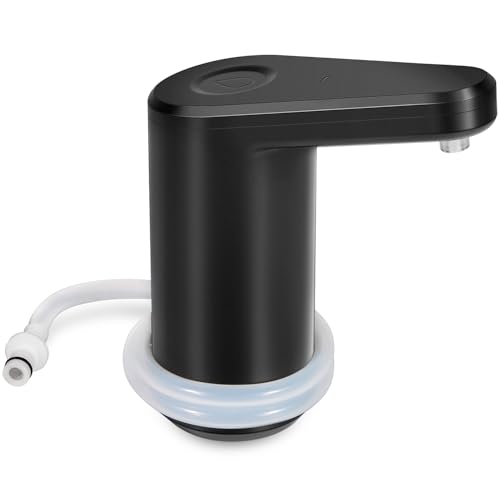
Dometic has redefined how we think about water storage with the Go Hydration Jug, blending sleek aesthetics with high-end functionality. It features a thoughtful, ergonomic design that makes it easy to carry, and it integrates seamlessly with an optional electric faucet. This setup turns your camp water supply into a pressurized, touch-free system that feels surprisingly luxurious in the middle of the woods.
This jug is perfect for the camper who values organization and wants to minimize the mess of traditional pouring. It is easy to fill, easy to clean, and looks great on a tailgate. If you are willing to pay a premium for a refined, modern camping experience, the Dometic system is the clear winner for your setup.
LCI 5-Gallon Water Can: Best Classic Utility
The LCI 5-Gallon Water Can is the quintessential "jerry can" design that has served campers and explorers for generations. It is a no-frills, highly functional container that fits perfectly into standard military-style racks. The rugged plastic construction is reliable, and the classic shape is easy to secure with simple tie-downs or bungees.
This is the tank for the traditionalist who appreciates gear that just works without unnecessary bells and whistles. It is compact enough to fit in small vehicles but sturdy enough to handle a fair amount of abuse on the trail. If you prefer a simple, proven design that has stood the test of time, look no further.
Sea to Summit Water Cell: Best Lightweight Option
Carry water easily on any adventure with the Sea to Summit Watercell X. This durable, collapsible 4-liter reservoir features a multi-function cap for dispensing and showering, plus a wide-mouth opening for easy filling and compatibility with most water filters.

When you are hiking into a remote site or have limited storage space in a small car, the Sea to Summit Water Cell is a game-changer. These flexible, collapsible containers allow you to carry a significant volume of water when needed and pack down to almost nothing when empty. They feature multiple attachment points, making them easy to hang from a tree branch for a gravity-fed shower or hand-washing station.
While they aren’t meant to be tossed around like a hard-sided jug, the fabric is surprisingly abrasion-resistant and food-grade safe. They are ideal for backpackers or campers who need to maximize space without sacrificing water capacity. If you need to keep your gear weight low and your footprint small, this is the solution you need.
Assessing Your Daily Water Usage Requirements
A common mistake is underestimating how much water you actually need, especially in hot or dry climates. A good rule of thumb is to plan for at least one gallon per person per day for drinking, cooking, and basic hygiene. If you are planning on doing dishes or taking a quick rinse, you should increase that estimate by at least 50%.
It is better to have an extra gallon than to run dry, so always factor in a "buffer" for emergencies or unexpected delays. Remember that your water needs will fluctuate based on activity levels and ambient temperature. When in doubt, err on the side of carrying more, as dehydration is a safety risk that is entirely preventable with proper planning.
Essential Tips For Keeping Tank Water Fresh
Water can quickly take on a "plastic" taste if it sits in a tank for too long, especially in the heat. To keep your supply fresh, start by using only food-grade containers and ensuring they are thoroughly cleaned before every trip. If you are filling from a questionable source, always use a high-quality water filter or purification tablets before storing the water in your tank.
Keep your tanks out of direct sunlight whenever possible, as UV rays can promote algae growth and degrade the plastic over time. If you are storing water for an extended period, adding a tiny amount of unscented household bleach—about 1/8 teaspoon per gallon—can help keep the water potable. Always store your full tanks in a cool, shaded area to maintain the best possible flavor and safety.
Proper Cleaning Methods For Portable Tanks
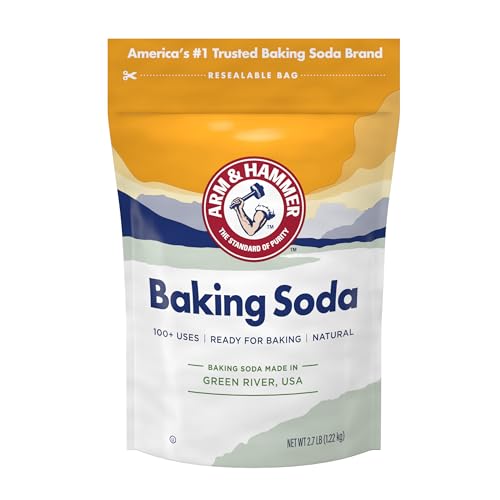
Regular maintenance is the best way to prevent mold and bacteria buildup in your water supply. After every trip, empty the tank completely and rinse it with warm water and a mild, unscented soap. For a deeper clean, use a solution of water and baking soda to scrub the interior, which helps neutralize odors and remove any residual film.
ARM & HAMMER Baking Soda ensures fluffier baked goods with its pure, fine-grade formula. Made in the USA, it's also a versatile solution for cleaning, deodorizing, and more around your home.
If you suspect mold or want to sanitize your tanks before the season starts, a solution of one part vinegar to three parts water is highly effective. Let the solution sit in the tank for a few hours, then rinse thoroughly until the vinegar smell is completely gone. Always ensure the tank is 100% dry before storing it away, as moisture trapped inside is the primary cause of stagnant water and mildew.
Securing Your Water Supply During Transit
Water is heavy—a single gallon weighs about 8.3 pounds—so securing your tanks correctly is a matter of vehicle safety. Never place heavy water tanks on the highest point of your roof rack, as this raises your vehicle’s center of gravity and increases the risk of a rollover. Instead, keep them as low as possible and centered between the axles to maintain stability.
Use heavy-duty ratchet straps rather than bungee cords, as bungees can stretch and allow the tank to shift during sudden stops or turns. If you are carrying multiple tanks, ensure they are braced against each other or the vehicle wall to prevent them from sliding. Taking a few extra minutes to properly secure your water supply will save you from a dangerous situation on the road.
Investing in the right water storage gear is the foundation of a successful and stress-free camping trip. By choosing the tank that fits your specific travel style and maintaining it with care, you ensure that your hydration needs are always met, no matter how far off the grid you go. Stay hydrated, stay safe, and enjoy your next adventure on the water or in the woods.