

6 Best Anchor Ropes For Durability for Coastal Boating
Selecting the right anchor rope is vital for coastal safety. We analyze the top six durable options, focusing on material strength and corrosion resistance.
There is nothing quite like the peace of mind that comes from knowing your boat is securely held against the shifting tides and unpredictable currents of the coast. Choosing the right anchor rope isn’t just about convenience; it is a fundamental safety decision that protects your vessel from drifting into danger. These six selections are designed to keep you anchored firmly, no matter how the wind decides to shift.
Disclosure: As an Amazon Associate, this site earns from qualifying purchases. Thank you!
Understanding Anchor Rope Material and Strength
When it comes to coastal boating, nylon is the undisputed king of anchor lines. Its natural ability to stretch under tension acts as a built-in shock absorber, preventing the sudden, jarring force of waves from snapping the line or bending your anchor shank. Unlike polypropylene, which can degrade rapidly under harsh UV exposure, high-quality nylon maintains its integrity even after months of salty, sun-drenched use.
Strength is measured by the rope’s breaking strain, but don’t make the mistake of thinking "thicker is always better." An oversized line can be difficult to manage in a windlass or coil neatly in a locker, which hinders your ability to deploy the anchor quickly in an emergency. Always match the rope diameter to your boat’s length and displacement to ensure you have the perfect balance of tensile strength and functional handling.
Factors for Selecting Coastal Anchor Ropes
Selecting the right line requires looking at more than just the price tag. You must consider the construction—specifically, whether you prefer the high-stretch, easy-to-splice nature of three-strand or the tangle-resistant, smooth handling of double-braid. For coastal environments, salt crystals can work their way into the fibers of a rope, so choosing a material that resists abrasion and internal salt buildup is vital for long-term durability.
Environmental factors like local tidal ranges and the type of seabed also play a role. If you frequently anchor in rocky or coral-heavy areas, you will need a line with superior abrasion resistance, or at least a robust chain lead to take the brunt of the contact. Never underestimate the importance of UV protection, as the relentless coastal sun is often the primary culprit behind the premature aging of synthetic lines.
West Marine Three-Strand Nylon: Best Overall
If you want a reliable, no-nonsense workhorse that handles the rigors of coastal cruising, this is your go-to choice. Three-strand nylon is the industry standard for a reason; it is incredibly easy to splice, highly elastic, and remarkably forgiving when tension spikes during a choppy tide. It’s the perfect match for the boater who values proven performance over fancy aesthetics.
I recommend this for anyone who wants a straightforward, dependable rode that won’t let them down when the weather turns. It’s flexible enough to handle easily by hand but strong enough to hold a variety of coastal vessels securely. If you need a versatile, all-purpose anchor line, you simply cannot go wrong here.
Seachoice Double Braid Nylon: Best Reliability


Double-braid nylon offers a significant step up in terms of handling and longevity. Because the core and cover share the load, this rope is less prone to kinking and twisting than its three-strand counterparts, making it a dream to feed through a windlass. It feels smoother in the hand and maintains its shape even after years of heavy duty.
This is the ideal selection for the boater who spends long weekends at sea and needs a line that resists the wear and tear of frequent deployment. While it is slightly more complex to splice, the trade-off is a premium, high-strength rope that remains supple over time. If you prioritize reliability and a tangle-free experience, this is the rope for your boat.
SGT KNOTS Twisted Nylon: Best Value Choice

Sometimes you don’t need the most expensive gear to get a professional result, and SGT KNOTS delivers exactly that. This twisted nylon is built to withstand the elements without breaking the bank, making it a fantastic option for weekend warriors or those outfitting a smaller coastal craft. It offers the classic stretch and strength characteristics you expect from marine-grade nylon at a very accessible price point.
This line is perfect for the budget-conscious boater who refuses to sacrifice safety for savings. It handles well, knots securely, and provides the necessary shock absorption for coastal conditions. If you need to replace your old, frayed rode without overspending, this is your best value play.
Mantus Marine Anchor Rode: Best for Stability
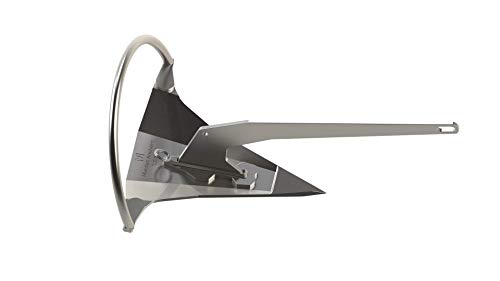
Mantus has engineered a system that feels more like a complete solution than just a piece of rope. By combining high-quality nylon with a precisely weighted chain lead, this setup is designed to keep your anchor set deeper and more securely in the seabed. The integration is seamless, reducing the chance of the rode fouling or getting tangled during the critical moments of setting your hook.
I suggest this for the boater who often anchors in challenging, high-current coastal areas where stability is paramount. It is a bit of an investment, but the stability it provides is worth every penny when you’re sleeping soundly in a protected cove. If you want a "set it and forget it" confidence level, this is the product for you.
SeaSense Solid Braid Nylon: Best for Utility
Solid braid nylon is a unique beast because it is specifically designed to stay round and firm, even when under heavy tension. This construction prevents the rope from flattening out, which can be a huge benefit when you’re dealing with tight cleats or small storage compartments. It’s a utility-focused line that excels in environments where you need consistent, predictable behavior from your gear.
This is a great secondary or "utility" anchor line for those who want a rope that is easy to manage and stow. It isn’t as stretchy as three-strand, so keep that in mind if you’re using it as your primary rode in heavy swell. For general utility and smaller vessels, it’s a solid, reliable performer.
Defender Marine Pre-Spliced Line: Best Ease

There is nothing more frustrating than arriving at the coast only to realize your new line isn’t ready for duty. Defender Marine takes the guesswork out of the equation by offering high-quality, pre-spliced lines that are ready to attach to your chain or anchor immediately. The quality of the splice is professional-grade, ensuring that the weakest point of your system is as strong as the rest of the rope.
This is the ultimate choice for the boater who values their time and wants to avoid the hassle of DIY splicing. It’s a clean, efficient way to get your boat ready for the water without needing specialized tools or extra time. If you want to get out on the water faster, buy this pre-spliced option and get to anchoring.
Proper Care and Storage for Anchor Lines
Even the best nylon rope will fail if it is left to rot in a damp, dark locker. After every coastal trip, rinse your anchor line thoroughly with fresh water to remove salt crystals, which can act like tiny shards of glass inside the fibers. Once rinsed, hang the rope in a shaded, well-ventilated area to dry completely before coiling it away for the next excursion.
Avoid storing your line in direct sunlight when not in use, as UV rays are the silent enemy of synthetic fibers. If you have a dedicated anchor locker, ensure it has proper drainage so the line isn’t sitting in a pool of saltwater. A little bit of maintenance after each voyage will double the lifespan of your gear and ensure it remains strong when you need it most.
Inspecting Your Rode for Safety and Wear
You should make it a habit to inspect your entire anchor rode at the start of every season and after any particularly rough outing. Run your hands along the length of the rope, feeling for soft spots, stiffness, or signs of fraying where the line may have rubbed against the bow roller or chocks. If you see significant discoloration or "fuzzing" on the surface, it is time to consider a replacement.
Pay special attention to the splice, as this is where the most stress is concentrated. If the strands look loose or the thimble is showing signs of corrosion, don’t wait for a failure—replace or re-splice it immediately. Your anchor line is your primary tether to safety; when in doubt, swap it out.
Investing in a high-quality anchor rope is one of the most practical ways to ensure your coastal adventures remain safe and stress-free. By choosing the right material and construction for your specific vessel, you are setting yourself up for many successful seasons on the water. Take care of your gear, inspect it often, and you will always be able to drop your hook with total confidence.
