

6 Best Boating Pants For Insulation For Cold Waters
Stay warm in cold waters with our top 6 boating pants. We analyze thermal materials and designs to help you choose the best insulation for your next voyage.
There is nothing quite like the crisp, invigorating air of a shoulder-season sail, but the biting chill of cold water can ruin a day on the water faster than a sudden squall. Staying warm isn’t just about comfort; it is a fundamental safety requirement that keeps your core temperature stable and your reaction times sharp. Choosing the right insulation for your legs is the difference between a miserable, shivering experience and a long, productive day out on the waves.
Disclosure: As an Amazon Associate, this site earns from qualifying purchases. Thank you!
Understanding Insulation Needs for Cold Water
When you are boating in cold water, your body loses heat significantly faster than it would on land. Water conducts heat away from your skin 25 times more efficiently than air, making even a minor splash or spray a potential risk for hypothermia. Your primary goal is to trap a thin layer of water or air against your skin and keep it there, preventing the constant cycle of heat loss.
It is a common misconception that you should just wear as many layers as possible. Over-layering can restrict your range of motion, which is dangerous when you need to move quickly across a deck or handle rigging. Instead, you need specialized gear that manages moisture while providing thermal resistance in the exact areas where you are most exposed to spray and wind.
Choosing Materials for Thermal Performance
The gold standard for cold water insulation is neoprene, a synthetic rubber that traps tiny bubbles of nitrogen gas to provide excellent thermal protection. The thickness of the neoprene—usually measured in millimeters—dictates how much warmth it provides. For most boating applications, a 1.5mm to 3mm thickness offers the best balance between warmth and the flexibility required for active sailing or powerboating.
Beyond basic neoprene, many modern technical pants now feature metallic linings or hollow-fiber fleece interiors. These materials are designed to reflect body heat back toward your skin or wick moisture away to keep you dry. Always look for flatlock or glued-and-blind-stitched seams, as these prevent cold water from seeping through the construction points of the garment.
NRS HydroSkin 1.5mm Pants for Versatility
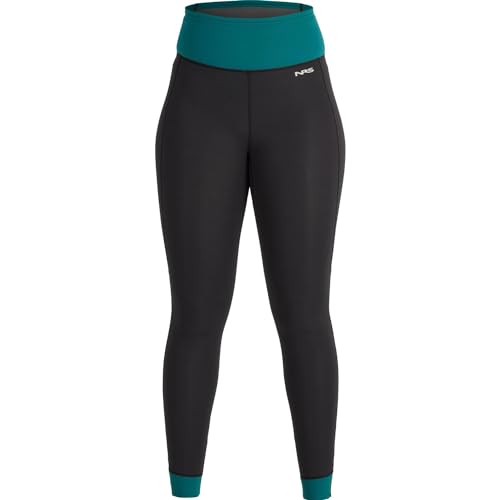

If you are the type of sailor who transitions between different water sports and wants one pair of pants that does it all, the NRS HydroSkin 1.5mm is your best bet. These pants offer just enough thermal protection for chilly mornings without feeling like you are wearing a full, restrictive wetsuit. The high-stretch neoprene moves with your body, making them perfect for active deck work where you are constantly crouching or shifting your weight.
While they aren’t meant for sub-zero, deep-water immersion, they excel at blocking wind and spray during high-speed maneuvers. They are incredibly lightweight, meaning they layer easily under a dry top or a lighter pair of waterproof shells. If you prioritize mobility and multi-sport utility over heavy-duty thermal armor, these are the pants you should be reaching for.
Gill Men’s Pro Salopettes for Heavy Duty Use

When the forecast calls for heavy spray, wind, and long hours on the water, you need the Gill Men’s Pro Salopettes. These are designed with the serious mariner in mind, featuring reinforced seat and knee panels that can handle the constant friction of a non-skid deck. Unlike standard neoprene pants, these offer a more structured fit that acts as a robust barrier against the elements.
The salopette design provides extra coverage for your lower back and torso, which is critical for preventing heat loss when you are bent over the side of the boat. They are durable, reliable, and built to last through multiple seasons of hard use. If you are a dedicated sailor who doesn’t let a little rough weather keep you at the dock, these are an essential investment.
Zhik Superwarm V Skiff Pants for Insulation

The Zhik Superwarm V Skiff Pants are engineered for performance in the coldest conditions you are likely to encounter. They utilize a thermal-insulating lining that feels soft against the skin, combined with 3mm neoprene that provides substantial warmth without excessive bulk. The cut is specifically tailored for a seated or athletic posture, ensuring that you don’t have bunching fabric when you are working the boat.
What sets these apart is the targeted insulation; they provide warmth where you need it most while maintaining breathability in higher-motion areas. They are a favorite among competitive racers who cannot afford to be slowed down by heavy, water-logged gear. If you are looking for high-end thermal technology and a precise fit for active boating, these are the clear winners.
Musto Flexlite Alumin Pants for Warmth
Musto’s Flexlite Alumin technology is a game-changer for those who struggle with cold legs. These pants incorporate an "alumin" thermal backer that reflects your body heat back to you, effectively increasing the warmth rating without increasing the material thickness. This allows for a slimmer, more aerodynamic profile that doesn’t sacrifice performance for heat retention.
The fabric is highly elastic, providing a second-skin fit that is perfect for agility. Because they are thinner than traditional heavy-duty neoprene, they are exceptionally comfortable for long days where you are transitioning between being active and standing still. If you want the latest in heat-reflective technology and a streamlined, professional look, the Flexlite Alumin is the right choice for you.
Helly Hansen HP Foil Pants for Protection

The Helly Hansen HP Foil line is designed for those who view their boating apparel as a piece of safety equipment. These pants focus on durability and water-shedding capabilities, utilizing a construction that prevents water from soaking into the outer layer. They are rugged enough to withstand the abrasive nature of ropes, hardware, and deck surfaces.
While they offer great protection, they are slightly less focused on "trapping" heat through thickness and more on keeping the environment out. They work best when paired with a quality base layer underneath, giving you a modular system that can adapt to changing temperatures. If you prioritize protection against the elements and long-term durability, the HP Foil is a top-tier contender.
Gul Power 3mm Neoprene Pants for Comfort
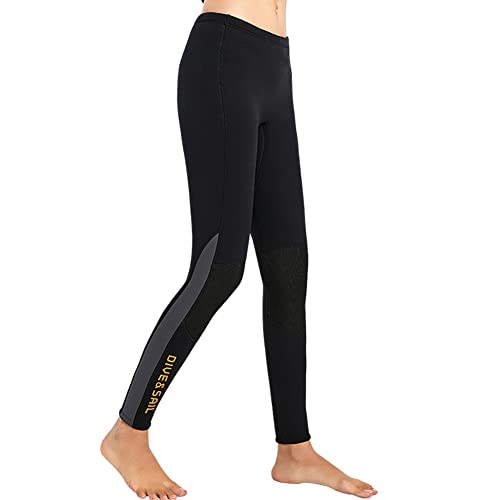
Sometimes, you just want a straightforward, comfortable pair of pants that keeps you warm without a lot of bells and whistles. The Gul Power 3mm Neoprene Pants are exactly that. They are reliable, warm, and provide the classic neoprene feel that many boaters have come to trust over the years. The 3mm thickness is the "sweet spot" for most cold-water recreation, offering significant warmth for long sessions.
These pants are excellent for those who are just getting into cold-water boating and want a piece of gear that is easy to put on and take off. They aren’t overly complicated, but they get the job done effectively. If you want a no-nonsense, comfortable, and affordable solution for staying warm, you really can’t go wrong with these.
Essential Layers for Your Boating Outfit
Your pants are only one part of the equation when it comes to thermal regulation. Even the best neoprene pants will be less effective if your upper body is losing heat or your feet are soaked in freezing water. Always pair your pants with a high-quality thermal base layer, preferably made of synthetic materials or wool, which will wick sweat away from your skin to keep you dry.
Don’t forget to address your extremities, as your hands and feet are the first to feel the chill. Waterproof sailing boots and neoprene gloves are just as important as your pants. Remember: the goal is to create a sealed system where your core remains warm, dry, and protected from the wind chill.

Caring for Your Technical Boating Apparel
Technical gear requires specific care to maintain its thermal properties. After every outing, rinse your pants thoroughly with fresh water to remove salt crystals, which can degrade neoprene and stiffen the fabric over time. Salt is the enemy of zippers and seams, so a good freshwater soak is the most important step in your maintenance routine.
Always air dry your gear in a shaded area, keeping it away from direct sunlight or heat sources like radiators. UV rays and excessive heat can cause neoprene to become brittle and lose its elasticity. By taking these few minutes after your trip to clean and store your gear properly, you ensure that your investment will keep you warm for many seasons to come.
Staying warm on the water is a skill that blends the right equipment with a bit of foresight. By selecting the pair of pants that matches your specific activity level and local water conditions, you can extend your season and enjoy the water long after the summer crowds have gone home. Keep your gear clean, layer wisely, and you will find that cold water is no longer an obstacle to a great day on the boat.
