

7 Best Fishing Bait Knives For Filleting For Anglers
Discover the 7 best fishing knives for precise filleting. Our guide evaluates durability, blade flexibility, and grip to help anglers process their catch easily.
There is nothing quite like the satisfaction of turning a successful day on the water into a clean, professional-grade fillet ready for the grill. Having the right tool in your kit is the difference between a frustrating, messy struggle and a seamless, efficient process. These seven knives represent the gold standard for anglers looking to elevate their fish-processing game.
Disclosure: As an Amazon Associate, this site earns from qualifying purchases. Thank you!
Bubba Blade 9-Inch Tapered Flex Fillet Knife


The Bubba Blade is a staple on many charter boats for a reason: it is built to handle the rigors of heavy-duty use without flinching. The signature non-slip grip provides incredible control, even when your hands are covered in scales or slime.
This knife is ideal for anglers who frequently target larger game fish like redfish, snook, or mahi-mahi. The tapered, flexible blade allows you to navigate around bone structures with minimal waste. If you prioritize a secure handle and a blade that can take a beating, this is the tool for you.
KastKing Fillet Knife with Corrosion Resistant

KastKing has mastered the balance between affordability and high-end performance with this series. These knives feature G4116 German stainless steel blades that are specifically treated to resist the harsh, corrosive nature of saltwater environments.
I recommend this for the weekend warrior who wants a reliable blade that won’t show rust after a few trips to the coast. The ergonomic handle is comfortable for long sessions, making it a great choice if you are processing a large haul of smaller panfish. It is a solid, no-nonsense workhorse that belongs in every tackle box.
Rapala Fish n Fillet Knife for Precision Cuts

The Rapala Fish n Fillet is perhaps the most iconic knife in the fishing world, and for good reason. Its classic design features a super-thin, high-carbon steel blade that offers the kind of flexibility and precision that is hard to replicate with modern synthetic alternatives.
This knife is best suited for anglers who value traditional craftsmanship and need a blade that can perform delicate work on trout or perch. You must be diligent about cleaning and oiling it after every use, as it lacks the high-level corrosion resistance of modern stainless alloys. If you appreciate a knife that feels like an extension of your hand, this is the one.
Dexter-Russell Sani-Safe Fillet Knife Choice

In the professional world of fish mongering and commercial fishing, Dexter-Russell is the undisputed king. The Sani-Safe series is designed for extreme durability and hygiene, featuring a textured, slip-resistant handle that is molded directly to the blade.
This knife is perfect for the angler who processes high volumes of fish and needs a tool that is easy to sanitize. It isn’t the flashiest knife on the market, but its edge retention is legendary. If you value professional-grade reliability over aesthetic appeal, look no further.
Wusthof Pro Fillet Knife for Expert Anglers
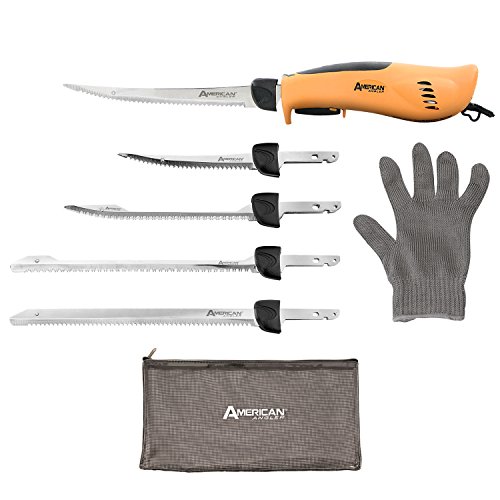
Wusthof brings German culinary precision to the dock with their Pro Fillet knife. While it is technically a kitchen knife, its performance on the water is exceptional, offering a level of sharpness and balance that most dedicated fishing knives simply cannot match.
This knife is an excellent choice for the angler who treats fish preparation as a culinary art. It is incredibly sharp, so it requires a steady hand and some experience to use safely. If you want a knife that offers the cleanest possible cuts, this is the premium option for your kit.
Victorinox Fibrox Pro Fillet Knife Utility

Victorinox is famous for the Swiss Army Knife, and their Fibrox line brings that same Swiss engineering to the fillet station. The handle is made from a proprietary material that provides a secure grip even in wet conditions, and the blade is famously easy to sharpen.
This is a fantastic "all-rounder" that bridges the gap between a kitchen tool and a field knife. It is lightweight, balanced, and holds an edge remarkably well through moderate use. It is a perfect choice for the angler who wants a reliable, high-quality knife without spending a fortune.
Mercer Culinary Genesis Fillet Knife Design
The Mercer Genesis is a standout for its ergonomic design and high-carbon, stain-resistant steel. It features a unique handle material that is designed to stay comfortable and non-slip, even during extended processing sessions.
I recommend this for anglers who suffer from hand fatigue when filleting large batches of fish. The balance point is perfectly placed, allowing for effortless control and smooth, sweeping cuts. It is a highly underrated tool that provides a premium feel at a very reasonable price point.
Selecting the Right Blade Length and Material
Choosing the right blade comes down to the size of the fish you catch most often. A 6-inch blade is excellent for panfish and trout, while an 8-inch or 9-inch blade is necessary for larger species like salmon, grouper, or snapper.
- High-Carbon Steel: Offers superior sharpness and edge retention but requires meticulous cleaning to prevent rust.
- Stainless Steel: Provides excellent corrosion resistance, making it the better choice for saltwater environments.
- Flexibility: A flexible blade is vital for following the contours of a fish’s ribcage, while a stiffer blade is better for heavy-duty tasks like removing skin or cutting through tougher scales.
Essential Maintenance for Fillet Knife Edges
A dull knife is a dangerous knife, as it requires more force to cut and is more likely to slip. You should incorporate a quick touch-up with a sharpening steel or a handheld ceramic sharpener before every major cleaning session.
Always rinse your knife with fresh water immediately after use, especially if you have been fishing in saltwater. Dry it thoroughly before storing it, and consider applying a light coat of food-grade mineral oil to the blade if you are storing it for an extended period. Proper maintenance ensures that your knife will last for many seasons to come.
Safe Filleting Techniques for Fresh Catch
Safety starts with a stable cutting surface, so always use a dedicated, slip-resistant fillet board. Keep your non-cutting hand well behind the blade at all times, and never force a cut; if the knife isn’t doing the work, it either needs sharpening or you are using the wrong technique.
When removing fillets, always cut away from your body and keep your fingers clear of the path of the blade. If you are working on a boat, ensure your footing is secure before you begin. By staying focused and keeping your tools sharp, you turn a chore into a safe and efficient ritual.
Selecting the perfect fillet knife is about matching your specific fishing environment and the types of species you target most frequently. Whether you prioritize corrosion resistance, edge sharpness, or ergonomic comfort, there is a tool here that will help you process your catch with ease. Keep your blades sharp, your workspace clean, and enjoy the reward of your hard work at the dinner table.
