

7 Best Life Vests For Paddleboarding For Added Safety
Stay safe on the water with our top 7 paddleboard life vests. We review the best options for comfort, buoyancy, and safety to ensure your next outing is secure.
There is nothing quite like the serenity of gliding across a glassy lake on a paddleboard until a sudden gust of wind or a hidden submerged log reminds you how quickly conditions can change. Investing in a quality life vest isn’t just about following the law; it’s about ensuring you have the buoyancy you need when the unexpected happens. These seven selections represent the gold standard for balancing comfort, mobility, and life-saving reliability on the water.
Disclosure: As an Amazon Associate, this site earns from qualifying purchases. Thank you!
Understanding USCG Life Vest Safety Ratings
The United States Coast Guard (USCG) recently transitioned to a new labeling system, moving away from the old Type I-V categories toward a more intuitive rating based on buoyancy and performance. You will now see labels indicating "Level 50," "Level 70," or "Level 100," which represent the amount of buoyancy in Newtons. For paddleboarding, most recreational users opt for Level 70, which is designed for near-shore use where a quick rescue is likely.
It is a common misconception that all life vests are created equal, but you must choose one that matches your specific environment. If you are paddling in calm, sheltered waters, a lower-profile vest is sufficient, but technical or fast-moving water requires higher buoyancy ratings. Always check the label to ensure the vest is USCG-approved for the specific activity you are undertaking.
Choosing the Right Fit for Paddleboarding
A life vest is only effective if you are actually wearing it, and comfort is the primary factor in whether you’ll keep it on all day. Paddleboarding requires a significant range of motion in your shoulders and torso, so look for a vest that doesn’t chafe or ride up while you are paddling. A properly fitted vest should feel snug but not restrictive; when you lift your arms, the vest shouldn’t slide up toward your ears.
When sizing, remember that a vest will feel different when you are standing on a board versus floating in the water. Always test the fit by tightening all straps—shoulders first, then sides—to ensure the vest remains secure. If you are between sizes, prioritize a snug fit, as a loose vest can be dangerous if you fall into the water and it shifts out of position.
Onyx M-16 Belt Pack: Best Inflatable Option
If you find traditional foam vests too bulky or hot for a summer day, the Onyx M-16 is a fantastic, low-profile alternative. This belt-style PFD stays out of your way while you paddle, offering zero interference with your stroke. You simply wear it around your waist, and if you end up in the water, you manually inflate it via a CO2 cartridge.


This is the perfect choice for experienced swimmers who paddle in calm, warm, and familiar waters. However, keep in mind that it requires you to be conscious and capable of pulling the cord to inflate it after a fall. Because it relies on manual activation, I recommend this only for confident paddlers who are comfortable in the water.
Astral V-Eight: Best High-Back Design
The Astral V-Eight is a masterclass in ergonomics, specifically engineered for the high seat backs found on some hybrid paddleboards or kayaks. The mesh lower back panel allows for excellent airflow, keeping you cool during long sessions in the heat. It feels less like a bulky safety device and more like a comfortable piece of athletic apparel.
The high-back design prevents the vest from pushing against your seat or board, which is a common complaint with standard foam vests. It provides consistent, reliable buoyancy without sacrificing your ability to rotate your torso. If you spend hours on the water and prioritize comfort above all else, this is the vest you want.
NRS Zen PFD: Best for Technical Waterways
When the water gets fast or the environment becomes technical, you need a vest that can handle the intensity. The NRS Zen is a rugged, high-performance PFD designed for river paddling and challenging conditions where durability is non-negotiable. It features a high-float design and a reinforced structure that protects your torso from impacts.
This isn’t a casual "day at the beach" vest; it is built for those who take their paddling seriously and expect to encounter obstacles. It includes plenty of storage for safety gear, such as a whistle or a knife. If you are planning to venture into rivers or complex environments, the Zen provides the security you need to paddle with confidence.
Stohlquist Fit: Best for Recreational Use
The Stohlquist Fit is the quintessential "everyman" vest, offering a straightforward, comfortable design that works for almost any casual paddler. It features an open-side construction that provides maximum ventilation, making it ideal for hot, sunny days on the lake. The adjustable buckles are easy to manipulate, even if your hands are wet or cold.
This vest is an excellent choice for beginners or families who need a reliable, high-quality PFD that fits a wide range of body types. It is simple, effective, and lacks the unnecessary bells and whistles that can drive up the price. If you want a dependable vest that just works every time you hit the water, the Stohlquist Fit is a solid, no-nonsense investment.
Mustang Survival MIT 100: Best Manual Vest
Stay safe on the water with the Mustang MIT 100 Convertible Inflatable PFD. This life jacket offers automatic or manual inflation for reliable buoyancy.
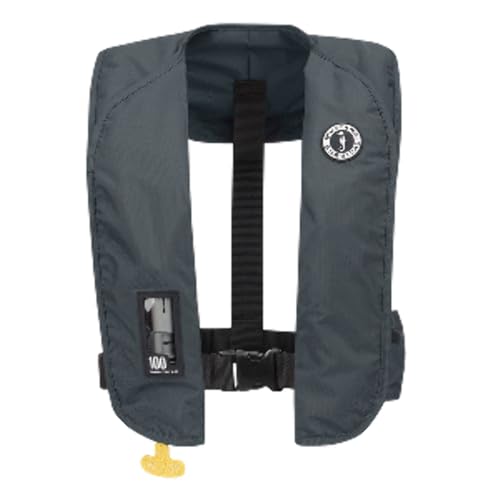
The Mustang Survival MIT 100 is a powerhouse in the inflatable category, utilizing Membrane Inflatable Technology to keep the profile incredibly slim. It is designed to be lightweight and unobtrusive, yet it provides 26 pounds of buoyancy when deployed—significantly more than many foam vests. The manual pull cord is easy to locate and operate in an emergency.
This vest is ideal for those who want the safety of a high-buoyancy device without the bulk of traditional foam. It is particularly well-suited for stand-up paddleboarders who want to keep their upper body completely free for movement. It is a premium piece of equipment that is well worth the cost for the peace of mind it provides.
O’Neill Superlite: Best Traditional Foam Vest
The O’Neill Superlite is a classic for a reason: it’s lightweight, durable, and provides immediate, reliable buoyancy without the need for inflation. Its segmented foam core allows the vest to move with your body, preventing the stiff, boxy feeling of older life jackets. The front-zip entry makes it incredibly easy to put on and take off.
This is the best option for those who prefer the "always-on" security of foam. You don’t have to worry about CO2 cartridges or manual deployment; it’s ready the moment you hit the water. If you want a simple, effective, and highly durable vest for general recreation, the Superlite is a reliable workhorse.
Kokatat Hustle R: Best for River Paddling
For the aggressive paddler, the Kokatat Hustle R is a specialized piece of gear designed to handle the rigors of whitewater and technical river features. It features a unique, side-entry design that ensures a snug, secure fit that won’t shift during a swim in turbulent water. The high-density foam offers superior protection against rocks and debris.
This vest is heavily featured with rescue-ready components, making it a favorite among river guides and serious enthusiasts. It is designed to stay in place no matter how hard you are working or how rough the water gets. If your paddleboarding adventures involve technical rivers or demanding currents, the Hustle R is the gold standard for safety and performance.
Proper Care and Maintenance for Your PFD
Your life vest is a critical piece of safety equipment, so treating it with care is non-negotiable. After every outing, rinse your vest thoroughly with fresh water to remove salt, sand, and algae that can degrade the fabric and buckles over time. Always hang your vest to dry in a shaded, well-ventilated area, avoiding direct sunlight, which can cause the material to become brittle and fade.
Periodically inspect your PFD for signs of wear, such as fraying straps, broken buckles, or thinning foam. If you use an inflatable vest, ensure you check the CO2 cylinder for corrosion and verify that the status indicator is green before every launch. By taking a few minutes to maintain your gear, you ensure that it will be ready to perform the moment you need it most.
Your life vest is the most important piece of gear you own, serving as your primary safety net whenever you step onto your board. By selecting a vest that fits your specific paddling style and environment, you turn a mandatory requirement into a comfortable, confidence-boosting asset. Stay safe, respect the water, and enjoy your next adventure with the peace of mind that comes from being properly prepared.
