

6 Best Camera Stabilization Gimbals For Kayaks For Vlogs
Capture steady kayak footage with our top 6 gimbal picks. We evaluate stabilization, waterproof ratings, and portability to help you vlog on the water easily.
Capturing the rhythmic dance of your paddle against the water shouldn’t result in shaky, unwatchable footage that makes your viewers seasick. Finding the right stabilization gear for your kayak is the difference between a professional-looking vlog and a collection of chaotic, blurry clips. This guide will help you navigate the specific demands of aquatic filming so you can focus on the adventure while your gear handles the motion.
Disclosure: As an Amazon Associate, this site earns from qualifying purchases. Thank you!
DJI Osmo Mobile 6: Best Stability for Kayak Vlogs
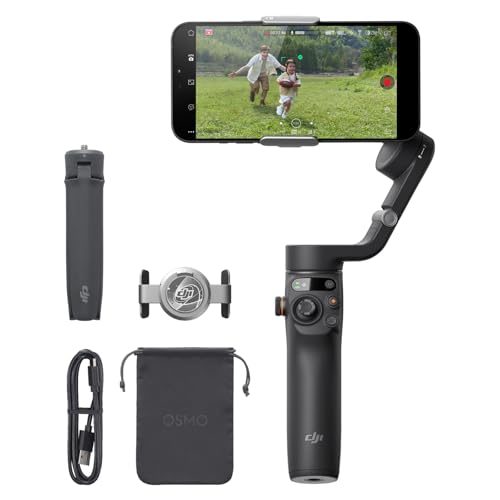

The DJI Osmo Mobile 6 is the gold standard for kayakers who prioritize ease of use and rock-solid stabilization. Its intuitive design allows you to snap your smartphone in and out quickly, which is vital when you need to stow your gear to navigate rapids or sudden gusts of wind. The ActiveTrack 5.0 feature is particularly impressive on the water, as it keeps you locked in the frame even when the kayak is pitching or rolling in choppy conditions.
If you are a solo vlogger who needs a "set it and forget it" solution, this is your best bet. It isn’t the most rugged device on the market, so you must be diligent about keeping it away from direct splashes. However, for the sheer quality of the footage and the reliability of the software, it remains the top recommendation for most recreational kayakers.
Insta360 Flow: Top Choice for Dynamic Tracking
When you are paddling through winding rivers, you need a gimbal that understands movement better than the rest. The Insta360 Flow excels here because of its 360-degree tracking capabilities, ensuring that even if your kayak spins or you change your paddling direction, the camera stays focused on you. It is exceptionally portable, folding down to a size that easily fits into a kayak’s dry bag or a small hatch.
This gimbal is perfect for creators who want to document their journey from multiple angles without constantly fiddling with settings. The built-in selfie stick and tripod legs add a layer of versatility that few other gimbals provide. While it lacks the heavy-duty weather resistance of dedicated action cams, its smart tracking features make it an essential tool for dynamic, high-energy vlogs.
Hohem iSteady M6: Best for Heavy-Duty Cameras

If your vlogging setup involves a heavier smartphone with an oversized lens attachment or a specialized filter, the Hohem iSteady M6 is the workhorse you need. It features a high-payload motor that prevents the "drifting" often seen when lighter gimbals struggle under the weight of extra gear. Its robust build quality gives you more confidence when mounting it on a kayak deck mount where vibrations are constant.
The iSteady M6 is clearly designed for the creator who refuses to compromise on image quality and needs a gimbal that can handle a professional-grade mobile rig. It is heavier and bulkier than the competition, so it’s best suited for larger kayaks with stable mounting points. If you are serious about cinematic, high-production-value water content, this is the hardware you want.
Zhiyun Smooth 5S: Superior Professional Control

The Zhiyun Smooth 5S is for the vlogger who wants to treat their kayak like a mobile film studio. With a dedicated control panel that allows you to adjust focus, zoom, and exposure on the fly, you have total command over your shot without needing to touch your phone screen. This tactile control is a game-changer when your hands are wet or you are wearing gloves.
This gimbal is not for the casual hobbyist; it is a sophisticated tool that rewards users who take the time to learn its manual settings. Its motors are powerful and highly responsive, providing a level of smoothness that is almost hypnotic. If you want to elevate your vlogs with professional-grade camera moves, the Smooth 5S is the clear winner for your gear bag.
DJI Osmo Action 4: Best Built-in Stabilization
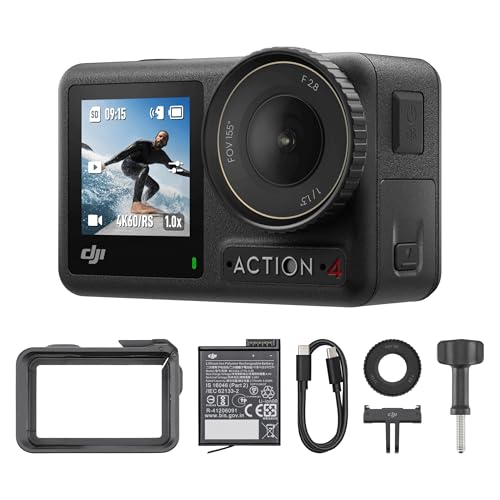
Sometimes, the best gimbal is the one you don’t have to worry about at all. The DJI Osmo Action 4 isn’t a traditional gimbal, but its RockSteady 3.0 stabilization is so effective that it renders mechanical gimbals unnecessary for most kayak vlogs. Because it is natively waterproof, you can mount it to the bow or stern without fearing the occasional wave or spray.
For the kayaker who wants to focus entirely on the water and not on protecting delicate electronics, this is the ultimate solution. You lose the panning and tilting features of a motorized gimbal, but you gain absolute peace of mind. If your priority is safety and durability in harsh environments, skip the gimbal and go with this action camera.
Insta360 Flow Pro: Best for AI-Powered Tracking

The Insta360 Flow Pro takes the convenience of the standard Flow and upgrades it with Apple DockKit technology for seamless, 360-degree subject tracking. In a kayak, where you are constantly moving and shifting, this AI-driven tracking is incredibly reliable. It follows your movement with a precision that makes it look like you have a dedicated camera operator on board.
This is the right choice for the tech-savvy vlogger who wants the most advanced tracking software currently available. It is incredibly user-friendly, meaning you spend less time configuring your shot and more time paddling. If you want high-tech, automated tracking that keeps you perfectly centered during your adventures, the Flow Pro is worth every penny.
Factors for Choosing Your Kayak Camera Mounts
Choosing a gimbal is only half the battle; how you mount it determines the stability of your shot. Consider these three factors before heading out:
- Vibration Dampening: Look for mounts that incorporate rubber gaskets or shock-absorbing balls to isolate the gimbal from the hull’s vibrations.
- Mounting Location: Bow mounts provide a great "follow" perspective, while stern mounts capture the paddler’s face and the scenery ahead.
- Safety Leashes: Always secure your gimbal with a secondary lanyard to your kayak; if the mount fails, you don’t want your expensive gear sinking to the bottom.
Protecting Your Gimbal From Water and Spray
Most smartphone gimbals are not waterproof, making them highly vulnerable in a kayak environment. Even on calm days, paddle drip and spray are constant threats to the sensitive motors. Use a high-quality, water-resistant pouch or a clear protective skin to shield the base of the gimbal while leaving the camera lens and screen exposed.
After every trip, wipe down your gimbal with a slightly damp microfiber cloth to remove salt or grit, which can seize up the motors over time. Never store your gimbal in a sealed, damp dry bag. Instead, let it air dry completely in a well-ventilated area to prevent internal corrosion.
Mounting Techniques for Stable Kayak Footage
Achieving stable footage starts with the physical connection between the gimbal and the kayak. A suction cup mount can work on smooth, clean surfaces, but a dedicated track-mount system is far more secure for long-term use. Ensure your mounting point is as close to the center of gravity as possible to minimize the impact of the kayak’s rocking motion.
Avoid mounting your gimbal too high, as a tall setup acts like a lever, magnifying every small movement of the boat. Keep your rig low and tight to the deck to create a more stable center of gravity. Remember that the lower the camera, the more dramatic and immersive your water-level shots will look.
Essential Gear for Professional Water Vlogs
Beyond the gimbal, a few key pieces of gear will significantly improve your production quality. A high-quality external microphone with a "deadcat" wind muff is non-negotiable, as wind noise is the fastest way to ruin a water vlog. You should also carry a portable power bank, as gimbal motors and high-frame-rate recording will drain your phone battery quickly.

Finally, consider using a neutral density (ND) filter on your camera lens. These filters reduce the amount of light hitting the sensor, allowing you to use a slower shutter speed for that smooth, cinematic motion blur that makes water look professional. With this combination of stabilization, audio, and light control, your kayak vlogs will stand out from the crowd.
Investing in the right stabilization gear is an essential step toward turning your kayak trips into compelling visual stories. Whether you choose the AI-driven precision of the Insta360 Flow Pro or the rugged reliability of the DJI Osmo Action 4, the key is to prioritize your setup based on your specific water conditions. Get your gear sorted, secure it safely, and get back out on the water to capture your next great adventure.
