

6 Best Tripod Stands For Surf Filming For Beach Use
Find the ideal tripod for surf filming. We review 6 durable, sand-resistant stands that offer stability and height for capturing perfect beach action shots.
Standing on a wind-swept beach with a long lens, you quickly realize that the ocean is the most unforgiving environment for precision equipment. A stable platform is the difference between a crisp, professional surf sequence and a blurry, frustrating mess of motion. Finding the right tripod means balancing the need for absolute rigidity against the reality of hauling gear across soft, shifting dunes.
Disclosure: As an Amazon Associate, this site earns from qualifying purchases. Thank you!
Choosing the Right Tripod for Sandy Environments
When scouting a tripod for the coast, your primary enemies are fine-grain sand and corrosive salt spray. Standard tripods often feature twist-locks that act like a vacuum for grit, grinding down the internal seals until the legs seize up entirely. You need a setup that prioritizes sealed leg locks and materials that won’t oxidize the moment they touch sea air.
Weight is the secondary factor, but it’s a double-edged sword. A featherweight stand will vibrate uncontrollably in the coastal breeze, ruining your long-exposure shots or steady pans. You want enough mass to stay planted, but enough portability to hike to that hidden point break without exhausting yourself before the first set rolls in.
Manfrotto 055 Carbon Fiber: Best for Stability


If you are shooting with a heavy 600mm prime lens, the Manfrotto 055 is your gold standard for rock-solid stability. Its robust, oversized leg sections minimize vibrations even when the wind is howling across the shoreline. The center column’s horizontal mode is a game-changer for getting your camera low to the wet sand for those dramatic, immersive water-level angles.
While it isn’t the lightest option on the market, the trade-off for that rigidity is worth it when you are tracking a surfer through a high-speed barrel. This tripod is designed for the serious shooter who values a steady frame over minimalist packability. If you prioritize performance and image sharpness above all else, this is your primary tool.
Gitzo Mountaineer Series: Top Choice for Durability
The Gitzo Mountaineer is the "buy it once, keep it forever" option for surf photographers who spend more time on the beach than in the office. These tripods utilize Carbon eXact tubing, which provides incredible stiffness-to-weight ratios that outperform almost anything else in the field. The G-Lock Ultra leg locks are specifically engineered to keep dust and sand out of the internal mechanisms, making them exceptionally resilient in grit-heavy environments.
This is a premium investment, but it is built to survive the harsh realities of saltwater spray and abrasive sand. It is the perfect choice for the professional who needs a tripod that won’t fail during a critical swell. If you want a reliable workhorse that will handle years of abuse without needing constant repair, the Mountaineer is the definitive choice.
Benro Mach3 Series 2: Best Value for Surf Photogs

Not everyone has the budget for top-tier professional gear, and the Benro Mach3 Series 2 offers an impressive balance of features without the luxury price tag. It provides a sturdy, reliable platform that handles the demands of surf photography surprisingly well. The magnesium alloy chassis keeps the weight manageable, while the rubberized leg locks offer a decent barrier against the elements.
This tripod is the sweet spot for the enthusiast who wants to capture high-quality surf footage without breaking the bank. It performs reliably in most conditions and offers enough stability for moderate telephoto work. If you are looking for a capable, no-nonsense tripod that gets the job done at a fair price, this is the one to pick.
Peak Design Travel Tripod: Best for Portability
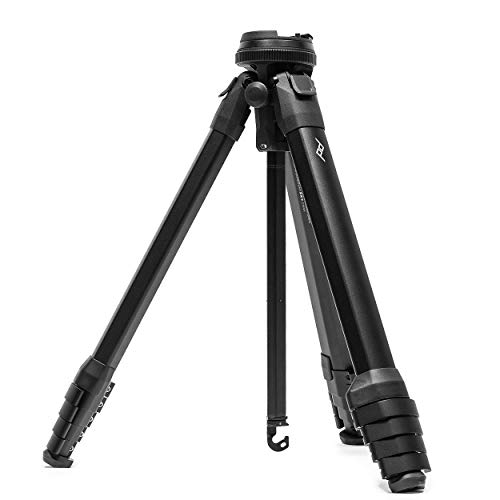
For the surf photographer who travels light—perhaps by bike or on a long hike to a secluded reef break—the Peak Design Travel Tripod is a revelation. Its unique design collapses down to the diameter of a water bottle, making it incredibly easy to strap to a backpack. Despite its compact footprint, it deploys rapidly, which is essential when a sudden set of waves starts pumping.
The trade-off for this extreme portability is that it can be slightly less stable in extreme wind compared to heavier, traditional tripods. However, for the mobile creator who needs to be agile, the convenience is unmatched. This tripod is ideal for the shooter who values mobility and speed, provided you use the integrated hook to hang your gear bag for extra ballast in windy conditions.
Vanguard Alta Pro 263AB: Best Versatile Option

The Vanguard Alta Pro 263AB is famous for its Multi-Angle Central Column, which allows you to move the camera into almost any position imaginable. This is incredibly useful on the beach when you are trying to frame a shot around obstacles like driftwood or uneven rocky outcrops. It offers a great mix of height and flexibility, allowing you to get high for a clear line of sight or low for a dramatic perspective.
This tripod is perfect for the creative surf filmmaker who likes to experiment with unique angles and compositions. It is rugged enough to handle the beach, and the versatility of the center column is a feature you will find yourself using constantly. If your style of filming requires dynamic, non-traditional framing, this is a highly recommended choice.
Sirui W-2204 Waterproof: Best for Saltwater Use
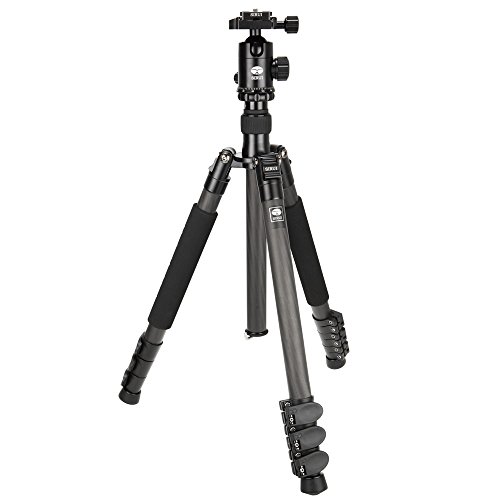
The Sirui W-2204 is specifically engineered with a "waterproof" sealing system that prevents water, sand, and dust from entering the leg tubes. This is a massive advantage for surf photographers who frequently find themselves setting up in the wash zone or dealing with heavy sea spray. The legs are made of high-quality carbon fiber, ensuring they remain lightweight and corrosion-resistant.
This tripod is designed for the shooter who isn’t afraid to get their gear wet. It is the most practical choice for those who work in environments where salt air and water are constant threats to equipment longevity. If you want a tripod that requires less maintenance after a shoot in the surf, the Sirui W-2204 is the superior option.
Essential Maintenance Tips for Beach Tripods
- Rinse immediately: Always rinse your tripod with fresh, non-pressurized water after every beach session to remove salt crystals.
- Extend and dry: Fully extend the legs and allow them to air dry in the shade before collapsing them for storage.
- Lubricate locks: Periodically clean the leg locks with a soft brush and apply a silicone-based lubricant to keep the movement smooth.
- Avoid grease: Never use heavy grease on the legs, as it acts as a magnet for sand and grit, turning your tripod into a grinding machine.
Protecting Your Gear From Salt and Sand Damage
Salt is a silent killer for camera gear, as it creates an acidic environment that eats through metal and electronics. Always keep your tripod bag closed when not in use to prevent sand from blowing into the joints. If you are shooting in high winds, consider using a camera rain cover to keep the salt spray off your body and lens mount.
Beyond the tripod, ensure your tripod head is also rated for outdoor use. A ball head with exposed gears will suffer quickly in the sand; a sealed fluid head is often a better choice for surf videography. By treating your gear with consistent care, you extend its lifespan and ensure it stays reliable for years of surf sessions.
Optimal Angles for Capturing Surf Action Shots
To capture the best surf action, you need to think about the relationship between the wave and the shore. A low angle—placing your camera just inches from the wet sand—makes the waves look significantly larger and more powerful. This perspective emphasizes the height of the lip and the intensity of the barrel, creating a more professional look.
Alternatively, shooting from a slightly elevated position allows you to see the "face" of the wave more clearly, which is vital for tracking maneuvers. Use your tripod to lock in a horizontal plane so your horizon line stays perfectly level as the action unfolds. Consistency in your height and angle will define your unique visual style in the surf community.
Mastering surf photography is as much about managing your environment as it is about timing the perfect wave. By investing in a tripod that can handle the grit and moisture of the beach, you remove the biggest technical hurdle to your creative process. Choose the gear that fits your specific workflow, keep it clean, and you will be ready to capture the next big swell with total confidence.
