6 Best Rip Rap Stones For Bank Stabilization Projects
Selecting the right rip rap is vital for erosion control. Explore the 6 best stone types for bank stabilization to ensure long-term durability and protection.
There is nothing more disheartening than watching a beautiful shoreline slowly surrender to the relentless pull of erosion. Whether you are protecting a private lakefront or managing a high-traffic creek, choosing the right stone is the difference between a permanent fix and a recurring headache. Let’s break down the best materials to keep your bank stable and your waterfront thriving.
Disclosure: As an Amazon Associate, this site earns from qualifying purchases. Thank you!
Understanding Rip Rap for Shoreline Stabilization
Rip rap is essentially nature’s armor, consisting of large, durable stones placed along a shoreline to dissipate wave energy and prevent soil displacement. By creating a heavy, interlocking layer, you break up the force of water before it can scour away the underlying earth. It is a time-tested engineering solution that works with the landscape rather than fighting against it.
Beyond mere erosion control, a well-engineered rip rap installation acts as a buffer for the entire aquatic ecosystem. It provides essential crevices for small fish and macroinvertebrates, which in turn supports a healthier food web for the larger species we love to fish for. When installed correctly, it transforms a crumbling, muddy edge into a stable, productive habitat.
Factors for Selecting Durable Rip Rap Materials
Before you haul in tons of rock, you must evaluate the energy level of your specific water body. High-velocity currents or heavy boat wakes require denser, angular stones that lock together, while calmer ponds might only need medium-sized fieldstone. Always consider the slope of your bank, as steeper grades demand larger, heavier stone to prevent sliding.
Durability is another non-negotiable factor, specifically regarding the "freeze-thaw" cycle. Some softer rocks will break down into silt over a few years, essentially defeating the purpose of your project. Always prioritize stones with high density and low porosity to ensure they survive the harsh seasonal shifts in your climate.
Angular Granite Rocks for High-Energy Waterways
If your shoreline faces consistent, punishing wave action or fast-moving currents, angular granite is your gold standard. Its sharp, jagged edges allow the stones to lock together into a rigid, impenetrable mat that refuses to shift under pressure. Because granite is exceptionally hard and non-porous, it won’t degrade or shatter during intense winter freezes.
I recommend granite for anyone dealing with high-traffic boating channels or steep, exposed embankments. It is undoubtedly the most expensive option on this list, but its longevity makes it the most cost-effective choice for high-energy environments. If you want a "set it and forget it" solution for a challenging site, granite is the rock you want.
Limestone Rip Rap for Natural Shoreline Blending
Limestone is a fantastic choice if you want your stabilization project to disappear into the natural landscape. It has a softer, more muted color palette that ages beautifully, eventually taking on a weathered, organic look that granite simply cannot match. It’s also generally easier to source locally, which can significantly reduce your delivery costs.
However, be aware that limestone is softer than granite and can dissolve slightly over time if your water has a low pH. It is perfect for small residential ponds or slow-moving streams where aesthetic harmony is just as important as structural integrity. If you are looking for a cost-effective, visually pleasing barrier for a low-energy site, limestone is a solid, reliable choice.
Basalt Stones for Superior Erosion Resistance
Basalt is the heavyweight champion of the rock world, forged from volcanic activity and possessing incredible density. It is incredibly heavy for its size, meaning you get more "bite" against the water with less total volume. Its dark, charcoal aesthetic also provides a sharp, modern contrast against lush green shoreline vegetation.
This stone is the ideal pick for sites where you have limited space but need maximum protection. Because it is so dense, it handles high-impact water forces without shifting or cracking. If you are dealing with a difficult, high-erosion site and want a material that is virtually indestructible, basalt is worth every penny.
River Run Cobble for Aesthetic Bank Protection
River run cobble is characterized by its smooth, rounded edges, which provide a softer look compared to the jagged appearance of quarried stone. While it doesn’t "lock" together as tightly as angular granite, it is excellent for gentle slopes or areas where you want a beach-like transition. It’s a favorite for creating natural-looking "coves" along a larger property.
You should choose cobble if your primary goal is a natural, inviting shoreline that people can walk or lounge on. It isn’t the best choice for steep, high-energy banks, as the rounded shapes can roll if subjected to heavy wake. Use it where you want to emphasize beauty and accessibility over brute-force structural defense.
Fieldstone Rip Rap for Low-Impact Slope Projects
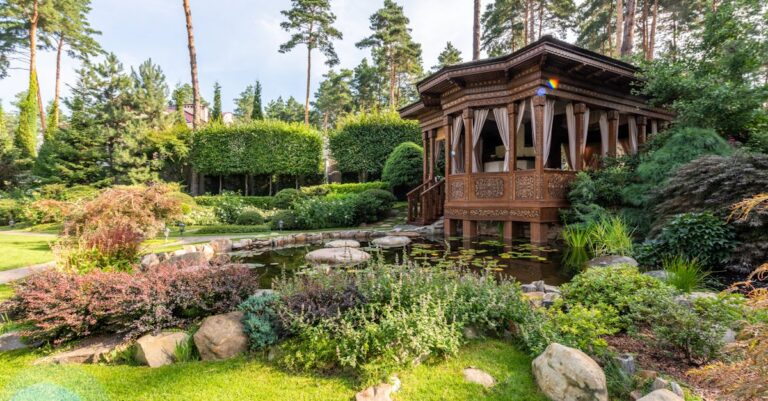
Fieldstone is the chameleon of the landscaping world, offering a rustic, irregular appearance that looks like it has been there for centuries. Because these stones are collected from the surface rather than blasted from a quarry, they feature unique shapes and natural color variations. They are perfect for smaller, residential projects where you want to avoid the "industrial" look of uniform, quarried rock.
I suggest fieldstone for projects where the bank slope is gradual and the water energy is minimal. It provides enough weight to hold back soil while maintaining a soft, garden-like aesthetic. If your goal is to stabilize a small garden pond or a gentle stream bank, fieldstone is the most charming and effective material available.
Sandstone Blocks for Structured Bank Reinforcement
Sandstone offers a unique, layered look that can be used to create formal, tiered banks. Because it is often available in large, somewhat rectangular blocks, it is much easier to stack and organize than irregular fieldstone. It brings a sense of order and architectural design to a property that feels far more intentional than a simple pile of rocks.
This material is best suited for those who want to reclaim space on their bank by building small, low-profile retaining walls. It is softer than granite, so it may wear down over decades, but its structural versatility is unmatched. If you want a clean, structured appearance that allows you to level out a sloped area, sandstone blocks are the way to go.
Proper Installation Techniques for Rip Rap Layers
The secret to a long-lasting rip rap project isn’t just the stone; it’s what happens underneath. You must install a high-quality geotextile fabric layer between the soil and the rocks to prevent the earth from washing through the gaps. Without this filter layer, the soil will eventually migrate out, causing your beautiful rock wall to sink into the mud.
- Excavate: Cut a "toe trench" at the base of the bank to anchor the bottom row of stones.
- Filter: Lay down a heavy-duty, permeable geotextile fabric.
- Layer: Place the largest stones at the bottom for stability, working your way up.
- Interlock: Ensure each stone is placed to touch its neighbors, creating a tight, cohesive mat.
Maintenance Tips for Long-Term Shoreline Health
Even the best-laid rip rap needs an occasional check-up, especially after major storm events or ice-out periods. Walk your shoreline once a year to look for "slumping," which indicates that the underlying soil is shifting. If you spot a gap where soil is visible, simply shift a few rocks or add a new piece to close the breach before it grows.
Keep an eye on invasive vegetation as well, as aggressive root systems can pry stones apart over time. While a few native grasses are great for holding the bank together, keep the deep-rooted woody shrubs away from your primary rock wall. A little proactive maintenance ensures your shoreline stays stable, secure, and beautiful for years to come.
Investing in the right rip rap is about protecting your property and preserving the natural beauty of the water you love. By matching the stone type to the specific energy of your shoreline, you create a lasting barrier that serves both your needs and the environment. Choose wisely, install carefully, and enjoy the peace of mind that comes with a secure, stable bank.