7 Best Lake Water Testing Apps For Data Logging
Monitor lake health with ease. Our guide reviews the 7 best water testing apps for accurate data logging, streamlining your environmental tracking efforts.
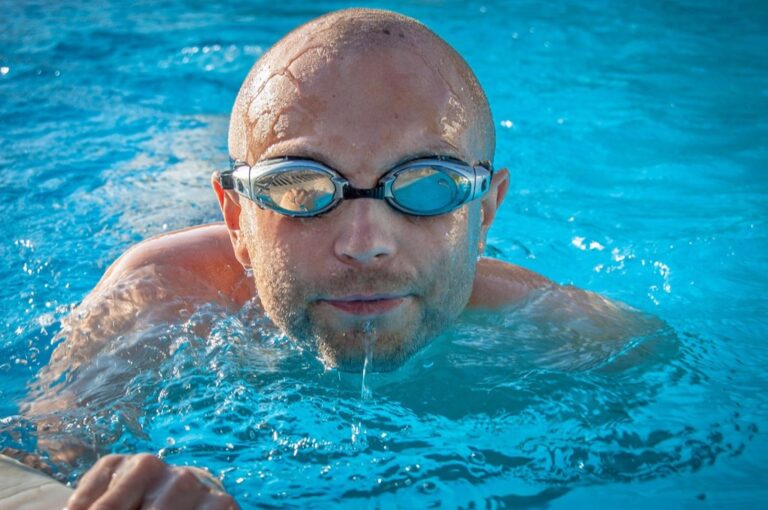
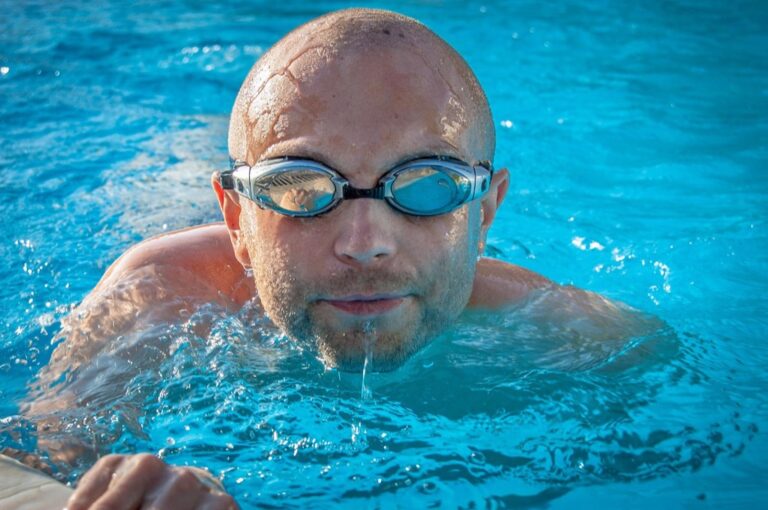
There is nothing quite like the feeling of diving into a crystal-clear lake on a sweltering July afternoon, but what lies beneath the surface isn’t always visible to the naked eye. Tracking your water’s health is the single most effective way to ensure your family’s safety and protect the local ecosystem from invasive blooms. By utilizing modern digital logging tools, you can transform sporadic guesswork into a reliable, long-term record of environmental stewardship.
Disclosure: As an Amazon Associate, this site earns from qualifying purchases. Thank you!
Why Lake Water Quality Monitoring Matters Today
Monitoring lake water isn’t just about avoiding a nasty skin rash or an upset stomach after a day of swimming. It is about understanding the delicate balance of an ecosystem that reacts to everything from heavy rainfall and agricultural runoff to rising summer temperatures. When you track metrics like pH, turbidity, and dissolved oxygen, you become a guardian of your local recreational space.
Consistent logging allows you to identify trends before they turn into full-blown environmental crises, such as toxic blue-green algae blooms. By capturing data over several seasons, you can differentiate between normal fluctuations and genuine red flags that require professional intervention. It turns your recreational time into a meaningful contribution to the health of the lake.
LaMotte WaterLink Solutions for Precise Data
If you are serious about professional-grade accuracy, LaMotte’s WaterLink Solutions is the gold standard for data-driven enthusiasts. This platform integrates seamlessly with their high-end testing hardware, taking the human error out of colorimetric interpretation. It is the perfect choice for those who manage private docks or small community beaches where precision is non-negotiable.
While the learning curve is steeper than a standard consumer app, the depth of the reporting is unmatched. You get detailed historical charts that are invaluable for spotting long-term water degradation. If you want laboratory-level insights at your fingertips and don’t mind a more technical interface, this is the definitive tool for your kit.
Hach Mobile Sensor App for Pro Lake Testing
Hach is a powerhouse in the professional water analysis industry, and their mobile app brings that expertise directly to the recreational user. It is built for those who use advanced digital sensors to measure complex variables like conductivity and specific ion concentrations. This app is designed for the power user who treats lake health with the same rigor as a professional environmental scientist.
The interface is clean and highly functional, focusing on rapid data synchronization with your sensor hardware. It excels at handling large datasets, making it the best option for those monitoring multiple locations around a large lake. If you are serious about scientific accuracy and already invest in high-quality hardware, Hach is the logical, high-performance choice.
PoolMath App for Simplified Chemical Logging
Don’t let the name fool you; while PoolMath was designed for swimming pools, its robust logging features are surprisingly effective for small, treated lake enclosures or private ponds. It is incredibly user-friendly and perfect for the casual user who wants to track basic chemicals like chlorine or pH without feeling overwhelmed by complex data sets. Its strength lies in its simplicity and intuitive dashboard.
The app shines when you need to calculate dosage adjustments based on the volume of your water body. While it lacks the advanced ecological tracking of dedicated lake apps, it is unbeatable for basic chemical maintenance. If you want a straightforward, stress-free way to log your weekly tests, this is your best bet.
Water Rangers App for Community Data Sharing
Water Rangers is built for the citizen scientist who believes that lake health is a communal effort. It allows you to log your findings and share them instantly with a network of other lake enthusiasts, creating a crowdsourced map of water quality. This is the ultimate tool for those who care about the broader impact of their local lake on the surrounding watershed.
The social aspect is its greatest strength, as it encourages collective action and awareness. You can see what others are reporting nearby, which helps identify regional patterns that might be affecting your specific area. If you are passionate about community engagement and environmental activism, Water Rangers is the platform that aligns perfectly with your values.
MyPoolApp for Tracking Seasonal Lake Metrics
MyPoolApp offers a surprisingly versatile platform for those who need to manage seasonal changes in water quality. Its strength is its calendar-based interface, which helps you visualize how your water metrics shift from the early spring thaw through the height of summer. It is particularly helpful for tracking temperature-dependent variables that fluctuate as the season progresses.
The app is highly visual, using color-coded graphs to show you exactly when your water quality dips or peaks throughout the year. It’s an excellent choice for the organized recreationalist who prefers a structured, time-based approach to data management. If you want to keep a tidy, year-over-year record of your lake’s seasonal performance, this app will serve you well.
Aquatest Pro for Rapid Field Data Recording
When you are out on the water, you don’t want to spend half your time fiddling with a complex interface. Aquatest Pro is designed for speed, allowing you to record field results in seconds so you can get back to swimming or boating. It is optimized for mobile devices, ensuring that even under bright, direct sunlight, your data entry remains efficient.
The app prioritizes portability and quick logging, making it ideal for those who test at multiple points around a lake in a single outing. It doesn’t offer the complex data modeling of other apps, but it wins on pure utility and ease of use. For the busy recreationalist who needs a quick, reliable digital notepad for their water tests, this is the most practical solution.
TestMyWater App for Easy Log Management
TestMyWater is the "no-nonsense" option for people who want a digital logbook without the bells and whistles. It is designed to be a simple, reliable repository for your test results, providing clear history tracking without the clutter. It is ideal for those who value privacy and simplicity, as it focuses strictly on your personal data logs.
The interface is uncluttered and very easy to navigate, even for those who aren’t particularly tech-savvy. It provides just enough historical context to be useful without overwhelming you with unnecessary analytics. If you just want a clean, organized place to store your results and review them later, TestMyWater is a solid, reliable companion.
How to Interpret Your Lake Water Test Results
Interpreting your data is about understanding the "story" behind the numbers. A single high reading of phosphorus might be a one-time anomaly, but a consistent upward trend is a clear signal of nutrient loading that could lead to algae issues. Always look at your data as a sequence of events rather than isolated snapshots.
When your results deviate from the norm, consider the environmental context of the previous 48 hours. Did you have a heavy rainstorm? Is the water temperature unusually high? By cross-referencing your logs with local weather patterns, you can often pinpoint the cause of a fluctuation and take proactive, informed steps to mitigate it.
Best Practices for Consistent Water Logging
The secret to useful data is consistency, not just frequency. Try to test your water at the same time of day and from the same location whenever possible to ensure your data points are comparable. This reduces the number of variables, allowing you to see the true health of the lake rather than just the impact of the time of day.
- Always rinse your testing vials with the lake water you are about to test before taking your sample.
- Keep your testing kit in a cool, dark place to prevent chemical degradation.
- Document environmental conditions like water clarity and recent rainfall alongside your chemical data.
- Review your logs monthly to identify potential issues before they become visible to the naked eye.
Taking the time to monitor your lake water is a rewarding practice that ensures your favorite swimming spot remains safe and vibrant for years to come. By choosing the app that matches your specific needs—whether it’s community sharing or professional-grade precision—you are taking a proactive step in protecting our precious water resources. Dive in with confidence, stay consistent with your logging, and enjoy the peace of mind that comes with being a truly informed water enthusiast.