

6 Best Adaptive Sailing Ropes For Durability On The Water
Discover the top 6 adaptive sailing ropes built for saltwater durability. Learn which materials offer the best strength, grip, and longevity for your boat.
Sailing is a sport of physics and tactile feedback, but for adaptive sailors, the connection between hand and line is the most critical link on the boat. Choosing the right rope isn’t just about strength; it’s about ensuring that every adjustment is manageable, safe, and intuitive. These six specialized lines provide the reliability needed to navigate the water with total confidence.
Disclosure: As an Amazon Associate, this site earns from qualifying purchases. Thank you!
Why Adaptive Sailing Requires Specialized Ropes
Adaptive sailing often involves unique rigging configurations, such as redirected control lines or custom handles, which place different stresses on your gear. Standard lines might become slick when wet, hard on the hands, or prone to excessive stretch, making it difficult to maintain sail trim. Specialized ropes are designed to solve these ergonomic challenges while maintaining the high-load capacity required for competitive sailing.
When you are managing lines from a seated position or using adaptive aids, the texture and handling characteristics of the rope become as important as its breaking strength. A line that is too stiff can be impossible to cleat effectively, while one that is too soft might jam in blocks. By selecting materials engineered for consistent friction and minimal creep, you ensure that your boat responds exactly when—and how—you intend.
Understanding Rope Materials for Saltwater Use
Saltwater is notoriously harsh on synthetic fibers, acting as both an abrasive agent and a chemical catalyst for degradation. When selecting ropes, look for materials like Dyneema, polyester, or high-modulus polyethylene (HMPE). These materials resist the salt-crystal buildup that turns standard nylon lines into stiff, sandpaper-like cables over a single season.
Beyond material choice, the construction of the rope—specifically the cover-to-core ratio—dictates longevity. A high-quality cover protects the load-bearing core from UV rays, which are amplified by the reflective surface of the water. Investing in marine-grade ropes means you spend less time replacing gear and more time focused on your race or recreational cruise.
Marlow Excel Pro: Best High-Performance Choice
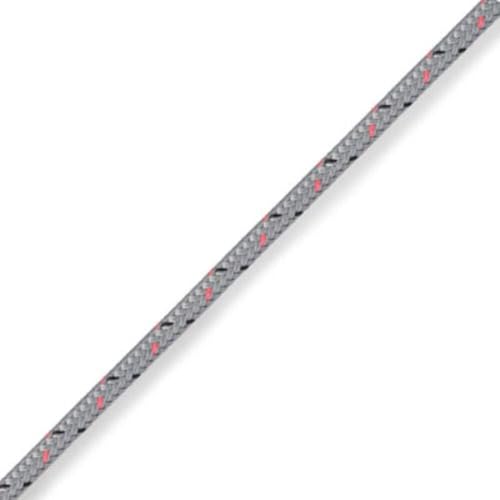

If you are looking for a line that balances minimal stretch with excellent handling, the Marlow Excel Pro is your go-to. It features a high-quality polyester cover that feels soft in the hand but remains incredibly durable under heavy loads. It is the perfect choice for sailors who need a versatile halyard or sheet that won’t lose its shape after a long day of tacking.
This rope is particularly well-suited for adaptive sailors who need a line that runs smoothly through blocks without binding. Because it is so consistent, you can rely on it to hold its position in a cleat without slipping. If you want a professional-grade line that feels like an extension of your own reach, the Excel Pro is an easy recommendation.
New England Ropes Sta-Set: Top Durability Pick

For those who prioritize longevity and a classic feel, the New England Ropes Sta-Set is the industry benchmark. It is a double-braided polyester line that is famous for its ability to stay round and flexible even after years of exposure to salt and sun. It is the ultimate "set it and forget it" rope for control lines that get heavy, daily use.
I recommend Sta-Set for sailors who want a reliable, no-nonsense line that works well with almost any hardware setup. While it doesn’t have the high-tech, low-stretch properties of racing-specific lines, its durability is unmatched in its class. If you are outfitting a boat for long-term reliability rather than pure speed, this is the rope for you.
Samson MFP Floating Line for Adaptive Handling

Safety on the water often means keeping lines organized and out of the way, which is where the Samson MFP Floating Line shines. Because it is designed to float, it is far less likely to get tangled around your rudder, keel, or adaptive seating gear. This is a massive advantage for sailors who need to keep their cockpit clear and clutter-free.
This line is softer than traditional polyester, making it very comfortable to handle during repetitive adjustments. While it is not intended for high-tension applications like main halyards, it is perfect for control lines, preventers, or safety tethers. If you struggle with line management or want to minimize the risk of entanglements, this floating line is a smart, practical addition to your boat.
Yale Cordage Crystaline: Best Grip Selection
The Yale Cordage Crystaline stands out because of its unique construction, which provides an exceptional grip in wet conditions. If you find that other lines become slippery or difficult to pull when covered in spray, the textured surface of this rope offers the traction you need. It is designed to provide maximum control with minimal physical effort.
This is an excellent option for adaptive sailors who use manual grip aids or who simply need a line that is easier to hold onto. The material is robust and resists flattening, meaning it maintains its grip properties throughout its lifespan. If you prioritize tactile feedback and ease of handling above all else, the Crystaline is the best choice in the market.
LIROS Magic Pro: Premium Tension Management
The LIROS Magic Pro is a high-tech solution for sailors who demand precision in their tension management. It utilizes a high-strength core that resists stretching, ensuring that your sail settings remain locked in even as wind pressure changes. It is a premium product, but the performance gains in sail control are immediate and noticeable.
This rope is ideal for competitive sailors who need to make micro-adjustments to their rig. Because it is lightweight and low-friction, it is easier to pull through complex block systems, reducing the physical strain required to trim the sails. If you are looking to elevate your boat’s performance and make your rigging more responsive, the Magic Pro is a worthy investment.
Gottifredi Maffioli Swiftcord for Precision
When you need a thin, high-strength line that won’t jam in your cleats, the Gottifredi Maffioli Swiftcord is the gold standard. It is incredibly lightweight and designed specifically for high-performance control lines where speed and precision are paramount. It feels almost like a string, yet it possesses the strength of a much thicker rope.
I suggest this for sailors who have optimized their deck layout and need a line that performs flawlessly under high tension. It is particularly effective for fine-tuning systems where you need to move the line quickly and accurately. If you are chasing performance and want gear that matches the sophistication of your boat, the Swiftcord is the clear winner.
Selecting Rope Diameters for Adaptive Systems
Choosing the correct diameter is a balance between hand comfort and mechanical fit. A rope that is too thin can be difficult to grip, while one that is too thick may create too much friction in your blocks and cleats. Always check your boat’s hardware specifications to ensure the line diameter falls within the recommended range for your specific blocks and clutches.
- Under 6mm: Best for fine-tuning and lightweight control lines.
- 6mm to 8mm: The "sweet spot" for most sheets and halyards on smaller adaptive boats.
- Over 8mm: Necessary for main sheets where you need extra surface area for grip and comfort.
Remember that a thicker rope isn’t always "stronger" in a modern context; many high-tech thin lines are stronger than thicker, older-style ropes. Focus on what feels ergonomic for your hands and what your hardware can handle. If you are unsure, err on the side of a slightly larger diameter for better grip, provided it still runs freely through your blocks.
Maintenance Tips for Long-Lasting Sailing Gear
Even the best ropes will eventually succumb to salt buildup and grit if they aren’t cared for properly. After every sail, give your lines a freshwater rinse to wash away salt crystals, which act like tiny knives inside the braid. If your ropes feel stiff or "crunchy," it is a sign that they are overdue for a thorough soak in a bucket of fresh water.
Every season, inspect your lines for signs of chafe, especially at the points where they pass through fairleads or blocks. If you notice the cover starting to fray, it is time to flip the line end-for-end or replace it entirely. Proper maintenance is the cheapest insurance policy you have on the water, ensuring your gear is ready when the wind picks up.
The right rope transforms your sailing experience by turning complex adjustments into seamless, intuitive movements. By prioritizing material quality, handleability, and diameter, you can build a rigging system that empowers your time on the water. Choose the gear that fits your specific needs, and you’ll find that your boat becomes more responsive and enjoyable with every outing.
