

7 Best Underwater Macro Lenses For Small Creatures Tested
We tested 7 top macro lenses to capture tiny marine life. Discover which optics offer the sharpest focus and best magnification for your underwater photography.
Peering through a viewfinder into the miniature world of a nudibranch or a pygmy seahorse is the ultimate underwater thrill for any photographer. Capturing these tiny marine marvels requires specialized glass that balances extreme magnification with crystal-clear optics. Here is your guide to the best macro lenses that turn fleeting, microscopic encounters into stunning, high-resolution masterpieces.
Disclosure: As an Amazon Associate, this site earns from qualifying purchases. Thank you!
Olympus M.Zuiko 60mm f/2.8 Macro Lens Performance


The Olympus 60mm is the gold standard for Micro Four Thirds shooters who prioritize a compact, lightweight rig. Its 1:1 magnification ratio is perfect for capturing the intricate textures of coral polyps or the iridescent patterns on small crustaceans. Because of the smaller sensor format, this lens effectively provides a 120mm full-frame equivalent field of view, giving you a comfortable working distance from shy subjects.
This lens is a dream for those who value agility in the water. Its internal focusing mechanism means the lens doesn’t extend, which helps prevent scaring away skittish critters. If you want a setup that is easy to maneuver during long dives without sacrificing image quality, this is your go-to choice.
Canon RF 100mm f/2.8L Macro Lens Sharpness Test
Capture stunning detail with the Canon RF100mm F2.8 L Macro lens, the world's first medium telephoto macro lens with 1.4x magnification. Achieve exceptional image quality and bokeh control with its bright f/2.8 aperture and unique SA Control Ring, while the 5-stop Optical Image Stabilizer ensures sharp shots.

Canon’s RF 100mm is a powerhouse that brings unparalleled sharpness to the table. What sets this lens apart is the Spherical Aberration Control ring, which allows for a unique "soft focus" effect, though most macro shooters will leave it locked for maximum edge-to-edge clarity. The optical image stabilization is highly effective, helping to counteract the subtle movements of currents while you frame your shot.
This lens is best suited for professional or serious hobbyist photographers who demand the absolute best resolution for large-format prints. It is a heavier piece of glass, so ensure your housing is balanced accordingly. If you have the budget and the housing capacity, this lens essentially guarantees professional-grade results.
Nikon Nikkor Z MC 105mm f/2.8 VR S Capabilities
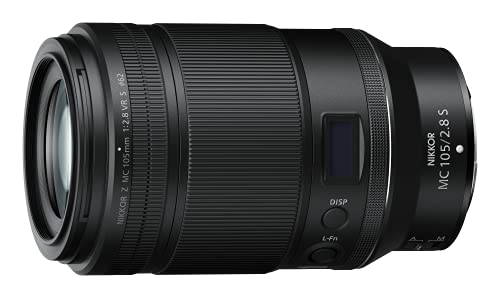
The Nikon Z 105mm is widely considered one of the sharpest macro lenses ever engineered for a mirrorless system. Its autofocus is exceptionally snappy for a macro lens, which is a massive advantage when tracking a moving subject like a mantis shrimp across a sandy bottom. The inclusion of an OLED display on the lens barrel allows you to check your focus distance and aperture settings at a glance, even in the dim light of a deep reef.
If you are a Nikon Z-series user, there is simply no reason to look elsewhere. The weather sealing is top-tier, and the lens’s ability to handle high-contrast lighting is impressive. It is an investment, but it is the definitive choice for those who want to push the boundaries of detail in their macro work.
Sony FE 90mm f/2.8 Macro G OSS Optical Quality

Sony’s 90mm G lens is a favorite for its intuitive focus clutch mechanism, which lets you snap between auto and manual focus with a simple push-pull motion. This is vital when you are fighting current and need to make micro-adjustments to your focus point on the fly. The optical quality is buttery smooth, producing a beautiful "bokeh" that makes your tiny subjects pop against a clean, blurred background.
This lens is perfect for the photographer who appreciates a hybrid approach to focusing. It is incredibly reliable and produces a very pleasing color rendition that needs little post-processing. If you shoot Sony, this lens provides a perfect balance of speed and optical performance that rarely disappoints.
Sigma 105mm f/2.8 DG DN Macro Art for Underwater

The Sigma Art series has built a reputation for delivering "pro-level" optics at a more accessible price point, and the 105mm DG DN is no exception. It is razor-sharp and features a very robust build quality that stands up well to the rigors of frequent travel and boat deck life. The manual focus ring is nicely weighted, making it a joy to use when you need to dial in focus manually on a static subject.
This lens is ideal for those who want top-tier sharpness without the "brand-name" price tag. It is slightly larger than some competitors, so verify your port compatibility before purchasing. If you prioritize value and build quality, this lens is a serious contender that holds its own against any first-party glass.
Laowa 100mm f/2.8 2X Ultra Macro Underwater Use

The Laowa 100mm is a specialty tool for the photographer who wants to see beyond 1:1 magnification. With its 2x magnification capability, you can capture details that are literally invisible to the naked eye, such as the individual compound eyes of a tiny shrimp. It is a manual-focus-only lens, which requires a bit more patience and steady hands, but the reward is a level of detail that standard macro lenses simply cannot match.
This lens is not for the beginner, but it is essential for the macro enthusiast who has mastered standard shots and wants to level up. It requires a steady hand and a good focus light to get the most out of it. If you are chasing extreme detail and don’t mind the manual focus workflow, this lens is a game-changer.
Panasonic Lumix G Macro 30mm f/2.8 Lens Review
The Panasonic 30mm is the most compact and affordable macro lens on this list, making it an excellent entry point for underwater photography. While it doesn’t have the reach of the 60mm or 100mm options, it is incredibly sharp and focuses very quickly. Its small size makes it a breeze to travel with, and it fits into almost any small-form-factor housing.
This lens is perfect for the casual shooter who wants to capture small creatures without lugging around a massive, heavy rig. It is a fantastic tool for learning the ropes of macro composition. If you value portability above all else, this is the lens that will actually make it into your gear bag on every single dive.
Choosing Underwater Ports for Macro Photography
The port you choose is just as important as the lens itself because it dictates the quality of light and the clarity of your image. For macro photography, a flat port is generally preferred over a dome port because it avoids the distortion that occurs at the edges of a curved glass surface. Always ensure that your port is large enough to accommodate the lens’s extension, especially if you are using a lens that physically grows during focusing.
Consider these factors when selecting your port:
- Material: Optical glass is more scratch-resistant and provides better clarity than acrylic.
- Extension Rings: Ensure you have the correct extension rings to position the lens perfectly within the port.
- Maintenance: Always inspect the O-rings on your port before every dive to prevent catastrophic flooding.
Essential Lighting Tips for Tiny Marine Life
Macro photography underwater is 90% about lighting, as you are often working with very small apertures to keep your subject in focus. Using a pair of strobe arms allows you to position your light sources at wide angles, which helps reveal the texture of your subject and prevents "flat" looking images. If you are using video lights, make sure they have a high CRI (Color Rendering Index) to ensure the colors of the reef are represented accurately.
Don’t be afraid to experiment with backlighting or side-lighting to create drama. A snoot—a small tube attached to your strobe—can help you isolate your subject by creating a tight beam of light, effectively blacking out the background. This technique is highly effective for making tiny creatures stand out in a busy environment.
Proper Lens Maintenance After Saltwater Dives
Saltwater is the enemy of precision optics, so your post-dive routine is critical to the longevity of your gear. After every dive, soak your entire housing in a fresh water tank for at least 20 minutes to dissolve salt crystals that could seize your dials or buttons. Never use a high-pressure hose to rinse your gear, as this can force water past seals.
Once your gear is dry, remove the lens and store it in a cool, dry place with a desiccant pack. Periodically check the lens mount for any signs of corrosion or grit. Taking these simple steps will ensure your expensive glass stays in pristine condition for years of underwater exploration.
Mastering underwater macro photography is a journey of patience, precision, and the right equipment. By selecting a lens that matches your shooting style and maintaining your gear with care, you open up a hidden world of wonder beneath the waves. Now, get out there, respect the reef, and start capturing the tiny details that most people swim right past.
