

7 Best Dive Booties For Fin Comfort For Cold Water Dives
Stay warm and comfortable underwater. Explore our top 7 dive booties designed for superior insulation and a perfect fin fit during cold-water expeditions.
Nothing ruins a perfect cold-water dive faster than the creeping numbness of freezing toes. Your choice of dive booties is the literal foundation of your thermal protection and comfort, bridging the gap between your feet and your fins. Selecting the right pair ensures you stay warm, stable, and focused on the underwater world rather than your discomfort.
Disclosure: As an Amazon Associate, this site earns from qualifying purchases. Thank you!
Why Cold Water Dives Require Specialized Booties
In cold water, heat loss through the extremities happens rapidly, which can lead to reduced dexterity and increased fatigue. Specialized dive booties are designed with thicker neoprene and advanced construction to act as a thermal barrier, trapping a thin layer of water that your body warms up. Without this insulation, your circulation suffers, making it difficult to manage your fins effectively during a dive.
Beyond warmth, these booties provide essential protection against abrasive surfaces like rocky shore entries or sharp coral. They also serve as a critical interface for your fins, preventing chafing and ensuring a secure fit that translates your leg power into efficient propulsion. Investing in quality gear isn’t just about comfort; it’s about maintaining the physical control necessary for safe diving.
Factors for Choosing Your Ideal Dive Bootie Fit
Fit is the most critical factor when selecting a bootie, as a loose fit causes blisters and energy loss, while one that is too tight restricts circulation and actually makes your feet colder. You want a snug, sock-like feel that leaves just enough room for your toes to wiggle. Remember that neoprene compresses at depth, so a boot that feels perfect on the surface might feel slightly different once you reach your target pressure.
Consider the sole thickness and tread pattern based on your typical entry points. If you are diving off a boat, a flexible, low-profile sole is often sufficient and provides a better feel for the fin pocket. However, if you are performing shore entries over jagged rocks or slippery docks, a heavy-duty, vulcanized rubber sole is non-negotiable for both grip and foot protection.
Bare 7mm Arctic Boot: Best for Extreme Cold
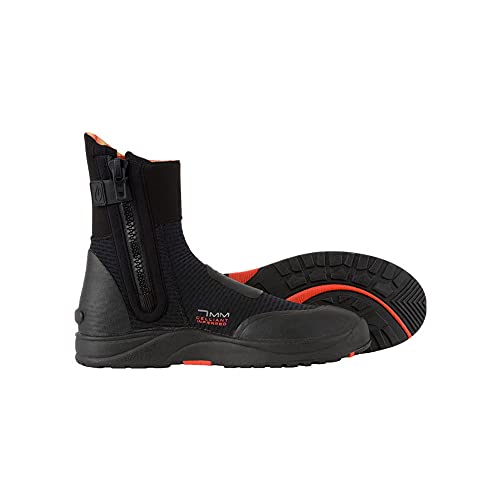

When the thermometer drops, the Bare 7mm Arctic Boot is the gold standard for high-latitude exploration. Its generous thickness provides a massive thermal buffer, while the reinforced toe and heel caps protect against the wear and tear of heavy-duty cold-water gear. The internal moisture-wicking lining is a game-changer, keeping your feet feeling drier and warmer during long surface intervals.
This boot is ideal for divers who frequent frigid lakes or winter ocean dives where standard 5mm gear just doesn’t cut it. If you struggle with perpetually cold feet, this is the investment you need to stay in the water longer. It is a bulky boot, so ensure your fin pockets have enough volume to accommodate the extra material without causing cramping.
Scubapro Delta 5mm Boot: Best for Durability
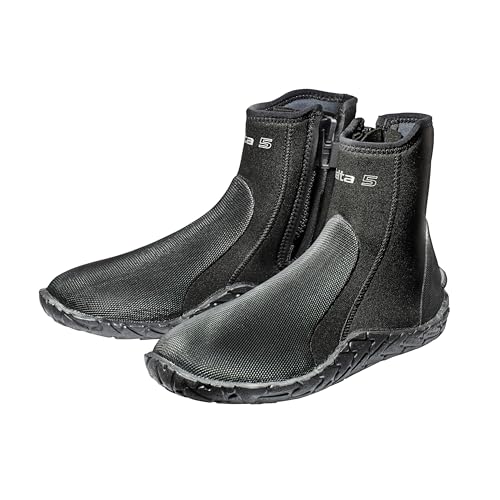
The Scubapro Delta 5mm is a workhorse designed for the diver who treats their gear like a tool rather than a luxury item. Its standout feature is the reinforced, heavy-duty sole that offers incredible arch support and protection on uneven terrain. The material is remarkably resilient, resisting the compression and degradation that often plague cheaper neoprene options over time.
If you are a frequent diver who logs dozens of dives a season, the Delta’s construction will save you money in the long run. It is perfectly suited for rocky shore entries where you need a boot that won’t puncture or slip. While it lacks the extreme insulation of a 7mm boot, its robust design makes it the most reliable choice for high-frequency recreational use.
Fourth Element Pelagic Boot: Best for Comfort

Fourth Element has mastered the art of ergonomics with the Pelagic Boot, focusing on a fit that feels more like a high-end hiking shoe than a piece of dive equipment. The streamlined design minimizes excess bulk, making it incredibly easy to slide into even the most narrow-fitting fins. Its low-profile sole provides excellent tactile feedback, allowing for better fin control and maneuverability.
This boot is the top choice for divers who prioritize comfort and a natural range of motion above all else. It is perfect for boat divers who want a lightweight, flexible option that doesn’t feel like a lead weight on their feet. If you find traditional, stiff booties cumbersome, the Pelagic will feel like a breath of fresh air.
Mares Classic 5mm Boot: Best for Fin Stability

The Mares Classic 5mm is all about the interface between your foot and the fin pocket. Its design features a unique ridge on the heel that prevents your fin strap from slipping, ensuring your propulsion remains efficient throughout the entire dive. The neoprene is supple yet structured, providing a consistent fit that doesn’t shift or bunch up inside your fin.
This boot is the best pick for divers who have struggled with fins slipping or "wobbling" during their kick cycle. By locking the fin securely in place, the Mares Classic allows you to focus on your trim and buoyancy instead of adjusting your gear. It is a straightforward, no-nonsense choice that excels in its primary function: keeping your fins exactly where they belong.
Tusa Imprex 5mm Boot: Best for Ankle Support

The Tusa Imprex 5mm is engineered with an emphasis on stability, featuring a high-cut ankle design that provides excellent support for divers carrying heavy gear. The added height also creates a better seal against your wetsuit, minimizing water exchange and keeping your feet warmer for longer. The sole is segmented to allow for natural foot movement, which helps prevent cramping during long surface swims.
If you have weak ankles or frequently haul heavy double tanks to the water’s edge, this boot provides the extra structural support you need to prevent fatigue. It is a fantastic option for technical-minded divers who value a secure, locked-in feel. While it is slightly more rigid than other options, the stability it provides is unmatched for challenging shore entries.
Henderson Aqua Lock 7mm: Best Thermal Seal

The Henderson Aqua Lock system is a masterclass in thermal engineering, utilizing a proprietary zipper design that creates a near-watertight seal. By minimizing the amount of cold water that can enter the boot, it maintains a consistent temperature throughout the dive. The 7mm neoprene is incredibly plush, offering a level of warmth that rivals drysuit-integrated footwear.
This boot is the ultimate solution for cold-water divers who are tired of the "flush" of freezing water every time they move their feet. It is best suited for those who want the maximum thermal protection possible without moving to a full drysuit system. If you want to stay warm in near-freezing conditions, the Aqua Lock is the most technically advanced option on this list.
Akona Ergonomic 5mm Boot: Best for Mobility
The Akona Ergonomic 5mm is designed with an asymmetrical toe box that mimics the natural shape of the human foot, reducing pressure points and enhancing comfort. This thoughtful shaping allows for a more natural finning motion, which reduces calf fatigue during long dives. It is highly flexible, making it the top pick for photographers or instructors who need to move precisely and frequently.
If your diving style involves a lot of swimming or complex movements, the Akona’s natural geometry will keep you comfortable and agile. It is lightweight enough that it doesn’t feel like a hindrance, yet it provides enough thermal protection for most temperate water conditions. For the diver who values mobility, this is the clear winner.
Essential Care Tips for Your Dive Booties
- Rinse thoroughly: Always use fresh, cool water to rinse your booties inside and out after every dive to remove salt crystals and bacteria.
- Dry in the shade: Avoid direct sunlight, as UV rays break down neoprene and cause it to become brittle and lose its elasticity.
- Store properly: Never store your booties folded or crushed; keep them in a cool, dry place where they can maintain their natural shape.
- Check the zippers: If your boots have zippers, apply a small amount of silicone lubricant occasionally to prevent corrosion and ensure they operate smoothly.
Choosing the right dive bootie is a balance between thermal needs, terrain requirements, and your preferred fin fit. By matching the specific strengths of these models to your typical diving environment, you can eliminate cold-feet distractions and enjoy your time underwater to the fullest. Invest in the right pair today, and your feet will thank you on every single dive this season.
