

6 Best Life Jacket Cleaning Solutions For Mildew To Try
Mildew on life jackets is a safety hazard. Discover 6 effective, safe cleaning solutions to restore your gear and ensure buoyancy remains at peak performance.
Nothing ruins a perfect day on the water faster than pulling your life jacket out of storage only to find it covered in unsightly black mildew spots. These fungi aren’t just an eyesore; they can degrade the integrity of your safety gear and trigger respiratory issues if left unchecked. Keeping your PFD (Personal Flotation Device) clean is a non-negotiable part of responsible water recreation.
Disclosure: As an Amazon Associate, this site earns from qualifying purchases. Thank you!
Understanding Mildew Growth on Life Jackets
Mildew thrives in the dark, damp environments where life jackets are often stored after a long day at the lake. Even if you think a vest is dry, residual moisture trapped within the closed-cell foam or hidden under fabric folds provides the perfect breeding ground for spores. Once these spores take hold, they feed on organic debris—like sweat, sunscreen, or lake water residue—embedded in the nylon fibers.
If left untreated, mildew doesn’t just stay on the surface. It can penetrate the outer shell and begin to break down the stitching or the buoyancy foam itself. This creates a safety hazard, as compromised structural integrity can mean the difference between a reliable vest and one that fails when you need it most.
Preparing Your Life Jacket for Deep Cleaning
Before you reach for any heavy-duty cleaners, start by brushing off loose dirt, dried salt, or surface debris with a soft-bristled brush. This prevents you from rubbing abrasive particles deeper into the fabric during the scrubbing process. Always check the manufacturer’s care label first; some high-end technical vests have specific material requirements that could be damaged by harsh chemicals.
Next, find a well-ventilated area, preferably outdoors, to avoid inhaling spores or chemical fumes. Fill a basin with cool, fresh water to pre-rinse the garment. Ensuring the fabric is damp before applying a cleaning solution helps the product penetrate the fibers more effectively and prevents localized spotting.
303 Multi-Surface Cleaner for Mildew Stains
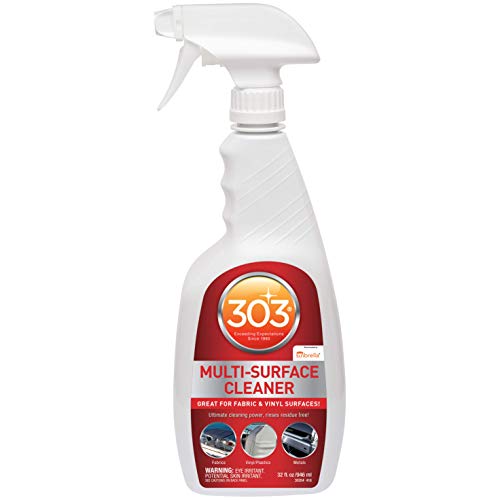

If you are looking for a professional-grade solution that won’t compromise the UV resistance of your gear, 303 Multi-Surface Cleaner is the gold standard. It is specifically formulated to lift stubborn stains without the harshness of bleach, making it ideal for the delicate nylon shells of modern life jackets.
I recommend this for anyone who uses their gear in harsh, high-sun environments where maintaining fabric integrity is a priority. It is incredibly effective at breaking down the organic bonds that mildew uses to anchor itself to the fabric. If you want a product that cleans thoroughly while extending the life of your equipment, this is the one to keep in your garage.
Star brite Mildew Stain Remover Treatment
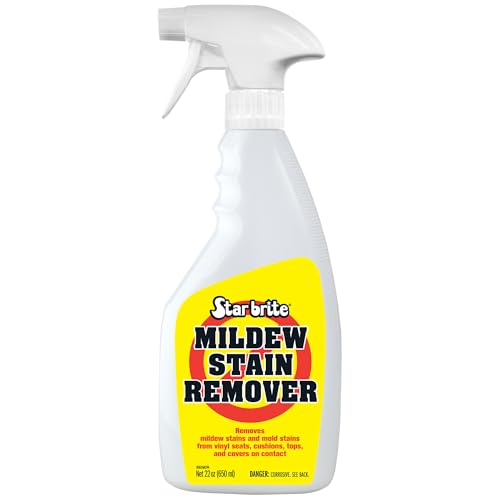
When you are dealing with a severe infestation that other cleaners have failed to touch, Star brite is the heavy hitter you need. It uses a potent formula designed to lift mildew stains on contact, which is a lifesaver for vests that have been neglected in a damp locker for an entire off-season.
However, keep in mind that this is a powerful chemical treatment. You must rinse it thoroughly to ensure no residue remains against your skin during your next swim. If your PFD is heavily stained and you’re worried about the safety of the fabric, this is the most reliable choice to restore its appearance and hygiene.
Simple Green All-Purpose Cleaner Efficiency
This concentrated cleaner effectively removes dirt, grease, and stains from various surfaces. Recognized by the EPA's Safer Choice Program, it can be used full strength for tough messes or diluted for everyday cleaning.

Simple Green is the "old reliable" of the marine world, and for good reason. It is a non-toxic, biodegradable degreaser that works wonders on the body oils and sunscreen residues that typically feed mildew growth on life jackets.
This is the perfect choice for routine maintenance rather than deep-stain removal. It is gentle enough to use frequently without damaging the foam or the nylon shell. If you are environmentally conscious and want a cleaner that does the job without leaving a harsh chemical footprint in your local ecosystem, choose Simple Green.
White Vinegar and Water Solution Mixtures

For those who prefer a natural, low-cost approach, a simple mixture of white vinegar and water is surprisingly effective at killing mildew spores. Mix one part vinegar with three parts water in a spray bottle and apply it liberally to the affected areas. The acidity of the vinegar disrupts the growth cycle of the fungi, preventing them from spreading further.
While it lacks the heavy-duty stain-lifting power of commercial cleaners, it is excellent for light mildew or as a preventative measure. It is a safe, effective, and readily available solution for anyone who wants to avoid commercial chemicals entirely. Just be prepared for the lingering smell of vinegar, which usually dissipates once the vest is fully dry.
Dawn Ultra Dish Soap for Gentle Cleaning
Dawn Ultra dish soap quickly cuts through grease, requiring 50% less scrubbing. This concentrated formula with a refreshing original scent helps you clean more dishes with less liquid.

Sometimes, the best solution is the simplest one you already have under your sink. Dawn Ultra is a powerhouse for breaking down the oils and organic matter that mildew feeds on, and it is gentle enough to use on almost any PFD material.
I suggest using a small amount of dish soap mixed with warm water for light, surface-level mildew spots. It won’t bleach out deep stains, but it will sanitize the fabric and remove the food sources that allow mildew to return. If you are looking for a cost-effective, readily available way to keep your gear fresh between outings, this is your go-to solution.
West Marine Boat Cleaner for Fabric Care
Clean your boat effectively with West Marine Heavy Duty Soap. This safe formula removes scum, grime, and dirt from all surfaces without stripping wax.

West Marine products are engineered specifically for the marine environment, and their fabric cleaner is no exception. It is formulated to be tough on salt, grime, and mildew while remaining safe for the specialized materials used in life jackets.
This is the best option for the serious boater who wants a product designed specifically for their equipment. It balances cleaning power with material safety perfectly, ensuring your PFD stays comfortable and buoyant for years. If you want a "set it and forget it" product that you know is safe for your specific gear, this is the best investment you can make.
Scrubbing Techniques for Nylon and Foam
The key to scrubbing is patience and the right tool. Use a soft-to-medium nylon brush—never a metal wire brush—to work the cleaner into the fabric in a circular motion. Focus on the seams, folds, and buckle attachments, as these are the "hidden" areas where mildew spores thrive.
Avoid scrubbing too aggressively, especially on the mesh or lighter nylon panels, as this can cause pilling or fraying. If the mildew is deep, let the cleaning solution sit for five to ten minutes before scrubbing. This allows the chemistry to do the heavy lifting so your muscles don’t have to.
Proper Drying Methods to Prevent Mildew
Cleaning is only half the battle; the drying process is where you actually prevent the mildew from coming back. Never store a life jacket while it is still damp, and never, ever put it in a clothes dryer, as the high heat can damage the internal buoyancy foam.
Hang your vest in a well-ventilated, shaded area with plenty of airflow. Avoid direct, harsh sunlight for extended periods, as UV rays can eventually weaken the nylon shell. Once the exterior feels dry to the touch, give it a gentle squeeze to ensure no water is trapped inside the foam padding before you move it to your storage locker.
Maintaining your life jacket is a small investment of time that pays off in both safety and longevity. By choosing the right cleaner and mastering the drying process, you ensure your gear remains a reliable companion for every adventure. Keep your equipment clean, stay safe on the water, and enjoy the season ahead.

