

7 Best Camera Lenses For Wildlife Photography Near Water
Capturing wildlife near water requires precision. We analyze seven top lenses that offer the sharpness and reach needed for stunning aquatic animal portraits.
Capturing the fleeting grace of a diving osprey or the rhythmic splash of a breaching whale requires more than just patience; it demands precision gear that can withstand the unique challenges of a marine environment. When you are positioned near the water, your camera lens becomes your most vital tool for bridging the gap between you and the wild. This guide highlights the best optics to ensure your shots are as crisp as the coastal air.
Disclosure: As an Amazon Associate, this site earns from qualifying purchases. Thank you!
Essential Gear for Coastal Wildlife Imaging
When photographing wildlife near the water, the environment is your biggest adversary. Salt spray, humidity, and sand create a hostile ecosystem for precision optics, making weather-sealing a non-negotiable requirement. You aren’t just looking for high-quality glass; you need a lens that acts as a fortress against the elements.
Beyond the glass, stability is your best friend. Because water-based wildlife often requires long focal lengths, even the smallest vibration can ruin a shot. A sturdy tripod or a high-quality monopod is essential for tracking movement across the horizon, especially during the low-light hours of dawn and dusk when wildlife is most active.
Sony FE 200-600mm G OSS: Top Telephoto Choice
Capture stunning telephoto shots with the Sony FE 200-600mm G OSS lens. Enjoy fast, quiet autofocus thanks to the Direct Drive Supersonic Wave Motor and reduced flare with extra-low dispersion glass.


If you are a Sony shooter looking to dominate the shoreline, the 200-600mm G OSS is the gold standard for reach. Its internal zoom mechanism is a game-changer near the water because the lens doesn’t extend when you zoom, significantly reducing the chance of sucking salt-laden air or grit into the barrel.
This lens is built for those who need to track fast-moving subjects like gulls or seals from a distance. The autofocus speed is blistering, and the optical stabilization gives you that extra confidence when shooting handheld on a rocking boat or a shifting beach. If you want a versatile, professional-grade workhorse that handles the rigors of the coast, this is the lens you buy.
Canon RF 100-500mm L IS USM: Sharpness Leader

The Canon RF 100-500mm is the lens for the photographer who refuses to compromise on image quality. The sharpness across the entire zoom range is nothing short of incredible, making it perfect for capturing the intricate textures of feathers or the spray coming off a whale’s fluke.
While it has a slightly shorter reach than the dedicated 600mm primes, its performance in challenging light is where it truly shines. It is compact enough to carry on long treks along the shoreline, yet it maintains the rugged build quality required for professional wildlife work. If you prioritize absolute image clarity and portability, this is your premier choice.
Nikon NIKKOR Z 400mm f/4.5 VR S: Lightweight Pick
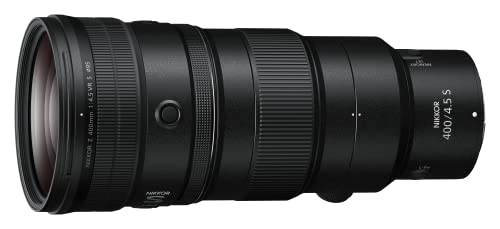
Sometimes, the best wildlife shots happen after a long hike to a remote cove, and that is where the Nikon Z 400mm f/4.5 VR S excels. It is remarkably lightweight for a prime lens, allowing you to react instantly to wildlife without the fatigue associated with massive telephoto zooms.
The f/4.5 aperture provides a beautiful, creamy background blur that makes your subject pop against the chaotic surface of the water. Because it is a prime lens, the optical performance is consistent and reliable. This lens is perfect for the photographer who values agility and wants a high-end, professional look without the back-breaking weight.
Sigma 150-600mm Contemporary: Best Value Lens

The Sigma 150-600mm Contemporary is the definitive choice for those entering the world of wildlife photography who don’t want to spend a fortune. It offers a massive focal range that covers everything from wide coastal vistas to tight portraits of distant shorebirds.
While it may not have the same weather-sealing pedigree as more expensive lenses, it provides exceptional bang for your buck. It is a solid, capable tool that will get you the shot, provided you take extra care to protect it from direct spray. If you are on a budget but refuse to sacrifice reach, this is the lens that gets you into the game.
Tamron 150-500mm Di III VC VXD: Travel Favorite

The Tamron 150-500mm is a brilliant balance of size and performance for the traveling wildlife enthusiast. Its unique focal range is specifically designed to be compact enough to fit in standard camera bags, making it an ideal companion for coastal trips where you are moving between locations by boat or car.
The autofocus is snappy, and the vibration compensation is highly effective when working in tricky, handheld conditions. It’s a lens that feels balanced on modern mirrorless bodies, ensuring you don’t feel front-heavy while trying to track a moving subject. If you need a travel-friendly lens that doesn’t sacrifice performance, this is the one to pack.
Olympus M.Zuiko 300mm f/4 IS PRO: Micro 4/3 Pro

For those who have embraced the Micro 4/3 system, the Olympus 300mm f/4 IS PRO is a revelation. Because of the sensor crop factor, this lens gives you the equivalent reach of a 600mm lens in a package that feels like a standard telephoto zoom.
The weather-sealing on this lens is legendary, making it perhaps the most resilient option on this list for harsh, salty conditions. It is incredibly sharp and focuses at a surprisingly close distance, which is perfect for capturing small crabs or coastal insects. If you want maximum reach with minimum bulk, this system is hard to beat.
Fujifilm XF 100-400mm f/4.5-5.6: APS-C Powerhouse
Fujifilm users have a fantastic option in the XF 100-400mm, which provides the perfect focal range for the APS-C sensor format. It offers a great balance of reach and handling, making it a reliable choice for long days spent waiting for wildlife to emerge from the surf.
The lens features robust construction and excellent image stabilization, which is vital when you are zoomed in to the 400mm mark. It handles color and contrast beautifully, which is essential when shooting against the reflective, high-contrast surface of the ocean. This lens is a fantastic, reliable choice for any Fujifilm shooter serious about their wildlife photography.
Protecting Optics From Salt Spray and Moisture
The number one rule for shooting near water is to treat your gear like it’s allergic to salt. Even if a lens is "weather-sealed," salt spray is corrosive and will eventually find its way into your dials and zoom rings. Always use a high-quality UV filter to protect the front element, and keep a microfiber cloth in a sealed bag to wipe down your lens the moment you finish your session.
Never change lenses in the open air near the ocean. If you must swap a lens, do it inside your camera bag or a sheltered area to prevent salt air from entering your sensor chamber. At the end of the day, a quick wipe with a slightly damp (not wet) cloth helps remove salt residue before it crystallizes and causes damage.
Mastering Wildlife Shots Near Open Water
The secret to great water-based wildlife photography is understanding the interplay between light and reflection. Water acts as a giant mirror, often causing your camera’s light meter to underexpose your subject because the background is so bright. Use exposure compensation to brighten your subject, or shoot in manual mode to ensure the animal is properly lit.
Keep an eye on the horizon line in your viewfinder; nothing ruins a great shot of a dolphin or bird like a tilted, distracting background. Finally, be patient and observe the animal’s behavior before you start firing away. By anticipating where the wildlife is going to surface or land, you move from being a spectator to a true wildlife photographer.
Choosing the right lens is the first step toward turning those fleeting moments on the water into lasting memories. Whether you prioritize the reach of a 600mm zoom or the agility of a lightweight prime, the perfect tool for your coastal adventures is out there. Gear up, respect the environment, and enjoy the incredible perspective that only a lens can provide.
