6 Pollinator Landscaping Ideas for Pools That Keep Bees Safe
Create a poolside garden that helps pollinators while keeping them safe. Explore 6 key ideas on strategic plant choice and creating safe water sources for bees.
There’s nothing worse than seeing a struggling bee in your pool skimmer on a perfect summer day. You want a vibrant, beautiful yard full of life, but you also want a safe, relaxing space for swimming. These two goals can feel like they’re in direct conflict, but they don’t have to be.
Disclosure: As an Amazon Associate, this site earns from qualifying purchases. Thank you!
Balancing Pool Fun and Pollinator Safety
Having a pool doesn’t mean you have to surround it with nothing but concrete and rock. The goal isn’t to eliminate pollinators from your yard; it’s to guide them to safe spaces. Think of your yard in zones: a "human zone" immediately around the pool and a "pollinator zone" further away.
The key is strategic placement. By choosing the right plants and putting them in the right spots, you create clear boundaries. This approach allows you to enjoy a lush, lively garden without turning your pool into an unintentional trap for the very creatures you’re trying to help.
It’s a simple concept that makes a huge difference. You’re essentially creating a flight path for bees and butterflies that directs them toward food and water sources that are safely distanced from your swimming area. This keeps them happy and your swimmers safe from accidental stings.
Create a Bee Bath Away from the Pool Water
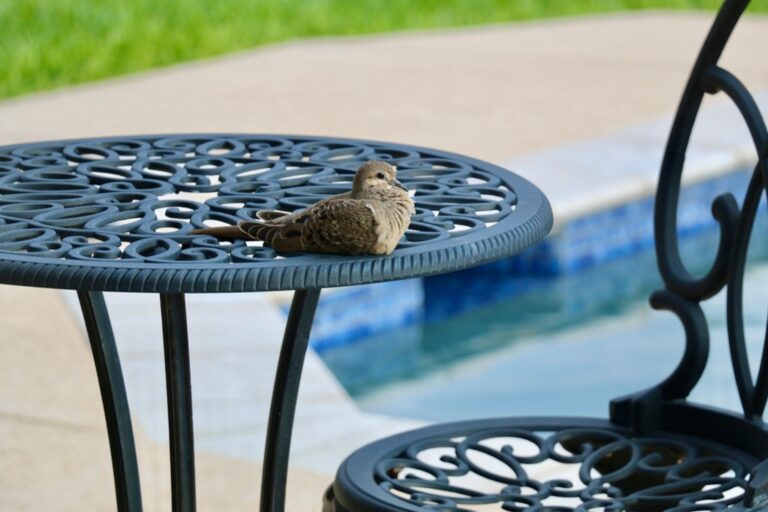
Bees get thirsty, and to them, your big, blue pool looks like the perfect watering hole. Unfortunately, the water’s surface tension and chemicals make it a deadly trap. They land, get stuck, and can’t get out.
You can easily solve this by offering a better alternative. Find a shallow dish or birdbath and fill it with pebbles, marbles, or small stones. Then add just enough water so the tops of the stones remain dry, creating safe landing pads for bees to drink from.
The most important step is placement. Put this bee bath in a quiet corner of your garden, far away from the pool and any high-traffic walkways. By providing a safe, accessible water source in their preferred zone, you give them no reason to investigate the hazardous expanse of your pool.
Planting a ‘Cracker Jack’ Marigold Border
Marigolds are a classic choice for a reason. They are hardy, vibrant, and excellent at attracting beneficial insects. The ‘Cracker Jack’ variety, with its large, bright orange and yellow blooms, is particularly effective at drawing the attention of pollinators.
Use them to create a dedicated border about 10 to 15 feet away from the pool’s edge. This distance is crucial. It establishes a clear visual and scent-based destination for foraging bees, encouraging them to focus their activity in that area instead of drifting over the water.
This border acts as a beautiful, low-maintenance fence for pollinators. It defines their space, provides them with a rich food source, and keeps the immediate poolside area clear. You get all the benefits of a pollinator-friendly flower without the risk of them getting too close to swimmers.
Place ‘Purple Rooster’ Bee Balm Strategically
Bee balm is a pollinator powerhouse; its name says it all. Plants like ‘Purple Rooster’ (Monarda) are irresistible to bees, hummingbirds, and butterflies. Because it’s so attractive, you have to be extra thoughtful about where you plant it.
This is not a plant for the edge of the pool deck or next to the patio steps. Instead, position it in the back of a garden bed or in a dedicated pollinator garden well away from your main recreational areas. Think of it as an anchor store in a mall—it’s the main attraction that pulls all the "shoppers" to one specific location.
By placing these high-value plants intentionally, you can effectively manage the flow of pollinator traffic in your yard. The bees will make a beeline for the bee balm, bypassing the less interesting (and more dangerous) pool area entirely.
Container Gardens with ‘Blue Fortune’ Hyssop
Container gardening around a pool offers incredible flexibility and control. You can bring color and life to a patio without committing to an in-ground bed right next to the water. ‘Blue Fortune’ Hyssop (Agastache) is a fantastic choice for pots, with tall, purple flower spikes that bees adore.
The key is to use containers to reinforce your zones. Place large pots of hyssop on the far side of your patio or deck, away from the pool’s edge and seating areas. This allows you to enjoy the beauty and the buzz of activity from a comfortable distance.
Using containers also prevents plants from spreading uncontrollably toward walkways. It keeps everything neat, defined, and, most importantly, keeps the bee-attracting flowers out of the immediate splash zone. If you find a particular pot is attracting too much traffic, you can simply move it further away.
Planting ‘Elfin’ Thyme Away from Walkways
Flowering ground covers like ‘Elfin’ Thyme can create a beautiful, carpet-like effect. It’s tempting to plant them between pavers on a patio or along a path. Around a pool, however, this is a recipe for painful stings.
Bees love the tiny flowers on creeping thyme, and they won’t be visible to someone walking by in bare feet. When you combine barefoot traffic with low-to-the-ground flowers, accidental stings are almost inevitable. It creates an unnecessary hazard right where you and your family are most vulnerable.
Reserve flowering ground covers for areas with no foot traffic. Use them in rock gardens or as filler in a bed that’s far from the pool. For the immediate poolside walkways and paths, stick to mulch, stone, or plain grass to ensure every step is a safe one.
Avoid Clover and Dandelions in Poolside Grass
Many homeowners are embracing a more natural lawn, allowing clover and dandelions to grow for the benefit of pollinators. While this is a fantastic practice for the environment, it’s a poor choice for the grass immediately surrounding a pool.
A clover-filled lawn is essentially a minefield for barefoot swimmers. Every white or purple flower is a potential landing spot for a bee, creating a high risk of stings right where kids are running and playing. The goal is to make the poolside area a "no-fly zone," and a flowering lawn does the exact opposite.
The solution is a balanced approach. Maintain a 15-20 foot buffer of well-maintained, flower-free turf around your pool deck. Beyond that buffer, feel free to let your lawn grow more naturally. This creates the safe zone you need without sacrificing your entire yard’s ecological value.
Pool Covers and Skimmers: Your Final Defense
Even the best-laid plans can’t prevent every bee from going astray. Your final line of defense is your pool equipment itself. A good pool cover, whether it’s a solar, safety, or automatic one, is the most effective tool for keeping bees out of the water when the pool isn’t in use.
When the pool is open, check your skimmer basket frequently. Many bees that fall in will end up there. If you see them, you can often gently scoop the basket out and tip them onto the grass, where they can dry their wings and fly away.
Consider adding a small wildlife escape ramp, like a FrogLog or similar device, to your pool. This simple, inexpensive tool gives any bee, frog, or other small creature that falls into the water a way to climb out on its own. It’s a small investment that makes a big difference and provides a final safety net for any pollinators that wander too close.
Creating a safe haven for both your family and pollinators is entirely achievable. It’s not about choosing one over the other; it’s about smart design. By thinking in zones and using strategic planting, you can build a beautiful landscape that works in harmony with your pool, ensuring a safe and enjoyable summer for everyone.