6 Pool Circulation System Lifespan Tips That Maximize Performance
Maximize your pool system’s performance and lifespan. Consistent maintenance, from cleaning filters to balancing water, ensures optimal flow and durability.
You walk out to your pool on a hot day, ready for a refreshing dip, only to find the water is hazy and uninviting. The culprit is almost always the same: a circulation system that isn’t doing its job. Your pool’s pump, filter, and plumbing are the unsung heroes of a crystal-clear swim, and keeping them in top shape is the single best investment you can make in your backyard oasis.
Disclosure: As an Amazon Associate, this site earns from qualifying purchases. Thank you!
Why Pool Circulation is Key to a Healthy Swim
Think of your pool’s circulation system as its heart and lungs. The pump is the heart, pushing water through the plumbing "veins," while the filter acts as the lungs, cleaning out impurities. Without constant, effective movement, the water stagnates, chemicals don’t get distributed, and debris settles, creating a perfect breeding ground for algae and bacteria.
A healthy circulation system does more than just keep the water clear; it keeps it safe. Proper flow ensures that sanitizer, like chlorine, reaches every corner of the pool to neutralize contaminants. It also prevents "dead spots" where algae can take hold. When everything works in harmony, your system runs efficiently, saving you money on energy and chemicals while extending the life of your expensive equipment.
Clean Your Pentair IntelliFlo Pump Basket Weekly
The Pentair IntelliFlo VS+SVRS pump delivers energy savings with programmable speeds. Its integrated Safety Vacuum Release System and easy-access lid enhance safety and maintenance.
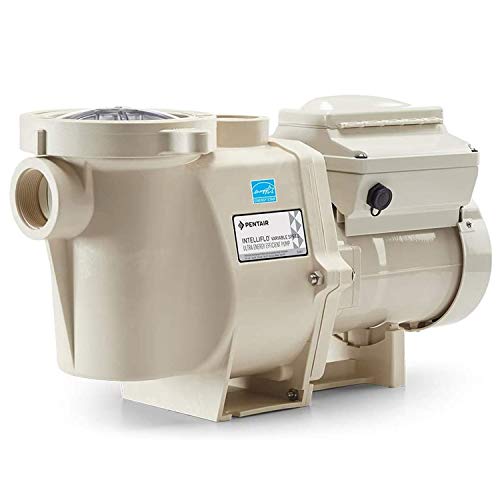
The pump is the workhorse of your entire system, and its first line of defense is a small, simple basket. This basket inside your pump—whether it’s a high-efficiency model like the Pentair IntelliFlo or a standard single-speed—is designed to catch larger debris like leaves, twigs, and acorns before they can reach and damage the pump’s impeller. A clogged basket is a recipe for disaster.
When that basket gets full, it chokes off the flow of water to the pump. This forces the motor to work much harder, causing it to overheat and drastically shortening its lifespan. In the worst-case scenario, a completely blocked basket can starve the pump of water, causing it to run dry and burn out the motor in a matter of minutes. Make it a non-negotiable weekly habit to turn off the pump, open the lid, and empty that basket. After a storm or during heavy leaf fall, check it daily.
Deep Clean Your Hayward Star-Clear Cartridge Filter
Keep your pool crystal clear with the Future Way C1200 filter cartridge. Its trilobal pleated design captures 3x more debris for efficient cleaning, and durable spunbond polyester ensures long-lasting performance.

If the pump is the heart, the filter is the kidneys, and it needs regular cleaning to function. Your filter, such as a common Hayward Star-Clear cartridge model, traps the fine particles that make water cloudy. Over time, those particles build up, clogging the filter media and restricting water flow. This not only reduces cleaning effectiveness but also increases the overall pressure in your system, putting a strain on every component.
Your pool’s pressure gauge is your best friend here. Note the pressure reading when the filter is perfectly clean—this is your baseline. When the gauge reads 8-10 PSI above that clean baseline, it’s time for a cleaning. A simple hosing-off removes the surface-level gunk, but for a true deep clean, you need to do more.
At least twice a season, soak the cartridge overnight in a specially formulated filter cleaning solution. This chemical bath breaks down the stubborn oils, lotions, and mineral deposits that a simple rinse can’t touch. A truly clean filter allows water to pass through with minimal resistance, improving circulation, lowering energy consumption, and extending the life of your pump motor.
Keep Skimmers Clear with a Pool Net Leaf Rake
Easily remove leaves and debris from your pool with this durable 17" leaf rake. The weighted plastic frame helps scoop dirt efficiently, while the universal holder fits standard pool poles (pole not included).
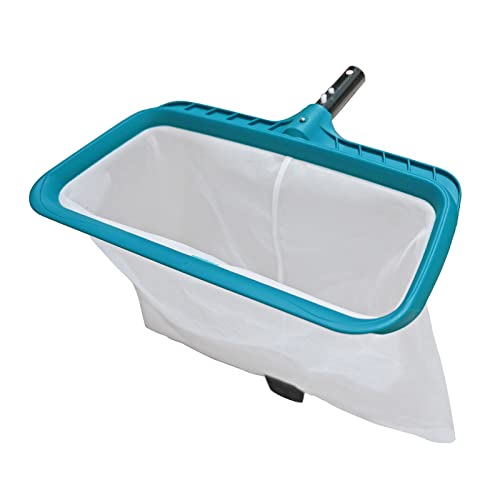
Your skimmers are the gateway to the entire circulation system. They pull water from the pool’s surface, taking leaves, pollen, and floating debris with it. The skimmer basket catches the big stuff, but it can fill up fast, especially if you have trees nearby. A full skimmer basket is just as bad as a full pump basket.
Keep your pool clean with this durable skimmer basket. It fits Pentair U-3 and Hayward SP1070 skimmers, featuring a brass weight for stability and a stainless steel handle with a rubber grip for easy removal.

When the skimmer is clogged, it can’t pull in enough water. This can cause the pump to suck in air, lose its prime, and run dry—a catastrophic failure for the motor. The easiest way to prevent this is with a daily walk-around. Use a good quality pool net leaf rake to skim the surface, guiding floating debris toward the skimmers. Then, simply lift the skimmer lid and empty the basket. It’s a two-minute task that prevents one of the most common and costly equipment failures.
Program Your Jandy AquaLink for Optimal Cycles
Running your pump 24/7 is not only a massive waste of electricity but also puts unnecessary wear and tear on the equipment. The goal is to achieve at least one full "turnover"—circulating the entire volume of your pool’s water through the filter—each day. A modern controller, like a Jandy AquaLink system, gives you precise control to achieve this efficiently.
Instead of one long, continuous run, consider programming two shorter cycles. For example, a four-hour run in the morning and another four-hour run in the late afternoon. This approach keeps the water moving and chemicals distributed throughout the day, preventing the surface from getting scummy between cycles. It also allows the system to rest, which is crucial for motor longevity.
There’s no one-size-fits-all answer for runtime; it depends on your pool size, pump horsepower, and bather load. The key is to run the system long enough for a full turnover without overdoing it. Using an automated controller to manage this for you is the smartest way to balance performance, energy costs, and equipment lifespan.
Check Water Level to Protect Your Pump’s Motor
This might be the simplest tip, but it’s arguably the most critical. Your pool’s water level should always be about halfway up the opening of the skimmer. If the water drops below the skimmer opening, the system will start pulling in air instead of water.
When a pump sucks in air, it loses its "prime" and the motor continues to spin without the cooling and lubrication that water provides. This causes it to heat up incredibly fast, potentially melting seals and destroying the motor. During hot, dry summer months, evaporation can drop the water level surprisingly quickly. After a day with lots of splashing, the level can also be low. Make it a habit to glance at the skimmer every time you walk by the pool and add water with a hose as needed.
Use Anderson Leak Detection Dye to Find Leaks
Quickly locate pool and spa leaks with the Leakmaster dye kit. The high-visibility blue dye and refillable syringe allow for precise application and easy detection of even small leaks.

A slow, hidden leak is a silent killer for your circulation system. It forces your auto-fill system (if you have one) to work constantly, wasting thousands of gallons of water and expensive chemicals. More importantly, if the leak outpaces the fill rate, the water level will drop and endanger your pump motor, as we just discussed.
Finding these small leaks doesn’t always require a professional. A simple tool like Anderson Leak Detection Dye can help you pinpoint the source. With the pump turned off and the water still, release a small amount of the dye near suspected problem areas like the skimmer housing, return jets, light fixtures, or any visible cracks in the plaster. If there’s a leak, you’ll see the dye get pulled into the crack or fitting.
Catching a small leak early can save you from a massive repair bill and prevent the cascading problems that low water levels cause. It’s a proactive step that protects your equipment and your wallet. This isn’t about finding a massive gusher; it’s about identifying the slow drips that add up to big trouble over time.
A Long-Term Strategy for System Longevity
These tips aren’t just a random checklist; they form a cohesive strategy for maintaining the health of your entire circulation system. Each action supports the others. Clearing skimmers prevents the pump basket from clogging, a clean pump basket protects the motor, a clean filter reduces system-wide pressure, and proper programming ensures you aren’t running the equipment into the ground.
By integrating these simple, regular tasks into your routine, you shift from a reactive mindset—fixing things when they break—to a proactive one. This approach not only ensures your water is always clear and ready for a swim but also maximizes the lifespan of every expensive component. A little bit of consistent attention pays huge dividends in performance, reliability, and peace of mind.
Ultimately, your pool’s circulation system is a closed loop where the health of one part directly impacts all the others. Treat it with consistent care, and it will reward you with years of reliable service and a perfectly clear pool.