6 Tips For Managing Crowds At Popular Beaches That Locals Keep Secret
Avoid beach crowds with 6 local secrets. Discover the best times to visit and how to find quiet, secluded spots even at the most popular destinations.
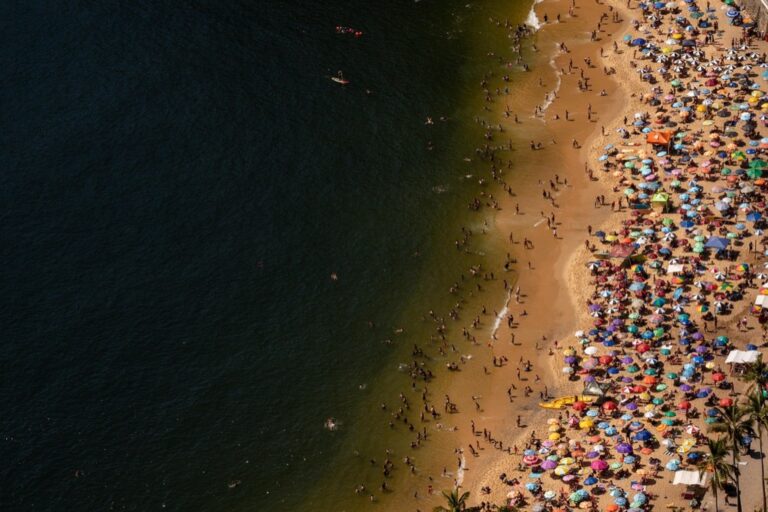
You see the postcard-perfect photo online, but arrive to find a chaotic scene of overlapping towels, screaming kids, and speakers blasting competing playlists. The most popular beaches are popular for a reason—they’re stunning—but that beauty often comes at the cost of peace and quiet. The secret isn’t finding a different beach; it’s learning how to use the same beach differently.
Disclosure: As an Amazon Associate, this site earns from qualifying purchases. Thank you!
Escaping the Crowds at Popular Coastal Spots
There’s a fundamental paradox at the heart of every great beach. Its beauty attracts the masses, and the masses can diminish the very beauty you came to experience. Fighting for a six-foot patch of sand next to the main lifeguard tower isn’t just stressful; it fundamentally changes your relationship with the water.
This isn’t about giving up on iconic spots like La Jolla Shores or South Beach. It’s about reclaiming them. Locals don’t avoid these places; they just have a different playbook for how and when they go. They understand the rhythms of the coast, the subtle shifts in tides, light, and human behavior that create windows of opportunity.
The goal is to trade convenience for solitude. Most people follow the path of least resistance: they arrive mid-day, park in the main lot, and walk straight to the water. By simply sidestepping that one-size-fits-all approach, you can find pockets of tranquility that most visitors will never see. It requires a little more planning, but the payoff is a beach experience that feels personal again.
The "Golden Hours": Early Morning & Late Sun
The vast majority of beachgoers operate on a predictable schedule, typically arriving after 10 a.m. and leaving by 4 p.m. to beat traffic and get to dinner. This creates two "golden hour" windows that are pure magic for anyone trying to avoid the crush. The early morning, from sunrise until about 9 a.m., offers an entirely different world. The light is soft, the water is often glassy and calm, and the only sounds are the waves and the gulls.
The second window is the late afternoon, from 5 p.m. until sunset. As families pack up their gear and the intense heat of the day subsides, a quiet calm settles over the beach. This is the perfect time for a relaxing swim, a long walk, or just watching the sun dip below the horizon. The water is still warm, the parking lots start to empty, and you often feel like you have the place to yourself.
Of course, there’s a tradeoff. You’re sacrificing the peak sunbathing hours. But what you gain is space, silence, and a more intimate connection with the ocean. It’s a simple shift in timing that completely transforms the experience from a crowded ordeal into a peaceful retreat.
Use Google Maps Satellite for Secluded Spots
Your phone’s map app is one of the most powerful crowd-avoidance tools you have, but most people only use it for driving directions. Before you go, switch to the satellite view and start exploring the coastline. Don’t just look at the main beach; zoom in and scan the areas between the official access points.
Look for small coves tucked away behind rocky headlands or long stretches of sand that are a significant walk from the nearest parking lot. You can often spot faint "social trails"—unofficial footpaths worn into the landscape by locals who know the way. These are your breadcrumbs to solitude. A spot that requires a ten-minute walk down the beach will have a tenth of the people of a spot right in front of the stairs.
A critical word of caution: always cross-reference what you see with property line maps and official park boundaries. A hidden cove might be tempting, but it could be inaccessible private property. Also, be realistic about the terrain. That secluded spot might require a scramble down a steep bluff, so make sure you’re prepared for the physical challenge and are wearing appropriate footwear.
Check Magicseaweed for Tides and Swell Data
Surf forecasting apps like Magicseaweed or Surfline are not just for surfers; they are essential tools for any serious beachgoer. The two most important pieces of data for crowd management are the tides and the swell. Understanding how they work together tells you how much usable beach there will be and what kind of crowd to expect.
A dropping tide, heading towards a low, can be your best friend. As the water recedes, it can expose a massive expanse of wet, flat sand, sometimes doubling or tripling the size of the beach. This naturally spreads people out, making even a popular spot feel spacious. Conversely, an extreme high tide can push the water right up to the dunes or seawall, forcing everyone into a narrow, crowded strip. Timing your visit with a low tide is one of the easiest ways to guarantee more personal space.
Swell data is just as important. A large swell with powerful waves will deter most casual swimmers and families, but it will attract a dense crowd of surfers. If you’re looking for a quiet swim, a day with a big swell is a bad bet. A day with a very small, "flat" swell, however, often means calm, lake-like conditions perfect for swimming and paddleboarding, which can draw in the family crowds. Knowing the forecast helps you predict the beach’s "vibe" before you even leave the house.
Your Malo’o Wagon: Hauling Gear to Quiet Zones
The single biggest factor keeping people clustered together is inertia. It’s a hassle to carry chairs, an umbrella, a cooler, towels, and toys a quarter-mile down the sand. This is where a high-quality beach wagon, like the ones from Malo’o with all-terrain wheels, becomes a strategic tool for solitude.
A good wagon isn’t just about convenience; it’s about access. It empowers you to bypass the main scrum and walk to the quieter, more remote sections of the beach without a second thought. While others are struggling with multiple trips or dropping their gear at the first available spot, you can load everything up and roll effortlessly to a place where you can’t hear anyone else’s music.
Think of it as an investment in a better experience. The wagon is the key that unlocks the parts of the beach most people are too burdened to reach. It turns a logistical nightmare into a simple stroll, making the decision to walk another 10 minutes for peace and quiet an easy one. It’s the one piece of gear that directly translates into more space and a better day.
Embrace the "Reverse Weekend" for Quiet Days
This is the most effective, yet often most difficult, strategy: go when everyone else is working. A Tuesday afternoon at the beach is a completely different universe from a Saturday afternoon. The crowds are gone, the parking is plentiful, and the entire pace is slower and more relaxed.
For those with flexible work schedules, remote jobs, or the ability to take a day off mid-week, this is the ultimate secret. You get the best of the beach without any of the associated chaos. This "reverse weekend" approach allows you to enjoy the coast the way it’s meant to be enjoyed—as a wide-open natural space, not a crowded amusement park.
If a full weekday isn’t an option, you can still apply the principle on a smaller scale. A Friday morning before the weekend rush begins can be surprisingly calm. A Monday can also feel quiet, as many people are recovering from the weekend or getting back into their work routine. The goal is to avoid the peak Saturday and Sunday window from 11 a.m. to 4 p.m. at all costs.
Use the SpotHero App for Reserved Parking
The first battle of any beach day is parking. Circling for 45 minutes in a hot car only to find a spot a mile away can drain your energy and goodwill before your feet even touch the sand. This is where parking reservation apps like SpotHero or ParkWhiz change the game entirely.
These apps allow you to find and pre-pay for a guaranteed parking spot in a private lot or garage near your destination. You simply book your time slot, pay in the app, and get a QR code to scan for entry. It removes the single biggest point of stress and uncertainty from the equation.
While others are endlessly circling the public lots, you can drive directly to your reserved spot. This strategy is especially valuable if you can’t follow the "golden hours" tip and have to arrive during peak time. Securing your parking in advance gives you a massive strategic advantage. It saves time, eliminates frustration, and ensures your beach day starts on a positive, relaxed note.
Reclaiming Your Peaceful Beach Experience
Finding your own slice of paradise at a popular beach isn’t about luck; it’s about a deliberate and strategic approach. It’s about thinking one step ahead of the crowd and using simple tools and timing to your advantage. By combining these tactics, you can craft a consistently better experience.
It does require a little more forethought. You have to check the tide charts, scout a location on a map, and maybe invest in gear that makes the extra walk easier. But the return on that small investment of time is immense: space, tranquility, and the feeling of having a world-famous coastline all to yourself.
Ultimately, this is about reclaiming the reason you go to the beach in the first place. It’s not just to get a tan; it’s to connect with the power and peace of the ocean. With a bit of local knowledge, you can push past the noise and find that connection every single time.
Stop letting the crowds dictate your day at the coast. A little planning goes a long way, transforming a potentially stressful outing into the serene escape you were actually looking for. Now you have the playbook—go find your spot.