7 Tips for Educating Swimmers on Algae Safety That Save Lives
Discover 7 essential tips to protect swimmers from dangerous algae blooms. Learn to identify risks, recognize warning signs, and implement safety protocols for pools and natural waters this summer.
You’ve probably seen those murky green patches in swimming pools or natural water bodies – that’s algae and it poses serious health risks to swimmers. The big picture: Algae exposure can cause skin irritation eye infections and respiratory problems making swimmer education absolutely critical for pool operators and lifeguards.
Why it matters: With summer swimming season approaching you need practical strategies to keep swimmers safe while maintaining an enjoyable aquatic environment.
Disclosure: As an Amazon Associate, this site earns from qualifying purchases. Thank you!
Understand the Different Types of Harmful Algae
Recognizing harmful algae isn’t just about spotting green water – different algae types pose unique risks that every swimmer should understand. You’ll encounter varying dangers depending on whether you’re swimming in pools, lakes, or ocean waters.
Blue-Green Algae (Cyanobacteria) Identification
Blue-green algae creates thick, scummy mats on water surfaces that often smell musty or fishy. You’ll typically find these toxic blooms in warm, stagnant freshwater during late summer months. Look for water that appears painted with streaks of blue, green, or reddish colors floating near shorelines.
Red Tide and Marine Algae Recognition
Red tide turns ocean water rusty brown or reddish and produces a distinctive chlorine-like smell along beaches. You’ll notice dead fish washing ashore and experience burning eyes or throat irritation even from shore. These marine algae blooms typically occur in warmer coastal waters during specific seasons.
Freshwater vs. Saltwater Algae Dangers
Freshwater algae like cyanobacteria produce liver toxins that cause severe illness through skin contact or accidental ingestion. Saltwater algae primarily affect your respiratory system through airborne particles, causing coughing and breathing difficulties. Both types require immediate exit from contaminated water, but freshwater algae exposure often demands medical attention.
Recognize Visual Warning Signs of Algae Blooms
Your eyes are your first line of defense against algae-contaminated water. Learning to spot these visual cues can keep you out of dangerous swimming conditions before you even get wet.
Water Discoloration and Clarity Changes
Healthy water maintains consistent color and clarity throughout. Watch for green, blue-green, or reddish-brown tints that weren’t present before. Murky water that suddenly loses visibility beyond 3-4 feet often signals algae growth, especially when combined with an oily sheen on the surface.
Surface Scum and Foam Formation
Algae blooms create distinctive surface formations you can’t miss. Look for thick mats floating on top, foamy patches that don’t dissipate quickly, or scum lines along shorelines and pool edges. These formations often concentrate near calm areas where wind pushes algae together.
Unusual Odors and Smells
Fresh, clean water shouldn’t assault your nose from a distance. Musty, fishy, or sewage-like odors indicate algae decomposition and potential toxin release. If you can smell the water before entering, it’s too contaminated for safe swimming regardless of how clear it might appear.
Educate About Health Risks and Symptoms
Teaching swimmers about algae-related health risks creates an essential safety foundation. Clear symptom recognition helps swimmers respond quickly when exposure occurs.
Achieve a flawless, semi-matte complexion with e.l.f. Flawless Satin Foundation. This lightweight, vegan formula provides medium coverage that blends seamlessly to improve skin tone and texture.


Skin and Eye Irritation Effects
Algae exposure typically causes immediate skin burning and redness within hours of contact. Your eyes may develop painful irritation, excessive tearing, and blurred vision that persists for days. Swimmers often mistake these symptoms for chlorine sensitivity, delaying proper treatment and prolonging discomfort unnecessarily.
Respiratory Problems from Inhalation
Protect yourself from harmful particles with this reusable half-face respirator. Featuring a comfortable, adjustable silicone seal and a double filtration system, it effectively blocks 90% of organic vapors, dust, and pollen.

Breathing algae toxins triggers coughing fits, throat burning, and chest tightness that worsens with continued exposure. You’ll notice difficulty breathing deeply, especially during physical activity or when wind carries algae particles inland. These respiratory symptoms can escalate to severe asthma-like attacks requiring immediate medical intervention.
Gastrointestinal Issues from Ingestion
Swallowing contaminated water causes nausea, vomiting, and severe diarrhea within 2-4 hours of exposure. Your stomach cramps intensify as toxins affect your digestive system, often accompanied by fever and dehydration. Children face higher risks due to their smaller body weight and tendency to swallow more water while swimming.
Teach Proper Pre-Swimming Water Assessment
Effective water assessment starts before you even reach the water’s edge. Teaching swimmers to evaluate conditions systematically prevents most algae-related incidents.
Visual Inspection Techniques
Train swimmers to scan water surfaces from multiple angles before entering. Look for color changes, surface films, or unusual textures that indicate algae growth. Clear water should maintain consistent transparency – any cloudiness or discoloration warrants immediate caution.
Local Water Quality Report Checking
Most local health departments publish weekly water quality reports during swimming season. Check these reports 24-48 hours before planned swimming activities, especially for natural water bodies. Many areas offer text alerts or mobile apps that provide real-time contamination warnings.
Weather and Environmental Factor Consideration
Hot, stagnant weather conditions create perfect algae breeding environments within 48-72 hours. Recent heavy rainfall can wash agricultural runoff into water bodies, triggering rapid algae blooms. Avoid swimming after extended periods of calm, warm weather without water circulation.
Implement Safe Swimming Practices
Smart swimming habits form your strongest defense against algae exposure. These practical techniques work whether you’re in a backyard pool or natural water body.
Avoiding Swallowing Pool or Natural Water
Keep your mouth closed during all swimming activities, especially when diving or doing underwater work. Algae contamination spreads fastest through ingestion, causing severe gastrointestinal symptoms within hours.
Practice breathing techniques that prevent accidental water intake. Children need constant reminders since they naturally open their mouths while learning strokes.
Immediate Post-Swimming Hygiene Routines
Rinse off immediately after leaving any water source using clean, potable water to remove algae particles from skin and hair. This simple step prevents prolonged contact that leads to irritation.
Shower with soap within 30 minutes of swimming. Pay special attention to areas where swimwear creates tight contact, as trapped moisture promotes algae-related skin problems.
Protective Gear and Equipment Usage
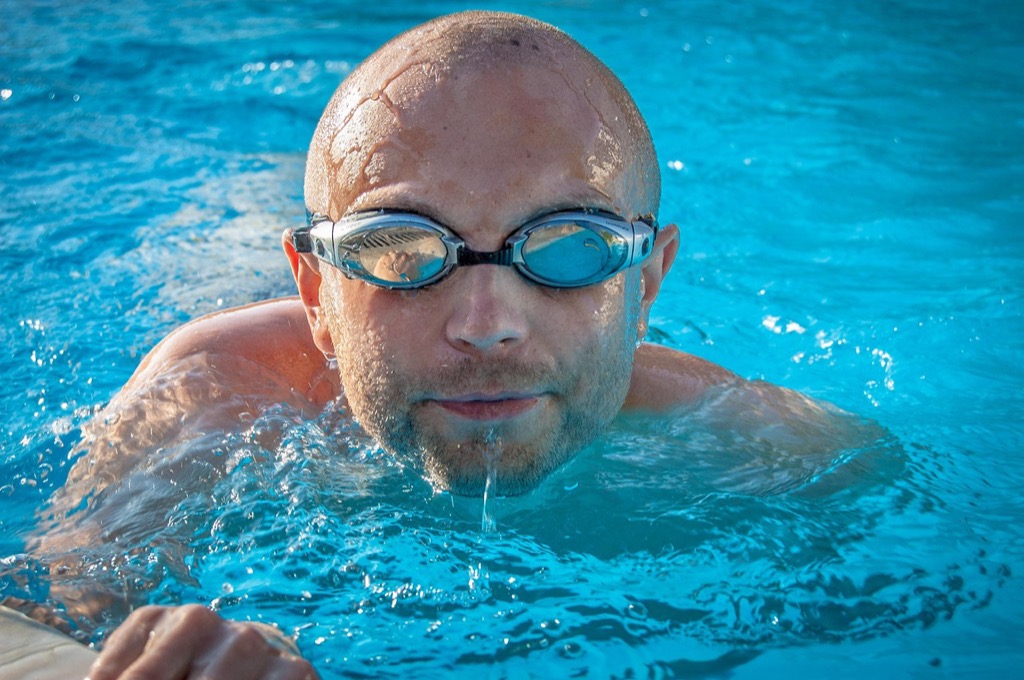
Wear properly fitted goggles to create a barrier between your eyes and potentially contaminated water. Quality goggles prevent the painful eye irritation that algae exposure commonly causes.
Consider waterproof nose clips for children or nervous swimmers who struggle with breath control. These inexpensive tools significantly reduce accidental water ingestion during swimming lessons.
Enjoy comfortable swimming with these soft silicone nose clips. This 14-pack of multi-colored nose plugs effectively prevents water from entering your nose, protecting it from irritation. Suitable for ages 7+ and adults.

Establish Emergency Response Procedures
Creating clear emergency protocols protects swimmers and staff when algae exposure occurs. Having these procedures in place before problems arise ensures quick, effective responses that minimize health impacts.
Immediate Actions for Algae Exposure
Exit the water immediately and avoid any further contact with contaminated areas. Rinse exposed skin and eyes with clean freshwater for at least 15 minutes to remove algae particles. Remove contaminated clothing and wash thoroughly with soap and hot water before wearing again.
When to Seek Medical Attention
Seek immediate medical care if you experience severe respiratory distress, persistent vomiting, or signs of liver toxicity like yellowing skin. Contact healthcare providers within 24 hours for moderate symptoms including prolonged skin irritation, eye pain, or gastrointestinal issues that worsen over time.
Reporting Algae Blooms to Authorities
Contact your local health department within 24 hours of discovering algae blooms in public swimming areas. Report specific location details, water appearance, and any swimmer symptoms to help officials assess contamination levels. Document the bloom with photos and GPS coordinates to assist environmental monitoring efforts.
Create Ongoing Education and Awareness Programs
Successful algae safety education requires consistent reinforcement throughout the swimming season. You’ll find that one-time training sessions aren’t enough to maintain awareness levels among swimmers, staff, and community members.
Regular Safety Briefings and Updates
Schedule weekly safety briefings during peak swimming season to keep algae awareness fresh. Update your team on current water quality conditions and any recent algae incidents in your area. Include brief refresher training on symptom recognition and response procedures during these sessions to maintain competency levels.
Age-Appropriate Educational Materials
Develop visual materials that match different age groups’ learning styles and comprehension levels. Create colorful infographics for children showing algae warning signs through simple pictures and symbols. Design detailed fact sheets for adults that include scientific explanations and health risk data to support informed decision-making.
Community Outreach and Information Sharing
Partner with local health departments to distribute algae safety information through community newsletters and social media channels. Host monthly educational events at community centers where you can demonstrate water assessment techniques and answer questions. Share real-time water quality updates through your facility’s communication channels to keep swimmers informed about current conditions.
Conclusion
Protecting swimmers from algae-related health risks requires your commitment to comprehensive education and proactive safety measures. When you implement these seven tips consistently you’ll create a safer aquatic environment for everyone in your community.
Remember that algae safety isn’t a one-time lesson—it’s an ongoing responsibility that demands regular attention throughout the swimming season. Your efforts to educate swimmers about proper assessment techniques and emergency responses can prevent serious health complications.
By staying vigilant and maintaining open communication about water quality conditions you’re taking essential steps toward safer swimming experiences. The knowledge you share today could make the difference between a pleasant day at the water and a potential health emergency.
Frequently Asked Questions
What are the main health risks of swimming in algae-contaminated water?
Swimming in algae-contaminated water can cause skin irritation, burning sensations, eye infections, and respiratory problems. Freshwater algae may produce liver toxins, while saltwater algae primarily affect breathing. Ingesting contaminated water can lead to gastrointestinal issues including nausea, vomiting, and diarrhea. These symptoms can range from mild discomfort to serious health complications requiring medical attention.
How can I identify harmful algae blooms in water?
Look for changes in water color, particularly green, blue-green, or reddish tints. Water may appear cloudy or have reduced clarity. Check for surface scum, foam, or mat-like formations floating on top. Unusual odors, especially musty or fishy smells, are warning signs. If water looks different from normal or has visible algae growth, avoid swimming until authorities confirm it’s safe.
What’s the difference between freshwater and saltwater algae dangers?
Freshwater algae, particularly blue-green algae, can produce dangerous liver toxins that cause serious internal health issues. Saltwater algae, like red tide, primarily affect the respiratory system causing breathing difficulties and throat irritation. Both types require immediate water exit, but freshwater algae exposure often needs medical evaluation due to potential toxic ingestion, while saltwater algae mainly causes external symptoms.
What should I do if I’m exposed to contaminated water?
Exit the water immediately and rinse off with clean, fresh water as soon as possible. Remove contaminated clothing and wash thoroughly. If you experience symptoms like skin burning, eye irritation, breathing difficulties, or nausea, seek medical attention promptly. Report the incident to local health authorities to help protect other swimmers and document water quality issues.
How can I practice safe swimming to avoid algae exposure?
Never drink or swallow water while swimming, even accidentally. Shower immediately after swimming with soap and clean water. Avoid swimming in areas with visible algae growth, discolored water, or unusual odors. Check local water quality reports before swimming. If you have cuts or open wounds, consider avoiding swimming until they heal to prevent infection.
What emergency steps should I take for severe algae poisoning?
Seek immediate medical attention if experiencing severe symptoms like difficulty breathing, persistent vomiting, or severe skin reactions. Call emergency services if symptoms worsen rapidly. Provide medical professionals with details about the water source and exposure time. Keep contaminated clothing for potential testing. Follow up with healthcare providers as recommended, especially for freshwater algae exposure.
How often should swimmers be educated about algae safety?
Regular safety briefings should occur throughout the swimming season, especially before peak usage periods. Pool operators and lifeguards need ongoing training updates. Community education programs should run during summer months with age-appropriate materials for different groups. Weekly water quality updates and safety reminders help maintain awareness. Consistent education ensures swimmers stay informed about current risks and safety practices.