
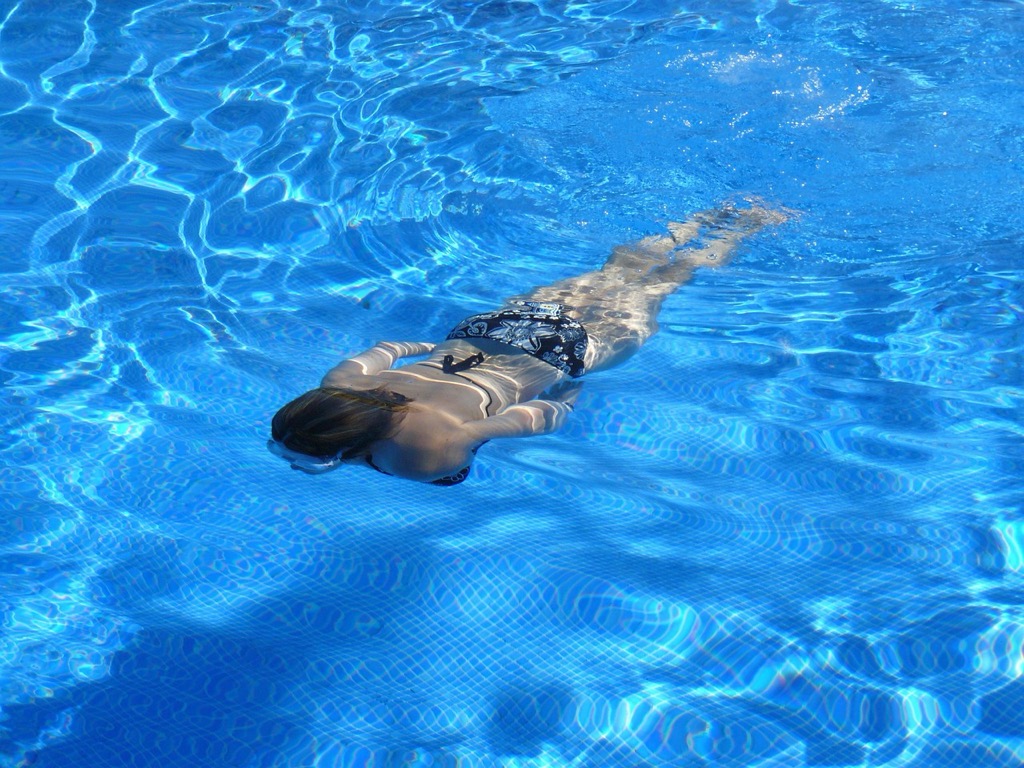
7 Unique Swim Drills for Pro Endurance
Discover 7 unique swim drills to boost endurance fast! From pyramid sets to hypoxic training, these expert techniques will transform your stamina in weeks.
Why it matters: Swimming endurance separates casual pool-goers from serious athletes â and the right drills can transform your stamina in just weeks.
The big picture: Most swimmers stick to basic laps but miss out on targeted exercises that build cardiovascular strength and muscular endurance simultaneously.
What’s next: These seven unique drills will push your limits while keeping your workouts fresh and challenging.
Disclosure: As an Amazon Associate, this site earns from qualifying purchases. Thank you!
Build Aerobic Base With Progressive Distance Swimming
Progressive distance swimming forms the foundation of endurance training by systematically expanding your cardiovascular capacity. You’ll develop the aerobic base that supports all other advanced swimming drills.
Start With Comfortable Pace and Gradually Increase Distance
Begin with distances you can complete without breathing heavily or feeling muscle fatigue. Add 50-100 meters weekly to your longest continuous swim, maintaining smooth technique throughout. Your body adapts best when you challenge it incrementally rather than jumping into exhausting distances that compromise form.
Monitor Heart Rate to Stay in Aerobic Zone
Keep your heart rate between 120-150 beats per minute during progressive distance sets to maximize aerobic benefits. Use a waterproof heart rate monitor or count your pulse for 15 seconds and multiply by four. Swimming above this zone shifts you into anaerobic training, which defeats the purpose of building your aerobic foundation.
Develop Lactate Threshold Through Pyramid Sets
Pyramid sets train your body to process lactate more efficiently while maintaining race pace. This drill pushes you through multiple metabolic zones in a single workout.
Structure Ascending and Descending Distance Intervals
Build pyramids using 50m, 100m, 200m, 400m, then back down to 50m intervals. Take 15-30 seconds rest between each distance to maintain training intensity. Start with shorter pyramids like 50-100-200-100-50m until your lactate tolerance improves over 4-6 weeks.
Focus on Maintaining Consistent Stroke Rate
Count your strokes per length during each pyramid segment to ensure consistent technique. Aim for the same stroke count whether you’re swimming 50m or 400m intervals. Monitor your stroke rate using a tempo trainer set to 60-65 strokes per minute for optimal lactate threshold development.
Enhance Stroke Efficiency With Catch-Up Drill Variations
Catch-up drills revolutionize your stroke mechanics by forcing deliberate timing and extending your reach. You’ll develop better body rotation and hand entry positioning while building the muscle memory essential for efficient freestyle swimming.
Master Single-Arm Catch-Up Technique
Start with one arm completely still while the other completes a full stroke cycle. Keep your stationary arm extended forward in streamline position until the active arm catches up and touches it. This drill forces you to maintain proper body rotation and prevents rushing your stroke tempo, building the foundation for bilateral coordination.
Progress to Bilateral Catch-Up for Full Stroke Integration
Alternate arms in catch-up fashion, ensuring each hand touches the other before starting the next stroke. Maintain a strong kick throughout to keep your body position high in the water. You’ll notice improved stroke length and better timing as both arms work together, creating the smooth, efficient freestyle technique that translates directly to your endurance swimming performance.
Strengthen Core Stability Using Vertical Kicking Drills
Vertical kicking drills transform your core into a powerhouse of stability while eliminating the crutch of forward momentum. You’ll build endurance-specific strength that translates directly to improved stroke efficiency and reduced fatigue during long swims.
Maintain Vertical Position Without Forward Movement
Position yourself in deep water with arms crossed over your chest or extended overhead. Keep your head above water using only your kick to maintain vertical alignment. Focus on engaging your core muscles to prevent tilting forward or backward while maintaining steady breathing rhythm.
Incorporate Different Kick Patterns for Muscle Variation
Alternate between flutter kick, dolphin kick, and breaststroke kick during 30-second intervals. Each kick pattern targets different muscle groups while challenging your core stability from various angles. Switch patterns without resting to maximize cardiovascular benefits and prevent muscular adaptation plateaus.
Improve Breathing Patterns With Hypoxic Training Sets
Your lungs adapt quickly to controlled oxygen restriction, building the respiratory efficiency that separates endurance swimmers from the pack.
Practice Controlled Breathing Restrictions
Controlled breathing restrictions force your respiratory system to work more efficiently with limited oxygen intake. Start with bilateral breathing patterns every 3-5 strokes, then progress to breathing every 7-9 strokes during 50-meter intervals. You’ll maintain stroke technique while challenging your oxygen delivery system, creating adaptation that improves your overall breathing economy during longer sets.
Build CO2 Tolerance Through Extended Breath Holds
Extended breath holds increase your body’s tolerance to carbon dioxide buildup, delaying the urge to breathe during intense swimming efforts. Practice underwater breath holds for 15-30 seconds between swim intervals, gradually extending duration as your comfort improves. This training teaches your body to function efficiently with elevated CO2 levels, reducing breathing panic during race-pace efforts.
Boost Mental Toughness With Negative Split Training
Negative split training transforms swimming endurance by demanding you swim faster as fatigue increases. This drill forces mental resilience while teaching your body to maintain speed despite accumulating lactate.
Plan Each Lap to Be Faster Than the Previous
Structure your negative split sets with 200-400 meter swims where each 50-meter segment progressively increases pace by 2-3 seconds. Start conservatively at 70% effort and finish at 90% race pace intensity.
Monitor your splits using a pace clock or smartwatch to ensure each lap genuinely decreases by your target time increment.
Develop Pacing Strategy for Race Situations
Practice negative splitting during race-pace intervals to simulate competition pressure and energy distribution patterns. Begin 5-7 seconds slower than goal race pace and accelerate through each quarter of the distance.
Execute multiple negative split repetitions with 60-90 second rest intervals to replicate race fatigue while maintaining progressive speed increases.
Maximize Stroke Power Through Resistance Band Swimming
Resistance band swimming transforms your stroke mechanics by forcing your muscles to work harder throughout each pull phase. This drill builds targeted endurance while maintaining proper technique under increased load.
Use Pool-Specific Resistance Equipment
Stretch cords attached to pool edges create consistent resistance throughout your stroke cycle. Choose cords with 15-20 pounds of resistance for endurance training rather than maximum strength development.
Swim parachutes provide variable resistance that increases with your swimming speed. Start with small parachutes during 25-meter intervals and progress to medium sizes for 50-meter sets.
Focus on Pull Phase Strength and Endurance
Emphasize your catch position by maintaining a high elbow throughout the resistance portion of each stroke. The added load forces proper hand positioning and prevents dropped elbows that waste energy.
Maintain stroke rate consistency despite the resistance by focusing on your pull-through timing. Complete 8-10 stroke cycles against resistance then immediately swim 25 meters at race pace to reinforce efficient movement patterns.
Conclusion
These seven unique swim drills will transform your endurance capacity when you commit to consistent practice. You’ll notice improvements in your cardiovascular efficiency and stroke mechanics within just a few weeks of incorporating these techniques into your training routine.
Remember that endurance building requires patience and progressive overload. Start with shorter intervals and gradually increase duration as your body adapts to each drill’s specific demands.
The key to success lies in maintaining proper technique even when fatigue sets in. Focus on quality over quantity and monitor your progress through heart rate zones and stroke count measurements. Your dedication to these specialized drills will separate you from recreational swimmers and elevate your performance to competitive levels.
Frequently Asked Questions
What distinguishes serious swimmers from casual swimmers in terms of endurance?
The key difference lies in structured training approach. Serious swimmers focus on specific endurance drills that challenge both cardiovascular strength and muscular endurance, rather than just swimming basic laps. They systematically build aerobic capacity through progressive training methods and targeted drills designed to improve stamina within weeks.
How should swimmers build their aerobic base effectively?
Start with progressive distance swimming at a comfortable pace, gradually increasing distance by 50-100 meters weekly while maintaining smooth technique. Monitor your heart rate to stay within the aerobic zone of 120-150 beats per minute. Training above this range shifts to anaerobic conditioning, which doesn’t effectively develop endurance.
What are pyramid sets and how do they improve swimming performance?
Pyramid sets develop lactate threshold by allowing swimmers to process lactate more efficiently while maintaining race pace. Structure sets with ascending and descending distances (50m, 100m, 200m, 400m, then back down) with short rest periods. Focus on maintaining consistent stroke rate throughout intervals using a tempo trainer.
How do catch-up drill variations enhance swimming efficiency?
Catch-up drills improve stroke mechanics by promoting deliberate timing and extending reach. The single-arm technique keeps one arm still while the other completes a full stroke cycle, developing proper body rotation. Bilateral catch-up integrates both arms, improving stroke length and timing for smoother, more efficient freestyle technique.
Why is core stability important for swimming endurance?
Core stability eliminates energy waste and improves body position in water. Vertical kicking drills strengthen the core by maintaining vertical position using only kicks, focusing on core engagement to prevent tilting. Incorporating various kick patterns (flutter, dolphin, breaststroke) during 30-second intervals targets different muscle groups effectively.
What is hypoxic training and how does it benefit swimmers?
Hypoxic training enhances respiratory efficiency through controlled oxygen restriction. Start with bilateral breathing every 3-5 strokes, progressing to every 7-9 strokes during 50-meter intervals. This challenges the oxygen delivery system while maintaining stroke technique, ultimately improving breathing efficiency and reducing breathing panic during intense efforts.
How does negative split training improve mental toughness?
Negative split training requires swimming faster as fatigue increases, enhancing mental resilience while teaching the body to maintain speed despite lactate accumulation. Structure sets with 200-400 meter swims, progressively increasing pace by 2-3 seconds for each 50-meter segment to simulate competition pressure.
What are the benefits of resistance band swimming for endurance?
Resistance band swimming maximizes stroke power by forcing muscles to work harder during the pull phase. Using pool-specific equipment like stretch cords and swim parachutes enhances stroke mechanics while maintaining proper hand placement and energy efficiency. Complete resistance drills followed by race-pace swims to reinforce efficient movement patterns.

