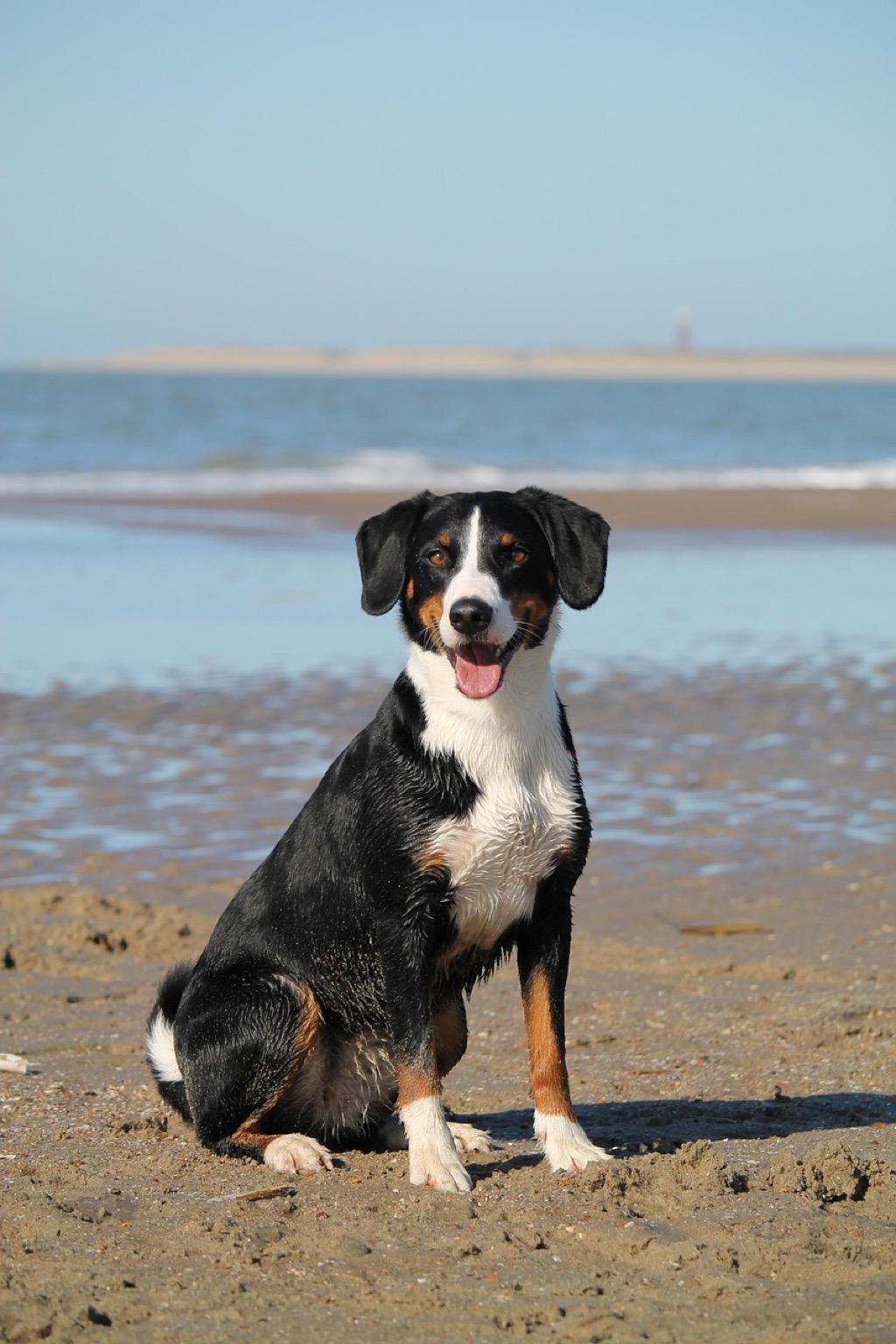
7 Tips for Pet-Friendly Beach Trips That Keep Dogs Safe
Discover 7 essential tips for safe beach trips with your dog! Learn about pet-friendly beaches, safety gear, hydration needs, and proper beach etiquette for memorable coastal adventures.
Why it matters: Beach trips with your furry friend can create unforgettable memories, but poor planning often leads to stressed pets and frustrated owners.
The big picture: Most dog owners want to include their pets in summer adventures, yet many beaches have strict rules and hidden hazards that catch pet parents off guard.
What’s next: These seven essential tips will help you navigate everything from beach regulations to paw protection, ensuring your next coastal getaway is safe and enjoyable for both you and your four-legged companion.
Disclosure: As an Amazon Associate, this site earns from qualifying purchases. Thank you!
Research Pet-Friendly Beaches Before You Go
Not all beaches welcome four-legged visitors, and showing up unprepared can turn your dream day into a stressful situation. Smart planning prevents disappointment and ensures you’ll find the perfect spot where both you and your pet can relax.
Check Local Pet Policies and Restrictions
Municipal beach regulations change seasonally, with many locations banning dogs during peak summer months. Call the local parks department or check official websites before packing your car – some beaches allow pets only during specific hours or restrict access to certain sections year-round.
Verify Leash Requirements and Designated Areas
Even pet-friendly beaches often require leashes in most areas, with off-leash zones limited to specific sections or times. Download maps of designated pet areas beforehand, as these zones might be located away from main beach entrances or popular swimming spots where families gather.
Look for Beaches With Pet Amenities
The best dog beaches offer water stations, waste bag dispensers, and shaded areas for overheated pups. Some locations even feature dog showers for rinsing salt water and sand off your pet before the car ride home – a feature that’ll save your vehicle’s interior.
Pack Essential Safety Gear for Your Pet
Your dog’s beach adventure requires the same safety planning you’d use for any family outing. Smart gear choices prevent emergencies and keep your trip focused on fun rather than first aid.
Bring a Well-Fitted Life Jacket
Even strong swimmers need flotation support in ocean conditions. Waves, currents, and fatigue affect dogs differently than calm lake water. Choose a jacket with a handle on top for easy water rescues and bright colors for visibility. Test the fit at home first – you should fit two fingers under the straps without the jacket shifting when lifted.
Pack Paw Protection for Hot Sand
Sand temperatures can reach 150°F on sunny days, causing serious burns within seconds. Booties work best for extended beach time, but paw wax provides lighter protection for short walks. Check sand temperature with your bare hand – if it’s too hot for you, it’ll burn your dog’s pads. Early morning and late afternoon outings avoid peak heat entirely.
Include a Pet First Aid Kit
Beach injuries happen fast – cuts from shells, jellyfish stings, and salt water irritation are common. Pack wound cleaning solution, gauze pads, medical tape, and tweezers for debris removal. Include a thermometer since overheating symptoms aren’t always obvious. Keep your vet’s emergency number handy, as coastal clinics may be unfamiliar with your pet’s medical history.
Prepare Hydration and Nutrition Supplies
Dehydration hits dogs faster at the beach than anywhere else, and saltwater makes everything worse. Smart preparation keeps your pet comfortable and prevents emergency vet visits.
Pack Fresh Water and Portable Bowls
Bring at least twice the water you think you’ll need – hot sand and ocean air dehydrate dogs quickly. Pack collapsible silicone bowls that won’t tip over in sand and rinse clean easily. Freeze water bottles overnight to keep drinks cool longer and provide relief for hot paws.
Bring Familiar Food and Healthy Treats
Stick with your dog’s regular food and proven treats to avoid stomach upset during beach excitement. Pack high-value rewards like freeze-dried liver for recall training near distractions. Skip new treats entirely – beach days aren’t the time to experiment with your pet’s digestive system.
Plan for Saltwater Safety Precautions
Prevent saltwater poisoning by offering fresh water every 15-20 minutes – dogs naturally want to drink while playing in waves. Watch for excessive drooling, vomiting, or lethargy as early warning signs. Rinse your dog’s mouth with fresh water after swimming sessions to remove salt buildup.
Plan Your Beach Schedule Around Your Pet’s Needs
Timing makes all the difference between a successful beach day and a stressful ordeal for both you and your pet. Smart scheduling prevents overheating emergencies and ensures your furry companion actually enjoys the coastal experience.
Choose Cooler Times of Day for Beach Visits
Early morning and late afternoon visits protect your pet from dangerous midday heat. Plan beach trips between 6-9 AM or after 4 PM when sand temperatures drop below paw-burning levels. Midday sand can reach 150°F, causing immediate burns to sensitive paw pads.
Allow for Regular Shade and Rest Breaks
Schedule breaks every 20-30 minutes to prevent overexertion in coastal heat. Set up a beach umbrella or tent as your home base where your pet can cool down between activities. Dogs lose heat primarily through panting, so they need frequent downtime to regulate their body temperature effectively.
Monitor Your Pet for Signs of Overheating
Watch for excessive panting, drooling, and lethargy as early warning signs of heat stress. Check your pet’s gums – they should be pink, not bright red or pale. If your dog seems unsteady or stops responding to commands, move them to shade immediately and offer small amounts of cool water.
Bring the Right Beach Equipment for Pet Comfort
Your dog’s comfort depends on having the right gear to handle sand, sun, and surf conditions. Quality beach equipment transforms a potentially stressful outing into an enjoyable experience for both you and your pet.
Set Up a Shaded Area With an Umbrella or Tent
Beach umbrellas provide quick shade setup but struggle in windy coastal conditions. Pop-up tents offer better wind resistance and create a secure retreat space for anxious pets. Choose models with ground stakes and sandbags for stability, and position them to block afternoon sun angles.
Pack Comfortable Bedding and Towels
Elevated cots keep your dog off hot sand while providing airflow underneath for cooling. Beach towels work for short visits, but waterproof mats prevent sand from sticking to wet fur. Pack extra towels for post-swim cleanup and consider quick-dry materials that won’t stay damp in beach bags.
Include Toys for Safe Beach Entertainment
Floating toys designed for saltwater won’t deteriorate like regular tennis balls in ocean conditions. Rope toys and frisbees provide exercise while avoiding small parts that pets might swallow with sand. Skip squeaky toys that attract aggressive wildlife and choose bright colors for easy visibility in surf.
Practice Proper Beach Etiquette With Your Pet
Good beach etiquette protects everyone’s enjoyment and keeps beaches welcoming for future pet visits. Respectful behavior prevents conflicts and maintains positive relationships between pet owners and other beachgoers.
Clean Up After Your Pet Immediately
Always bring multiple waste bags and dispose of them properly in designated trash receptacles. Pet waste left on beaches creates health hazards and damages the coastal ecosystem. Pack extra bags beyond what you think you’ll need, as beach visits often involve multiple bathroom breaks due to excitement and exercise.
Keep Your Pet Under Control Around Other Beachgoers
Maintain visual contact with your pet at all times and respect others’ personal space on the beach. Not everyone is comfortable around dogs, and children may react unpredictably to approaching pets. Keep your dog close when passing families, joggers, or other pets, and always ask permission before allowing interactions with strangers.
Respect Wildlife and Protected Areas
Stay clear of nesting areas, wildlife corridors, and dune restoration zones that are often marked with signs or barriers. Beach ecosystems support nesting birds, marine mammals, and protected plant species that can be easily disturbed. Keep your pet on designated paths and away from tide pools, as these fragile environments recover slowly from disturbances.
Prepare for Post-Beach Pet Care
The beach fun doesn’t end when you pack up your umbrella – proper post-beach care prevents health issues and keeps your pet comfortable for days after your coastal adventure.
Rinse Off Salt and Sand Thoroughly
Saltwater and sand create a perfect storm for skin irritation if left on your pet’s coat. Start rinsing at the beach with fresh water if available, focusing on areas where sand collects like paws, belly, and ears. Complete the job at home with a thorough bath using pet-safe shampoo to remove salt residue that can cause itching and hot spots.
Check Paws for Cuts or Irritation
Beach surfaces hide sharp shells, rocks, and debris that can cut or puncture paw pads. Examine each paw carefully for cuts, embedded sand, or swelling between toes. Look for signs of hot sand burns like redness or sensitivity when walking. Clean any minor cuts with saline solution and apply pet-safe antiseptic if needed.
Monitor Your Pet for Any Health Issues
Watch for delayed reactions that can appear hours after beach exposure. Excessive drooling, vomiting, or diarrhea may indicate saltwater ingestion, while persistent panting or lethargy could signal overheating. Check ears for trapped water or sand that can lead to infections. Contact your vet if symptoms persist or worsen within 24 hours.
Conclusion
Taking your furry friend to the beach doesn’t have to be overwhelming when you’re properly prepared. With the right planning research and equipment you’ll create memorable experiences while keeping your pet safe and comfortable.
Remember that every dog is different so pay attention to your pet’s individual needs and comfort level. Start with shorter beach visits to gauge how well your dog adapts to the coastal environment.
The key to successful pet-friendly beach trips lies in preparation respect for others and vigilant care. When you follow these guidelines you’ll be able to enjoy countless sunny days by the shore with your beloved companion creating lasting memories together.
Frequently Asked Questions
Can I bring my dog to any beach?
No, not all beaches allow dogs. Many beaches have strict regulations or seasonal restrictions, especially during peak summer months. Some beaches ban dogs entirely, while others designate specific areas or require leashes. Always research pet-friendly beaches in advance and check current local policies to avoid disappointment.
What safety gear should I pack for my dog at the beach?
Essential safety gear includes a well-fitted life jacket, paw protection (booties or paw wax), a pet first aid kit, and plenty of fresh water. Even strong swimmers can struggle with ocean conditions, and hot sand can burn paw pads. Keep your vet’s emergency contact readily available.
How much water should I bring for my dog?
Bring at least twice the amount of water you think you’ll need. Dogs dehydrate quickly in hot beach conditions, especially with saltwater exposure. Pack portable, easy-to-clean bowls and offer fresh water regularly to prevent saltwater poisoning and overheating.
What’s the best time to visit the beach with my dog?
Visit during cooler parts of the day, such as early morning or late afternoon. Avoid dangerous midday heat that can cause overheating and paw burns from hot sand. Plan regular shade breaks and monitor your pet for signs of heat stress like excessive panting.
What beach equipment do I need for my dog’s comfort?
Set up a shaded area with an umbrella or pop-up tent for sun protection. Bring elevated cots or waterproof mats to keep dogs off hot sand. Pack safe floating toys and rope toys for entertainment, but avoid squeaky toys that might attract wildlife.
How should I practice proper beach etiquette with my dog?
Clean up after your pet immediately with multiple waste bags and dispose of them properly. Keep your dog under control around other beachgoers, maintain visual contact, and respect personal space. Stay away from wildlife nesting sites and protected ecosystems.
What post-beach care does my dog need?
Rinse off salt and sand thoroughly, paying attention to areas where debris collects. Give a complete bath with pet-safe shampoo at home. Check paws for cuts or irritation, and monitor for delayed health issues like excessive drooling or overheating signs for several hours after beach exposure.